Salt Lake City revives foothill trail expansion with new zone plan
After a nearly five-year pause, Salt Lake City unlocked $200,000 and split its foothills into seven zones, reopening the path to new hikes above the city.

Salt Lake City’s foothills are back on the map for trail builders, and the next round is finally being broken into pieces. On April 9, city leaders approved a new zone-by-zone approach for the foothills trail system and allowed Public Lands to spend the remaining $200,000 set aside for construction, ending nearly five years of delay. Tyler Fonarow, the city’s recreational trails program manager, briefed the council as officials moved away from treating roughly 6,000 acres as one giant project.
The shift matters to hikers, runners and mountain bikers who use the urban edge around the Avenues, City Creek Canyon, Upper Avenues, Parleys Canyon and Emigration Canyon. Under the new plan, the foothills will be divided into seven zones, a setup meant to match different terrain, landowners and agreements, including work with the U.S. Forest Service and other state and local partners.
The delay traces back to the first phase of work under the 2020 Foothills Trail System Plan. Salt Lake City says the plan was approved in 2020, then paused after 2020-2021 trail construction drew public concern over slide-offs, erosion and environmental impacts. The city’s evaluation says Phase I built and enhanced about 15 miles of new trails, but reaction ranged from strong support to sharp criticism about quality and impacts.
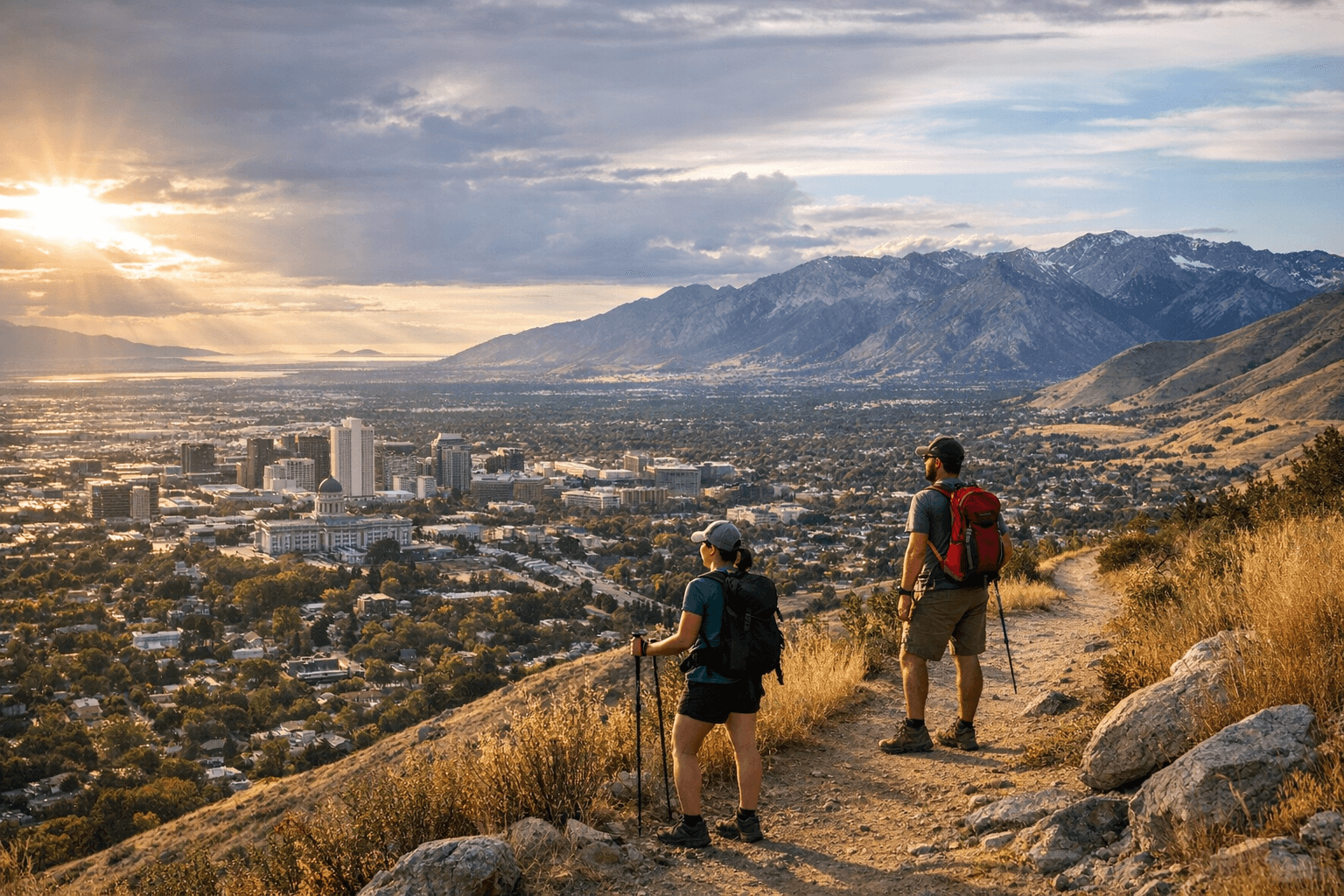
Since then, Public Lands has tried to keep the system moving without repeating those problems. The department launched its first Recreational Trails Team in 2022, added ecological-management staffing in 2023 and completed the evaluation and recommendations in 2024, creating the Foothills Zone Development Process. On Aug. 28, 2024, Public Lands presented those recommendations to the council and won approval to restart planning for East City Creek/Upper Avenues and Twin Peaks/Dry Creek.
Those two areas are still the first test cases, and they are the ones most likely to shape what the next generation of foothill access feels like. The city says the foothills already hold more than 60 miles of natural-surface trail and several access points along nearly 10 miles of the Bonneville Shoreline Trail, so every added connector can change how Salt Lakers reach the hill from neighborhood trailheads. With seven zones to plan, design and fund separately, the expansion is restarting, but the final version will still be built one section at a time, with the same conflicts over erosion, access and hillside protection likely to define the trail experience.
This article was produced by Prism’s automated news system from verified source data, official records, and press releases, then run through automated quality and moderation checks before publishing. The system is built and supervised by the people who set the standards it runs under. Read our full AI policy.
Did this article answer your question?