Searchable Salt Lake County park map helps travelers find quick outdoor stops
A 511-park map turns Salt Lake County from guesswork into a fast, filterable stopover plan for bathrooms, shade, and kid-friendly breaks.
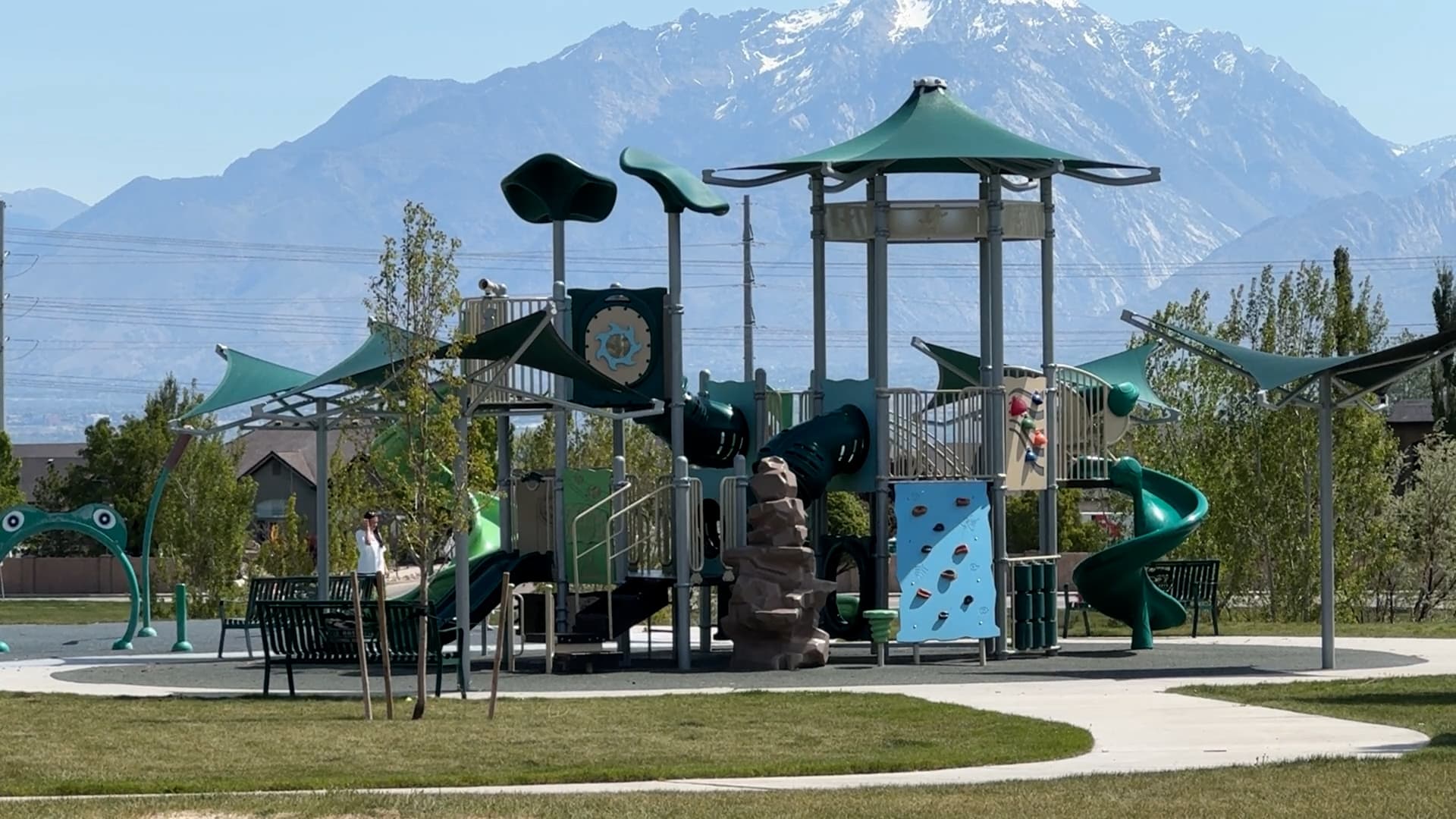
A park map built for the in-between moments
A missed bathroom, a tired kid, or a car full of people who do not want another big hike can change a Salt Lake trip fast. This new searchable park map gives you a quicker answer, letting you find a stop that fits the actual problem in front of you, not just the postcard version of the outing.
Ali Vallarta spent two years visiting all 511 parks in Salt Lake County to build the free, interactive guide. The result is less like a cute local curiosity and more like a field-tested trip tool: something you can use to find a splash pad after a long drive, a short walk near town, or a reliable place to stretch before the next leg of a Southwest trip.
What the map helps you solve
The best part of the map is how practical it is. Instead of forcing you to guess which park might have what you need, it lets you filter by amenities that matter on a travel day: off-leash dog parks, toddler-friendly playgrounds, beach volleyball, splash pads, grills, pickleball courts, and more. It also shows which local government manages each park, so if something is broken or missing, you know who handles maintenance or improvements.
That matters more than it sounds. In Salt Lake County, park responsibility is split among different cities and agencies, and visitors often have no idea whether a space is managed by the county, Salt Lake City, or another local authority. Vallarta’s project works like a park census, making that patchwork visible instead of leaving it buried in local bureaucracy.
For travelers, that translates into simpler decisions. If the afternoon is hot, a splash pad becomes more valuable than a scenic lawn. If you are trying to keep kids moving without committing to a full outing, a playground and bathroom combo can save the day. If you are traveling with a dog, the off-leash filter can keep a quick stop from becoming a hassle.
The numbers that matter most
The map’s biggest surprise is not just how many parks Salt Lake County has. It is how uneven the amenities are once you start looking closely. City Cast Salt Lake’s analysis says only 3% of parks have the full combination of a playground, splash pad, picnic tables, water fountains, and bathrooms, and none of those full-amenity parks are in Salt Lake City.
That same analysis says 69% of Salt Lake County parks do not have year-round restroom access. For anyone mapping a family break, a long drive, or a quick post-work escape, that one number changes how you plan. A park that looks perfect on the map can still be a bad fit if you are counting on a bathroom that is not there in winter or shoulder season.
The inventory also gives a clear sense of what is common and what is rare. City Cast’s park data counts 361 parks with playgrounds, 102 basketball courts, 41 parks with pickleball courts, 28 off-leash dog parks, and 21 splash pads. Those totals make it easier to see why the filters matter so much: the county has plenty of options, but not every option solves the same problem.
Why this helps on a real trip day
This is the kind of tool that fits the gaps between bigger adventures. If you are driving into the Wasatch Front and need a low-effort stop after a long leg, the map helps you find a park that fits the mood instead of burning time searching one by one. If weather changes, altitude catches up with you, or energy drops sooner than planned, the map turns Salt Lake County into a buffer zone rather than a bottleneck.
That is especially useful because about one in four Salt Lake County households is not within a 10-minute walk of a park. The access gap is local, but the pattern is familiar to anyone who travels through growing Western metro areas: not every neighborhood has easy green space nearby, and not every park is built for the same kind of stop.
The broader park-access picture is even bigger than Salt Lake. Trust for Public Land says that across urban areas, more than 100 million people, including 28 million kids, do not have a park within a 10-minute walk of home. Salt Lake County’s map fits into that wider reality by making park access visible, searchable, and immediate.
A civic tool that also works as a trip planner
The map is useful because it does more than describe parks. It also points users toward the right place to file maintenance requests or suggest improvements. That gives it a civic purpose, but the travel value is just as strong: if you know who runs a park, you can act faster when something matters.
There is also a broader public investment story behind the inventory. Salt Lake City voters approved an $85 million parks, trails, and open-space bond in 2022, and Salt Lake City Public Lands says the city’s Parks Division manages 735 acres of park land. Salt Lake County Parks & Recreation says the county relies on voter-approved general obligation bonds for major park projects, and a 2012 regional parks and trails bond authorized up to $47 million for new regional parks and trail work.
Put together, those details explain why the map feels so useful. It is not just a list of places to sit down. It is a practical guide to a park system where amenities, access, and management vary block by block, and where the right stop can make a short stay in Salt Lake smoother, cooler, and a lot less stressful.
How to use it fast
Use the map the way a traveler uses a trailhead sign: for quick decisions, not deep research.
- Start with the problem you are trying to solve, like bathrooms, shade, play space, or dog time.
- Filter for the amenity that matters most, then check who manages the park.
- Pay close attention to restroom access, especially if you are traveling with kids or planning around winter hours.
- Treat the map as a living guide, since the data is human-collected and may contain a few gaps.
- If something looks off, report it so the guide gets better for the next person.
That is what makes this project unusually valuable for Southwest adventure planning. It turns a county full of small parks into a usable network of quick exits, family resets, and weather-proof detours, and it does it with enough detail to save a trip before the trip gets complicated.
This article was produced by Prism’s automated news system from verified source data, official records, and press releases, then run through automated quality and moderation checks before publishing. The system is built and supervised by the people who set the standards it runs under. Read our full AI policy.
Did this article answer your question?