Lake Mead closes strenuous trails as extreme heat arrives early
Lake Mead shut five strenuous trails five days early, and the hot-weather backstop is already in place for May and summer trip plans.
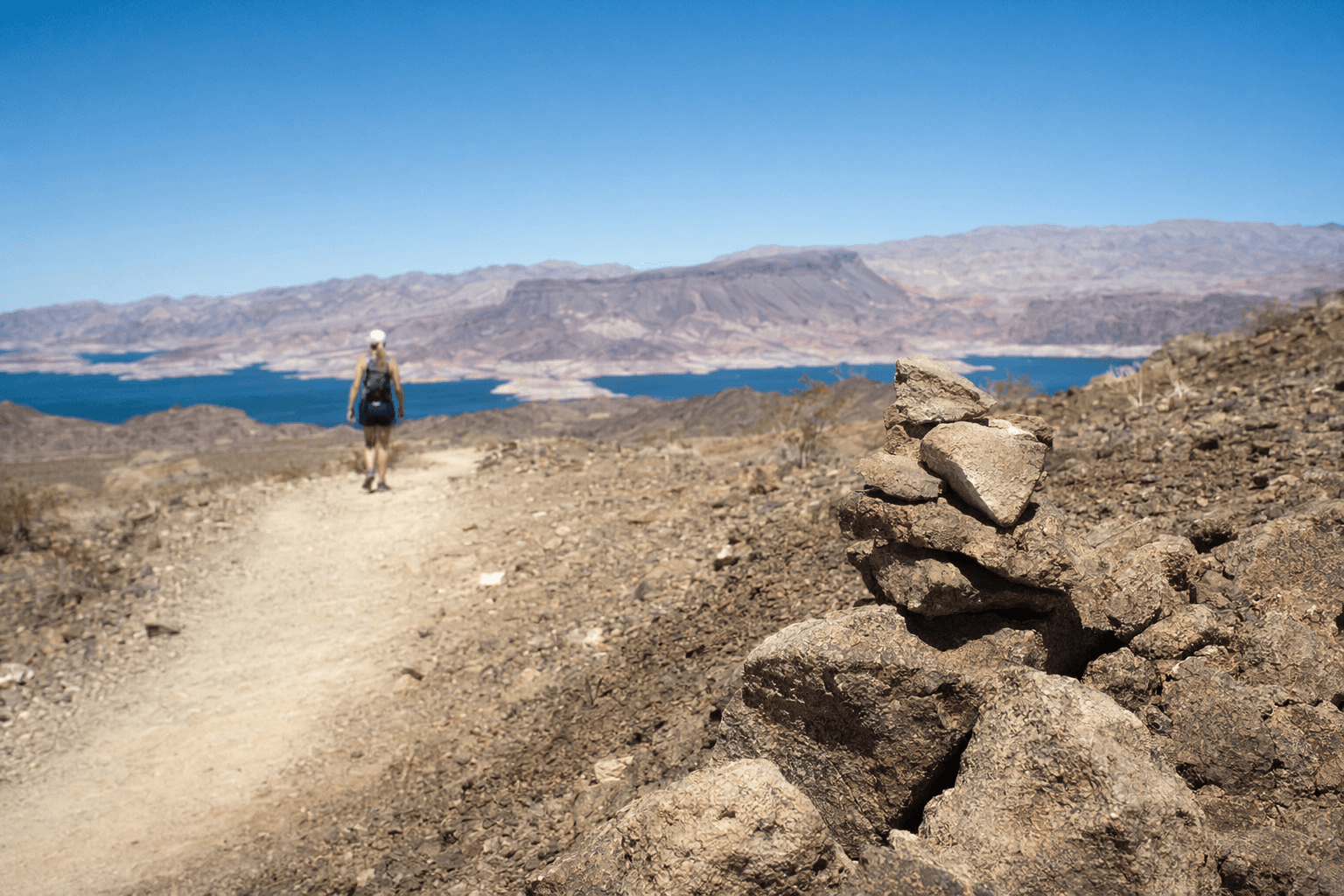
Lake Mead National Recreation Area moved fast on May 8, closing Goldstrike Hot Springs, Arizona Hot Springs, Liberty Bell Arch, White Rock Canyon and Lone Palm trails before the park’s normal May 15 seasonal heat shutdown even began. That early call changes trip plans right now: if you had a canyon hike on the calendar, those land routes are off-limits, and the safer play is to reroute around water access or leave the strenuous desert trail for a cooler window.
The park’s heat policy is blunt. Certain strenuous trails close every year from May 15 through September 30 to protect visitors and first responders, and temporary closures can also kick in outside that window when temperatures are forecast to hit 95 degrees or higher at Willow Beach, Arizona. The practical consequence is that access at Lake Mead is not a simple open-or-closed switch. Arizona Hot Springs, Goldstrike Hot Springs and Lone Palm hot springs remained open by water even while their trail approaches closed, which gives boaters and day-trippers a narrower, but still workable, way to reach some of the area’s signature spots.
That flexibility matters because Lake Mead is huge and unforgiving. The recreation area spans 1.5 million acres, and park guidance says temperatures can vary by 20 to 30 degrees across the park. A trailhead that feels manageable in the morning can turn into a different outing by midday, especially on exposed routes with long climbs, little shade and limited emergency access. For anyone planning a May or summer itinerary, the smarter move is to start early, carry more water than you think you need, shorten the route, and build a backup plan before leaving town.
The heat closures also sit inside a broader access squeeze tied to Lake Mead’s falling water. Park officials said only one of the five motorboat launch ramps in the low-water plan is currently usable, Hemenway Harbor, and even that ramp is limited to shallow-hull vessels of about 24 feet. The other four ramps named in the plan, Callville Bay and Echo Bay in Nevada, and Temple Bar and South Cove in Arizona, have already closed because of declining water levels and topographical constraints. That means boat access, shoreline access and trail access all need to be checked separately, not assumed.
This is not a new overreaction to hot weather. Lake Mead first used temporary emergency closures on Goldstrike Canyon and Arizona Hot Springs in the summers of 2014 and 2015 after incidents climbed. In 2013, those two trails saw 17 incidents, including one fatality, 31 patients and five medical transports. In the first seven months of 2014, incidents jumped to 37, including three fatalities, 35 patients and 13 medical transports. After public input in 2016, the park made the May 15 to September 30 closure permanent. The message is the same now as it was then: in the lower desert, the itinerary has to bend around heat, water and rescue risk, or the trail will do it for you.
This article was produced by Prism’s automated news system from verified source data, official records, and press releases, then run through automated quality and moderation checks before publishing. The system is built and supervised by the people who set the standards it runs under. Read our full AI policy.
Did this article answer your question?