Second fatal fall in a week rocks Zion National Park hikers
Two hikers died in Zion within a week, including a California man in Spry Canyon. The park’s steep ledges, loose stone and flash-flood risk are hitting visitors fast.
Zion National Park was hit with a second fatal fall in the same week, this time in the Spry Canyon area, where a 43-year-old man from California died after an accidental fall. Washington County Sheriff Sgt. Lucas Alfred said deputies responded after a call for help from the park, and by the time officials met on scene, the hiker was dead. Investigators believed he was hiking in Spry Canyon when he fell, and officials said the fall was not a large one. Family members told law enforcement he knew the area, a detail that makes the death especially sobering for anyone who assumes familiarity can compensate for exposure, loose footing or a bad step.
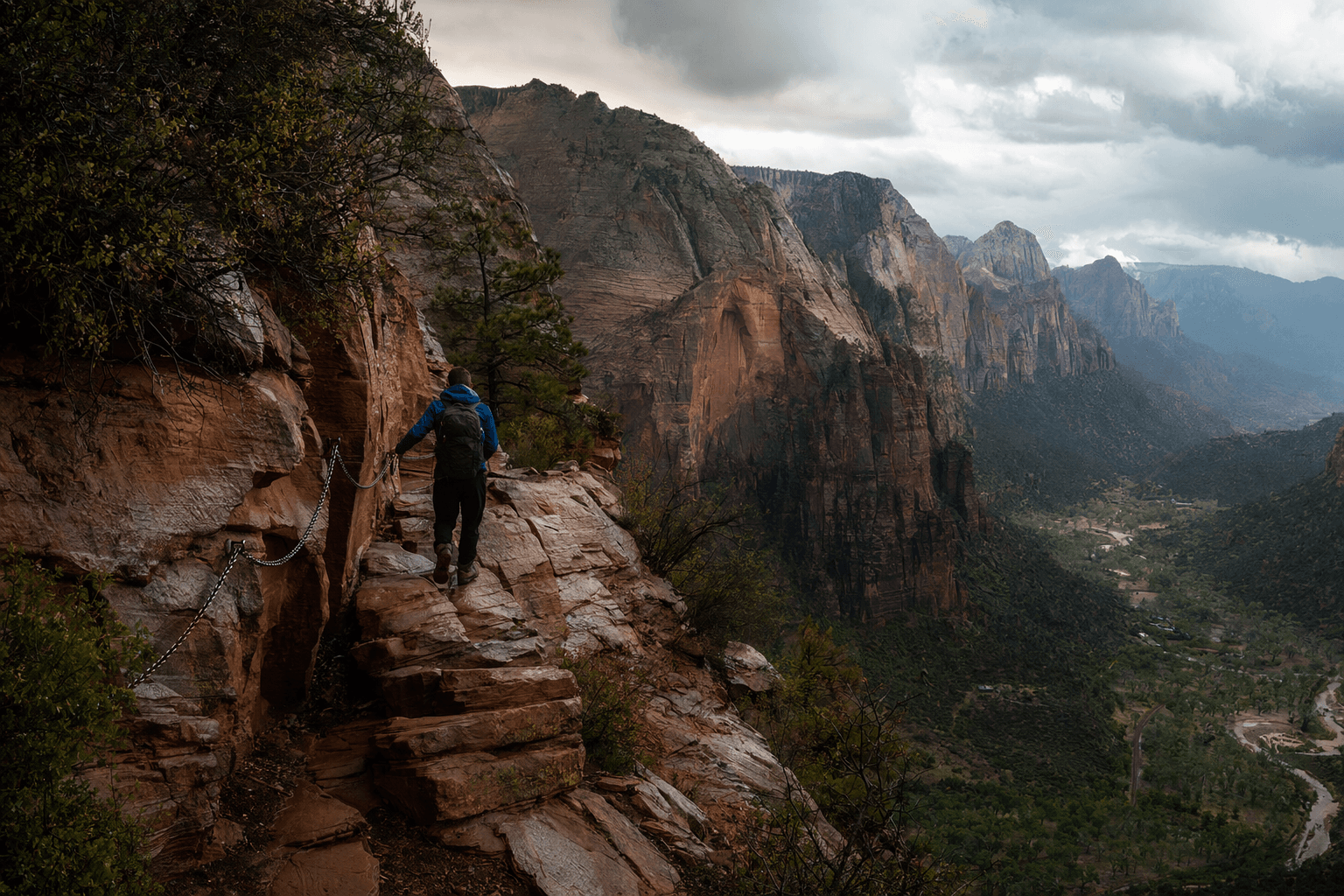
The Spry Canyon fatality came just days after another deadly fall on Angels Landing. The National Park Service identified that victim as Gilberto Ramos, 68, of Laredo, Texas, who fell from the chained section of the trail at about 2 p.m. on April 17. Rangers and local law enforcement responded after visitor reports, and recovery operations ended that evening. The West Rim Trail, including Scout Lookout and Angels Landing, was temporarily closed during the response and recovery. Angels Landing was then closed again from April 20 to April 23 for scheduled trail maintenance, while the West Rim Trail remained open.
The pattern is the warning. Zion’s own safety guidance says rangers respond to hundreds of illness and injury incidents each year, and that falls from cliffs on trails have resulted in death. The park also says loose sand or pebbles on stone are very slippery. That matters in canyon country, where a route can shift from scenic to serious in a few feet. If a hike has chains, ledges, route-finding or scrambling, treat it as technical terrain, not a casual day hike. If you are not comfortable with exposure, a guided trip or a different route is the better call.
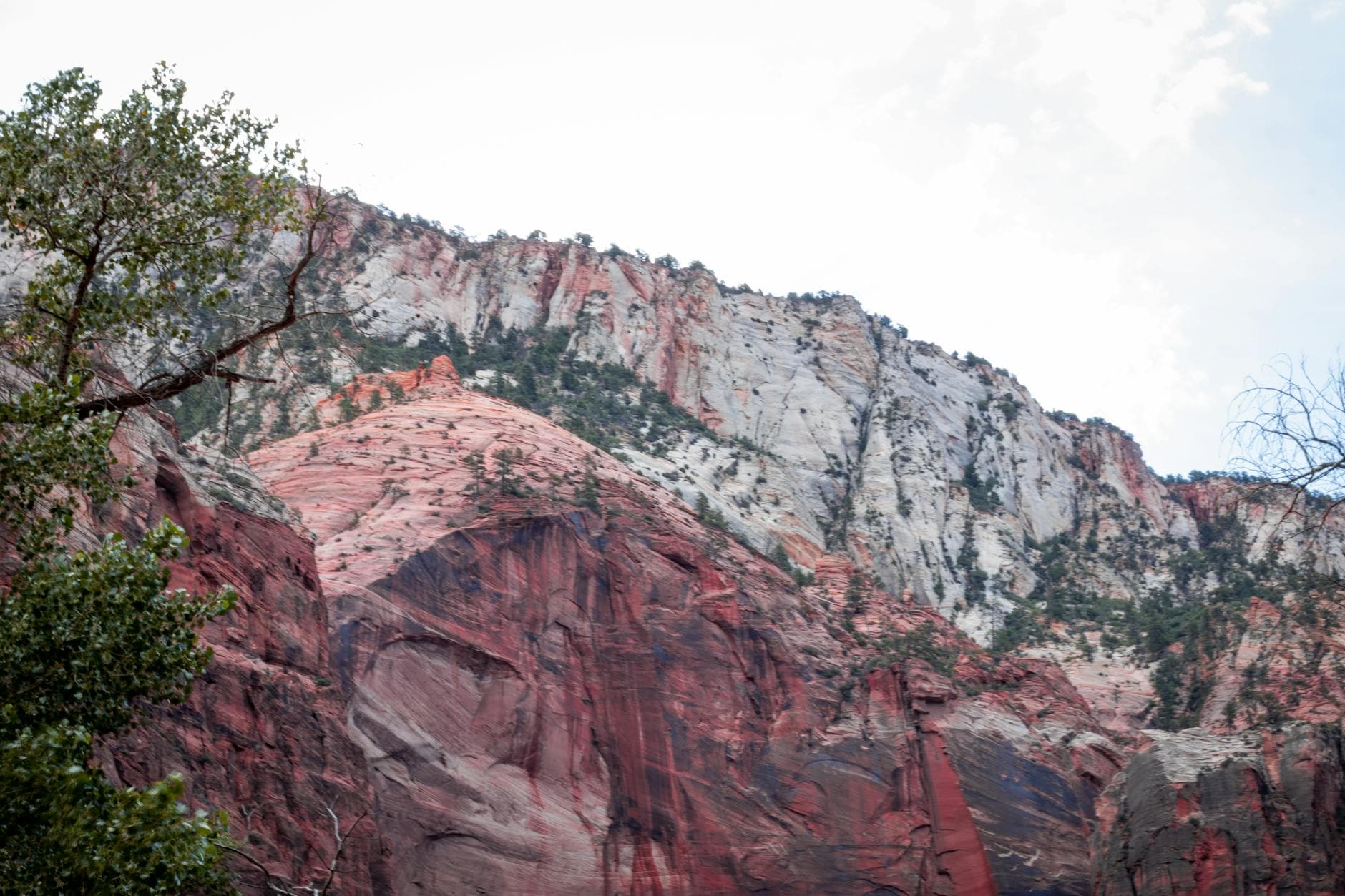
The timing makes the risk harder to ignore. Zion says 65% of its visitors arrive between April and September, the same window when summer daytime temperatures can exceed 100 degrees Fahrenheit and monsoon season runs from July through September. The park also warns that flash floods can strike at any time in Zion and the desert Southwest. In a park that drew 4,946,592 recreational visits in 2024, the nation’s second-highest total, a small mistake can ripple into a major rescue or a fatality before other hikers even realize trouble has started.
Zion has seen that pattern before. In October 2024, a 40-year-old canyoneer died after a 150-foot to 200-foot fall near the exit of Heaps Canyon, and more than 50 rescuers from multiple agencies responded. The message for anyone heading into Zion this season is plain: match the route to your skill, respect exposure, and turn around before a canyon, ledge or chain section asks more than you can safely give.
This article was produced by Prism’s automated news system from verified source data, official records, and press releases, then run through automated quality and moderation checks before publishing. The system is built and supervised by the people who set the standards it runs under. Read our full AI policy.
Did this article answer your question?