Utah hiker video highlights cougar safety in canyons and foothills
A viral Slate Canyon standoff shows why the first 30 seconds matter most when a cougar appears on a Utah trail.
The first 30 seconds decide everything
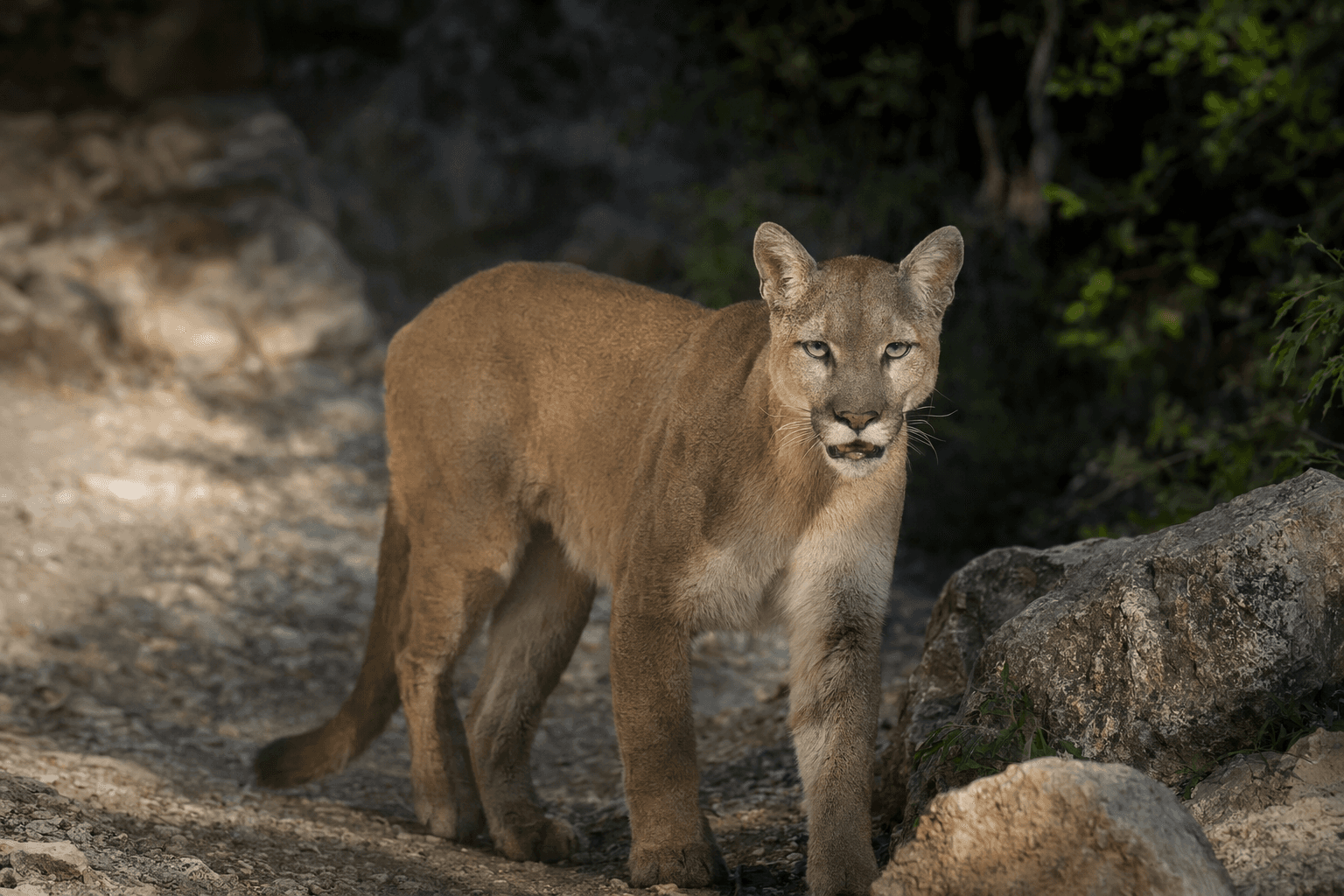
Kyle Burgess’ Slate Canyon encounter is the kind of trail moment that sticks in your body long after the video ends. On October 10, 2020, he came across four cougar cubs near Provo, and when the mother emerged and charged, the standoff stretched for about six minutes without injury. The lesson for anyone heading into Utah’s foothills and canyon trails this spring is not to freeze, bolt, or turn a wildlife sighting into a sprint. It is to stay oriented, stay visible, and use the first half-minute to keep the situation from escalating.
That is the part hikers, trail runners, and families need to rehearse before they ever step onto a shoulder-season trail. Burgess did three things that matter in a real encounter: he kept facing the animal, backed away, and fought the urge to panic. In a landscape where a quiet wash or narrow canyon can suddenly feel very remote, that calm is not passive. It is active self-protection.
Why Utah’s foothills and canyons deserve extra attention
Utah Division of Wildlife Resources officials say cougars can be found throughout the state, especially in foothill and canyon areas, and sometimes even in valleys. Chad Wilson, a game mammals coordinator with the agency, has pointed out that people are most likely to encounter them in places frequented by mule deer, especially around dawn and dusk. That matters because deer are the anchor species here: cougars primarily prey on deer, but they also eat elk, pronghorn, smaller mammals, and occasionally birds.
The result is a very Utah kind of overlap. A trail may feel peaceful to you, but it can also be a hunting corridor to a cougar following deer through the same benches, drainages, and canyon mouths that draw weekend hikers. Wild Aware Utah notes that summer encounters often happen in mountains and canyons, while winter sightings can shift into neighborhoods as deer move lower for food and cougars follow them. With Utah’s growing population and urban expansion, more people are living and recreating where wildlife already moves.
Read the trail differently if you are running, hiking with kids, or bringing a dog
Trail runners need to adjust first. Speed cuts down your ability to hear, notice, and react, which is exactly why Utah wildlife guidance says not to hike or jog alone and to avoid headphones that block your surroundings. If you are moving fast through a canyon, every bend, brushy cut, and shaded pocket is a place to slow down and scan before you enter it.
Families need a different kind of discipline. The advice to travel in groups and keep children together is not just about convenience, it is about keeping the party compact and easy to account for if a cougar appears. Kids should stay close enough that you can gather them fast, and adults should keep voices up without shouting in a way that creates chaos.
Dogs make the situation more complicated, not less. Utah’s guidance says to keep children and dogs together, and the federal advice is even more direct about pets: keep them secure and hike with a companion. A loose dog can turn an encounter into a chase, which is the opposite of what you want. If you hike with a dog in cougar country, short leash, close control, and no wandering off-trail are the standard.
What to do in the moment
If you see a cougar, the response should be deliberate and boring in the best possible way.
1. Stop and face the animal.
2. Make yourself appear larger.
3. Speak firmly.
4. Back away slowly.
5. Do not run.
6. Keep eye contact and keep your group together.
7. If attacked, fight back and protect your head and neck.
That sequence lines up with both Utah guidance and the U.S. Fish and Wildlife Service, which also advises hikers to stand their ground, raise their arms, and throw stones or branches without turning away. The essential point is not to look tough for its own sake. It is to tell the cougar that you are aware, not prey, and that you are not going to give it the sudden movement it is built to exploit.
What you should not do is just as important. Do not sprint. Do not scatter your group. Do not put your back to the animal while retreating. Do not let headphones or a podcast wipe out the sound of the trail around you. And do not mistake a cougar standing off as a reason to rush the exit. Burgess’ video is powerful because it shows how much can be accomplished by staying composed long enough to let the animal lose interest.
Why sightings feel more common now
Wild Aware Utah says part of the increase in reported wildlife encounters comes from Utah’s expanding human footprint, with more homes pushing into the same foothill and canyon habitat wildlife has always used. Another reason is visibility. Doorbell and security cameras now catch animals that once would have crossed a yard or trailhead without anyone ever knowing.
That is why a cougar sighting does not necessarily mean the animals are suddenly new to an area. It often means people are sharing more of the same terrain, and more of the movement is being recorded. Wild Aware Utah also notes that cougars have been a protected wildlife species in Utah since 1967, a reminder that this is a long-standing part of the state’s landscape, not a one-season headline.
How Utah manages cougars beyond the trailhead
There is a management story behind the safety advice, and it is worth knowing if you spend time in Utah’s backcountry. A state law that took effect May 3, 2023 allows a person with a hunting license to hunt or trap a cougar from January 1 to December 31, replacing the earlier seasonal framework. Utah Division of Wildlife Resources materials also show that the 2021-22 hunting season ran from November 3, 2021 to June 30, 2022 and covered 53 cougar hunting units statewide, including 10 limited-entry units and 43 harvest-objective units.
Recent harvest data underscores that cougar management is active across the state. A 2024 Utah Division of Wildlife Resources presentation lists statewide cougar harvest totals of 415 in 2019-20, 435 in 2020-21, 406 in 2021-22, 427 in 2022-23, and 430 in 2023-24. Since the 2023 law change, the same presentation says 21 hunters killed 2 cougars each, 5 hunters killed 3 each, 2 hunters killed 4 each, and 2 hunters killed 5 each. For hikers, the point is not the hunting policy itself. It is that cougar country is managed, monitored, and very much part of the state’s outdoor reality.
The trail takeaway
Utah’s spring hiking season overlaps with cougar habitat, deer movement, and the hours when big cats are most active. That does not mean you cancel the canyon trip. It means you walk in with your eyes open, your group together, your headphones off, and a plan for the first 30 seconds if a cougar steps out of the brush. Burgess’ Slate Canyon standoff still resonates because it turned fear into a usable field lesson: stay facing the animal, keep backing away, and make the encounter feel uncertain for the cougar, not for you.
This article was produced by Prism’s automated news system from verified source data, official records, and press releases, then run through automated quality and moderation checks before publishing. The system is built and supervised by the people who set the standards it runs under. Read our full AI policy.
Did this article answer your question?