Vernal and Richfield Show Outdoor Recreation Can Revive Rural Economies
Vernal and Richfield show how trail systems, guides, and public land can turn adventure travel into real rural jobs, not just weekend traffic.

When does outdoor recreation actually help a rural Western town, and when does it just bring seasonal traffic that fades after the crowds leave? In Utah, Vernal and Richfield make a strong side-by-side case that the answer depends on whether a place builds something visitors can use, locals can work in, and communities can keep shaping. One town is leaning into a new climbing landmark beside an economy still tied to oil and gas. The other is turning a growing trail network into a mountain-bike identity that keeps riders in town longer.
Vernal: a recreation layer on top of an extractive economy
Vernal’s story is not about replacing what came before. It is about adding another leg to the table. The town still sits in an economy heavily tied to oil and gas, but it also has desert, rivers, and mountains that make it a natural base for adventure travel. That mix matters because recreation can give a rural town a second identity without asking it to abandon its first.
The clearest symbol is Ashley Gorge. Deseret News says Vernal now has the country’s largest via ferrata, and project materials describe the route as Utah’s first public via ferrata and the longest public free via ferrata in the Western Hemisphere. It had a soft opening in 2025, with a grand opening planned for May 2026. For visitors, that means Vernal is no longer just a place you pass through on the way to bigger-name parks. It is becoming a place to stop, stay, climb, and spend.
Just as important as the structure itself is the process around it. Uintah County held a public information meeting on September 9, 2024, at Western Park in Vernal, and a public notice invited residents to learn about and comment on the project. That kind of community input is the difference between a signature attraction and a one-off novelty. It shows that the town is trying to build recreation with local buy-in, not just for outside attention.
Richfield: a trail system that changed the map
Richfield’s rise looks different, but the economic logic is the same. Visit Utah says the Pahvant Trail System was first built in 2019 and now offers more than 50 miles of trails. That scale matters. A single trail is a feature; a network is a destination. It gives riders enough variety to make a trip, stay overnight, eat locally, and come back for more.
Visit Utah also describes Richfield as increasingly becoming the state’s next mountain-bike destination. That is a meaningful shift for a town that was once more likely to be bypassed by mountain bikers than chosen as a basecamp. When a trail system grows into a real network, it changes how visitors move through a place. They are no longer just driving past Sevier County. They are using the town as a launch point, which is where local hotels, restaurants, outfitters, and fuel stops benefit.
For Southwest travelers, Richfield is a reminder that the best recreation towns are often the ones where the trailhead connects to a broader business mix. A destination works best when visitors have reasons to slow down instead of just roll through.
The people who make recreation a career
The economic argument becomes more convincing when you see the jobs it creates. Deseret News profiles Amber Toler, who studied accounting at Utah State University Eastern but worked as a river guide and for Carbon County Recreation while she was in school. That experience changed how she saw the industry. It was not just a hobby on the side. It was a real career path.
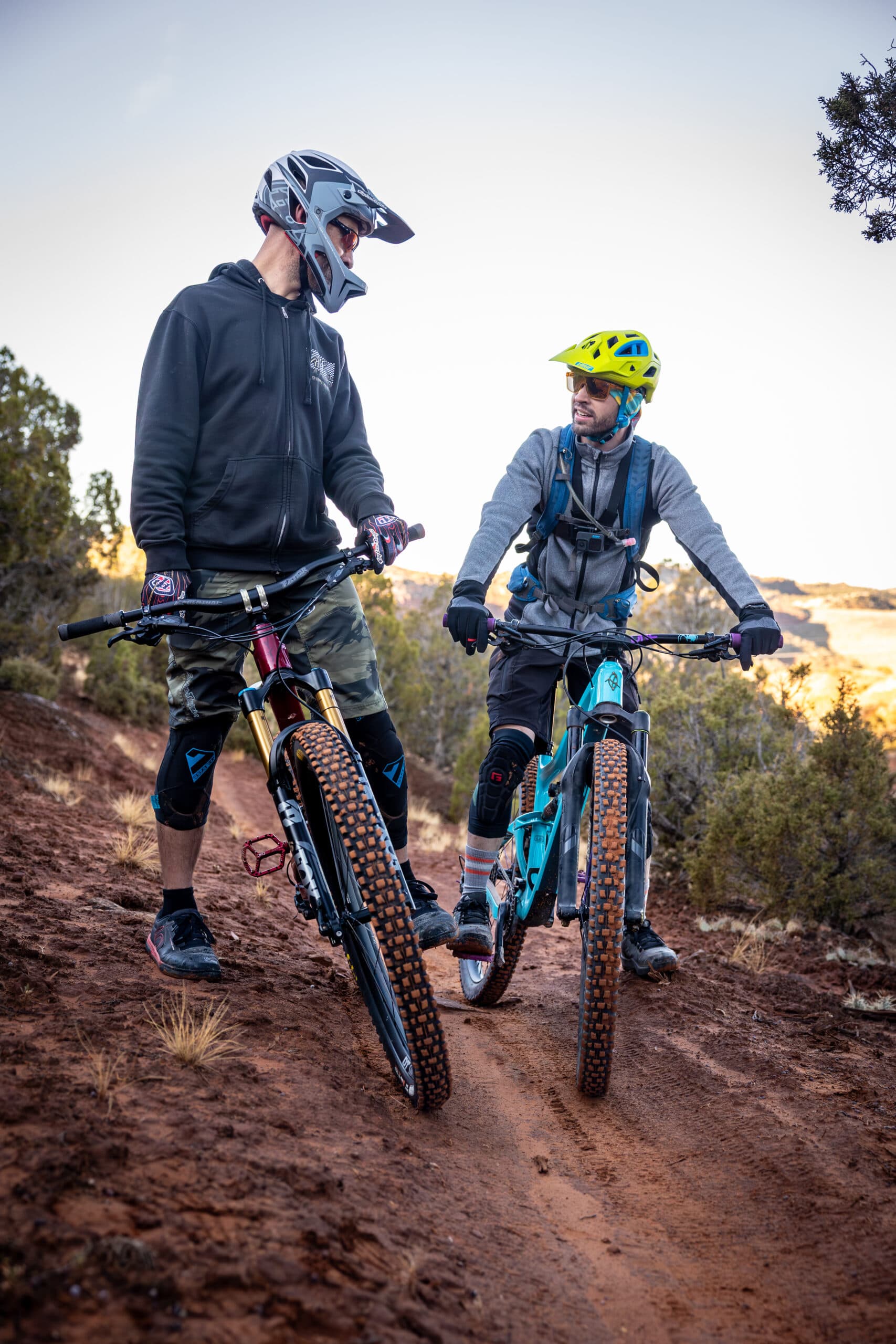
Toler’s story captures the broader workforce effect of outdoor recreation. A healthy recreation economy does not stop at guides. It also supports outfitters, land managers, recreation offices, and small-business owners who keep visitors moving through town. That matters in rural places where younger residents often look for a reason to stay. When outdoor work is visible and respected, it gives those communities a way to keep talent local.
The shift also fits the bigger Utah story. The state’s Division of Outdoor Recreation says it brings together the nation’s first Office of Outdoor Recreation with boating, OHV, grants, and planning programs. That is a sign that outdoor recreation is being treated as infrastructure, not just entertainment. In other words, the state is building systems around the sector the same way it would around roads, water, or energy.
Why access and stewardship are part of the economy
The scale of the national industry helps explain why these towns are betting on recreation. The U.S. Bureau of Economic Analysis said the outdoor recreation economy accounted for 2.4% of U.S. GDP in 2024, equal to $696.7 billion in value added. That is not a niche sideline. It is a major economic engine with millions of jobs behind it.
Public land access is a huge part of why Utah can compete here. The Bureau of Land Management says its field offices in 13 Utah communities steward about 40% of the state’s land, and it has also said outdoor recreation is vital to Utah’s economic vitality. In places like Vernal and Richfield, that means trail access, permits, maintenance, and stewardship are not bureaucratic details. They are the foundation of the visitor economy.
For travelers who want their spending to matter, that creates a clear playbook:
- Base your trip in town, not just at the trailhead.
- Use local guides and recreation businesses when the terrain or activity calls for it.
- Pick towns with real trail networks, not just a single photo stop.
- Pay attention to public meetings, access rules, and stewardship efforts, because that is where the community is shaping what comes next.
- Stay long enough to eat, refill, and overnight, so your dollars reach more than one business.
What Vernal and Richfield prove
Vernal and Richfield are not ski-resort boomtowns, and they are not trying to be. Their advantage is that they are building recreation around real local conditions: Vernal’s desert-river-mountain setting and Richfield’s growing trail system. One is layering new activity onto an economy still shaped by oil and gas. The other is turning a mountain-bike network into a reason to arrive, not just pass through.
That is the real lesson for the Southwest Adventure Vacations crowd. Outdoor recreation helps rural towns when it creates jobs, extends stays, and gives communities a hand in deciding what kind of place they want to become. In Vernal and Richfield, recreation is starting to do exactly that.
This article was produced by Prism’s automated news system from verified source data, official records, and press releases, then run through automated quality and moderation checks before publishing. The system is built and supervised by the people who set the standards it runs under. Read our full AI policy.
Did this article answer your question?