Utah Lawmakers Target Grand Staircase Monument Plan With Congressional Review Act
Utah lawmakers used an obscure law requiring only a simple majority vote to target Grand Staircase-Escalante's 1.9 million-acre management plan — a first-of-its-kind congressional maneuver.
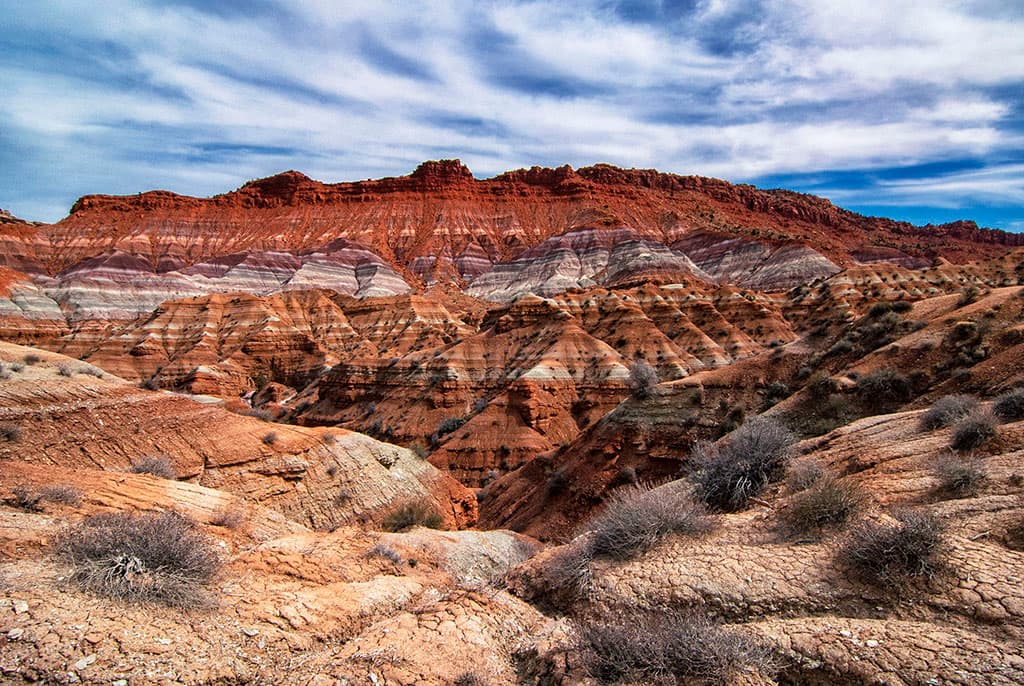
The slickrock canyons and fossil beds of Grand Staircase-Escalante National Monument are at the center of a congressional fight that conservation groups say has no precedent in the history of American public lands management. Senator Mike Lee and Representative Celeste Maloy introduced House Joint Resolution 151 and Senate Joint Resolution 109 on March 4 under the Congressional Review Act, a procedural mechanism that requires only a simple majority vote in both chambers to pass — and would wipe out the monument's current management plan entirely.
The management plan being targeted guides decisions across 1.9 million acres of southern Utah redrock country, covering everything from recreational access and OHV restrictions in sensitive areas to protections for cultural sites, wildlife habitat, and the fossil resources that make Grand Staircase scientifically irreplaceable. If either resolution clears both the House and Senate and is signed into law, the Bureau of Land Management would be permanently barred from issuing another plan that is "substantially the same," discarding years of public comment and tribal consultation in the process.
Conservation organizations are framing this as the first attempt in U.S. history to apply the Congressional Review Act to a national monument management plan. "Using the Congressional Review Act to unravel Grand Staircase-Escalante's management plan is an assault on a national treasure," said Bobby McEnaney, Director of Land Conservation at the Natural Resources Defense Council. "It would wipe out years of science and public input and lay the groundwork to make additional attacks on Grand Staircase easier."
Cory MacNulty, Southwest Campaign Director at the National Parks Conservation Association, was blunt about the stakes: "This is a blatant attack that fundamentally ignores the purpose of this monument and the voices of the people who value and fought so hard to protect it. It was decided thirty years ago that Grand Staircase-Escalante would be protected for its remarkable landscape and scientific and historic resources. Now, members of Utah's congressional delegation want to throw out years of work designing a careful management plan that involved Tribal consultation and community voices. This is another thinly veiled attempt to exploit this landscape for mining, oil and gas drilling, unchecked OHV use and more."
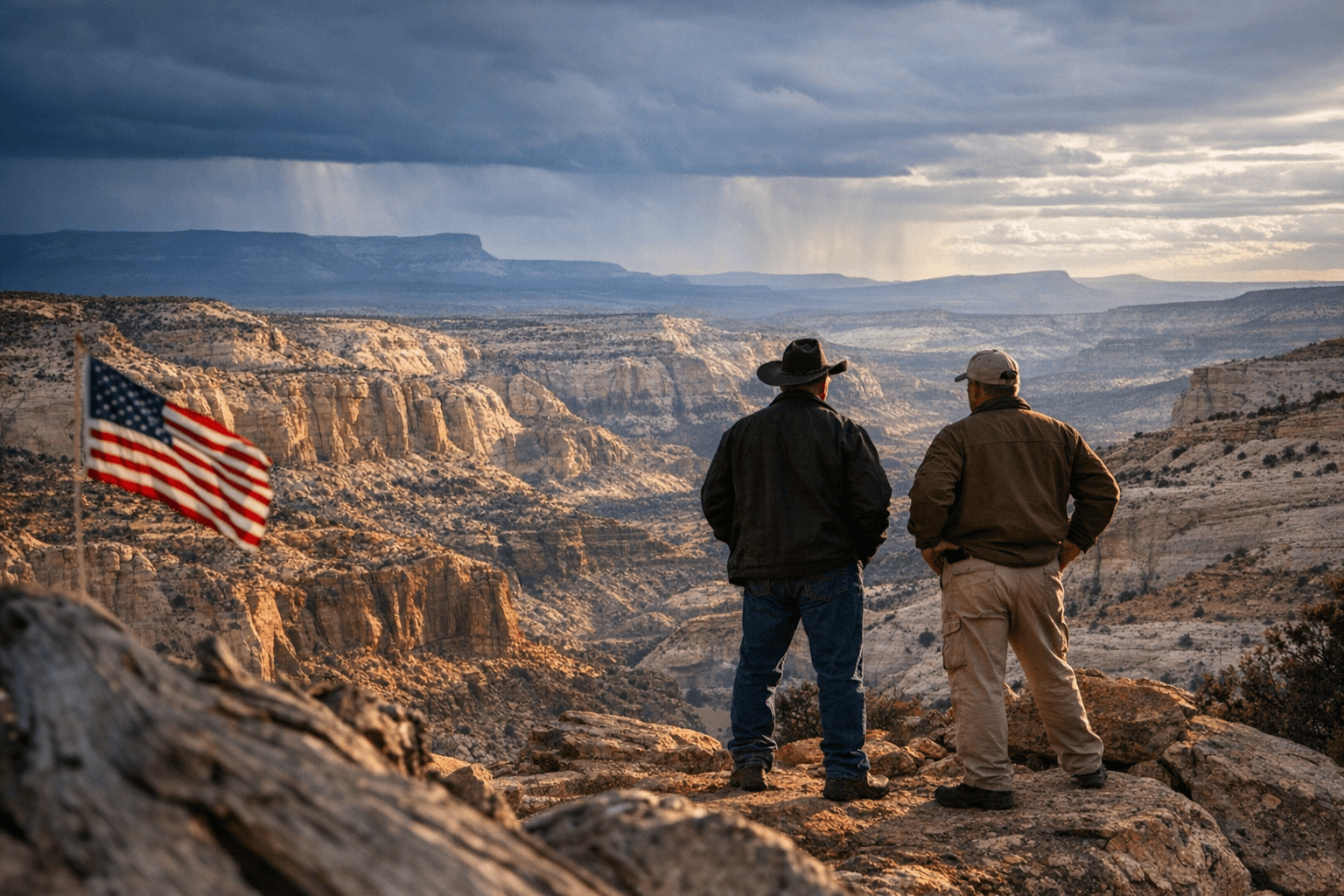
The maneuver followed Senator Lee's submission of a Government Accountability Office opinion on the Monument Management Plan to the Congressional Record, a procedural step that set the CRA process in motion. The Southern Utah Wilderness Alliance called the effort "a devastating blow to the monument on the ground and a dangerous precedent for public lands across the nation," and published a response to what it characterized as a "wildly misleading fact sheet" circulated by Rep. Maloy's office across Capitol Hill.
Steve Bloch, Legal Director at SUWA, framed the urgency in direct terms: "These wild public lands are quintessential southern Utah redrock country with stunning geology, irreplaceable cultural resources, unique fossils, and wide-open spaces. All of that is at risk if this effort succeeds and the monument management plan is undone. We intend to move heaven and earth to stop that from happening."
The NPCA pointed out that the Congressional Review Act was designed to apply to formal federal rules, not to agency management plans, calling the application legally questionable. If it survives legal scrutiny and passes Congress, NPCA warned, it would open the door for management plans governing dozens of other national monuments to face identical retroactive challenges.
This article was produced by Prism’s automated news system from verified source data, official records, and press releases, then run through automated quality and moderation checks before publishing. The system is built and supervised by the people who set the standards it runs under. Read our full AI policy.
Did this article answer your question?