Utah Trail Projects Face Uncertainty as Federal Transportation Funding Expires
Utah's 3,100-mile trail plan could slow before its backbone is built, as federal transportation funding heads toward a September 30, 2026 cutoff.
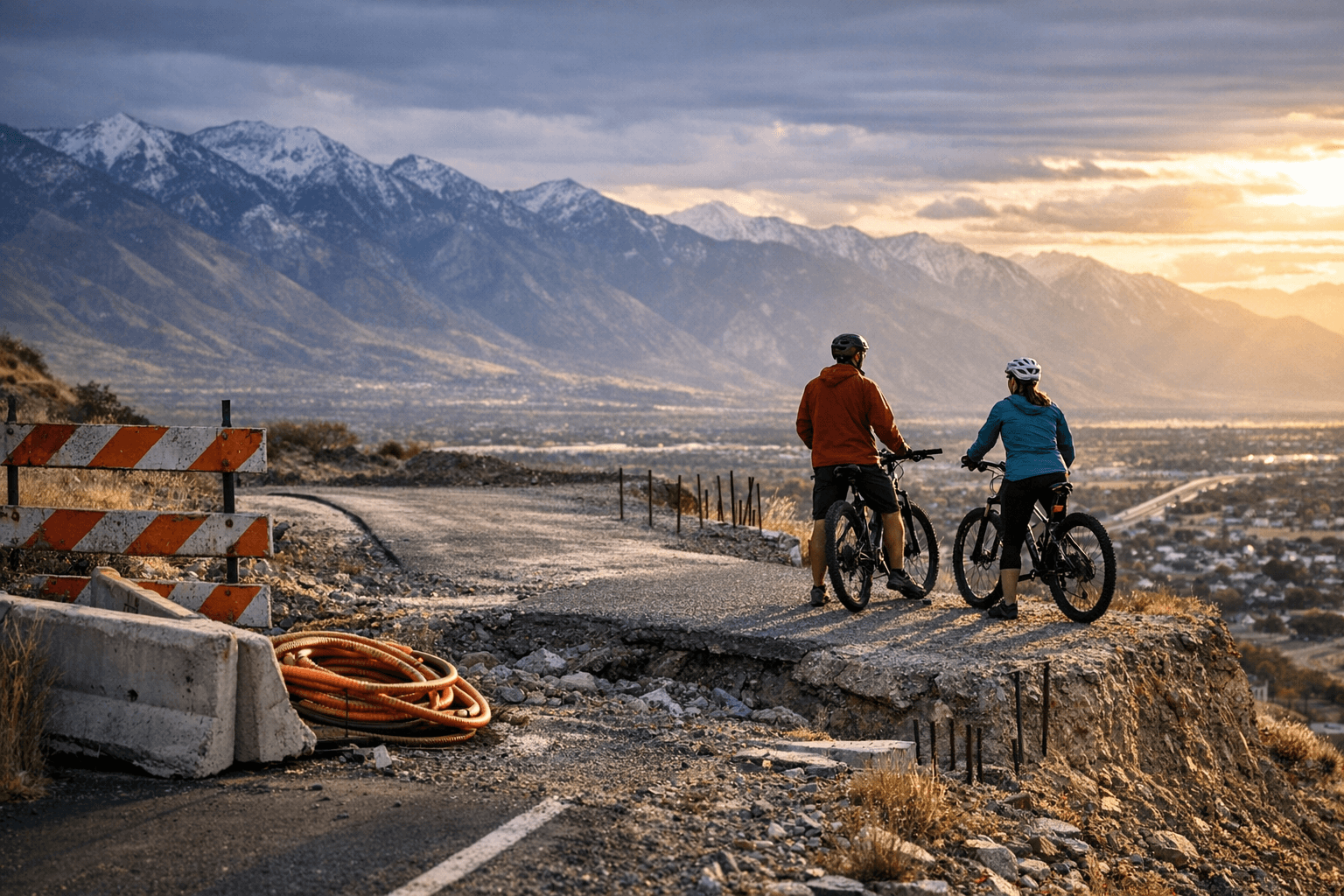
A 3,100-mile trail blueprint could lose momentum just as Utah tries to stitch more paved paths into a statewide network. The Utah Department of Transportation’s master plan calls for 2,600 miles of new trails and 500 miles of existing trails, but the federal transportation law that helps support that work is set to expire on September 30, 2026.
That deadline has sharpened concern about what happens next for walking, biking, and hiking infrastructure across Utah. Mike Christensen, executive director of the Utah Rail Passengers Association, said the timing was especially poor because state leaders have already been pushing ambitious trail goals. What looked like a 1,000-mile bike-trail vision has now grown into a far larger system, with UDOT describing the Utah Trail Network as a network of paved trails designed to connect Utahns of all ages and abilities to their destinations and communities.
The scale matters because the Utah Trail Network is meant to function as the state’s "backbone," not just a collection of isolated paths. UDOT says the trail map is the first component of the master plan, which means delays in federal funding could ripple beyond a single greenway or corridor. In practical terms, that could mean slower expansions, postponed links between neighborhoods and rural communities, and less upkeep on the paved routes people already use.
The stakes are not only recreational. Trail planners are also working against a safety picture that has worsened nationwide. The Governmental Highway Safety Association projected 7,508 pedestrian fatalities in 2022, the highest number since 1981. Even after deaths fell 4.3% in 2024, they were still nearly 20% above the 2016 level. The Centers for Disease Control and Prevention found U.S. pedestrian death rates rose 50% from 2013 to 2022, underscoring why separated paths and bike facilities matter beyond weekend rides.
For travelers, the impact would show up on the ground in places like Moab and across the state’s emerging trail corridors, where connected paths help people move between trailheads, rental shops, lodging districts, and downtowns without leaning so hard on cars. If federal support tightens, those links could arrive later than planned, and some of Utah’s most useful recreation routes may feel less connected just when demand for outdoor travel keeps climbing.
This article was produced by Prism’s automated news system from verified source data, official records, and press releases, then run through automated quality and moderation checks before publishing. The system is built and supervised by the people who set the standards it runs under. Read our full AI policy.
Did this article answer your question?