Vail Resorts Cuts Outlook as Poor Western Snowfall Hammers Skier Visits
Vail Resorts slashed its full-year profit outlook to $144-190M after skier visits dropped nearly 12% across its 37 resorts in what CEO Rob Katz called the worst Rockies winter he's ever seen.
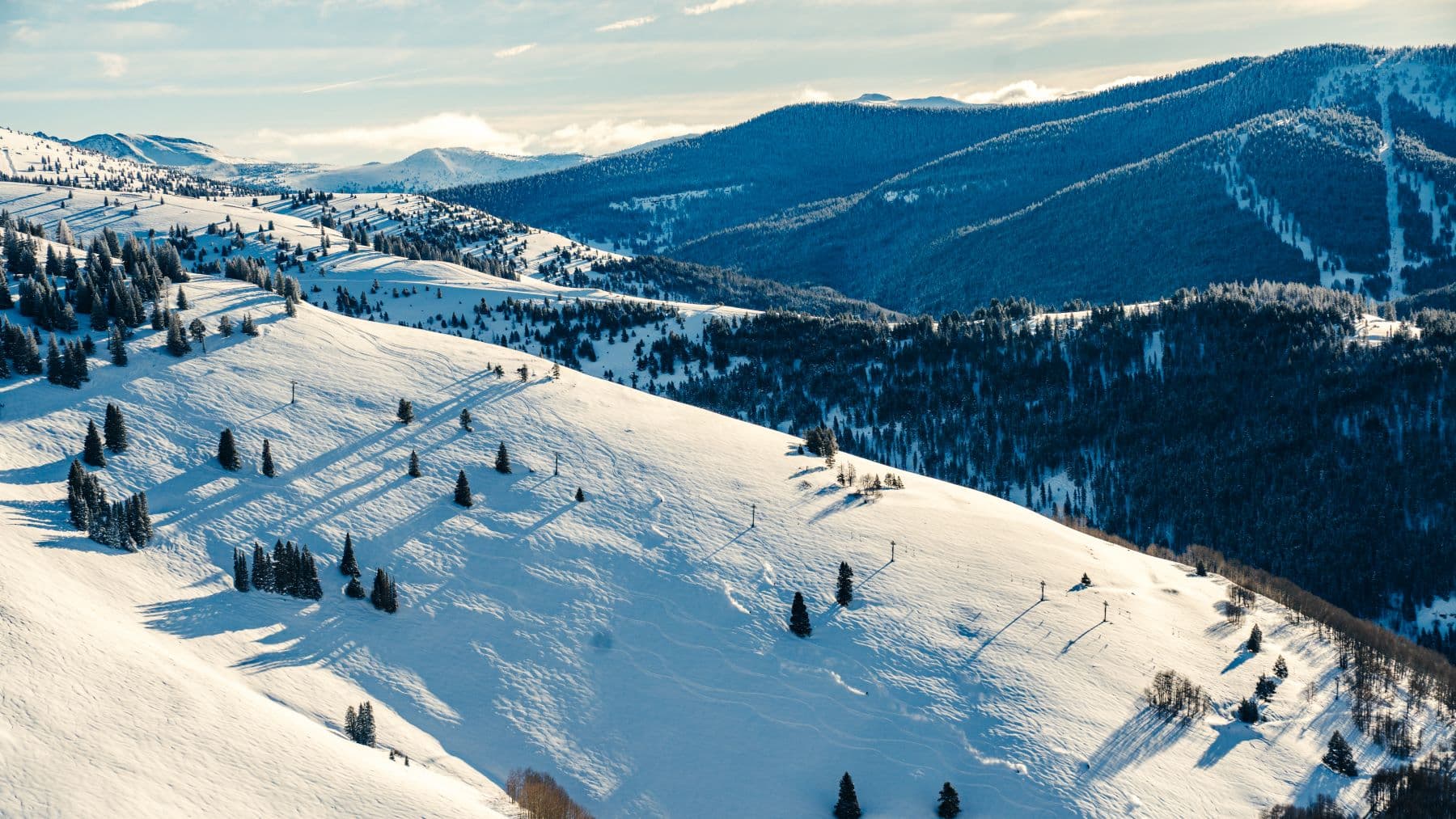
Vail Resorts posted a sharp drop in second-quarter profit and cut its full-year earnings forecast Monday after what CEO Rob Katz called "the most difficult weather environment in the Rockies we have ever seen," a season that left lift chairs ascending over brown slopes and iconic terrain sitting closed well into the holiday weeks.
The company reported net income of about $210 million for its fiscal second quarter, down from roughly $244 million during the same period last year. More striking was the revision to full-year guidance: Vail now expects fiscal 2026 net income between $144 million and $190 million, a dramatic step down from the $201 million to $276 million projection it had reaffirmed as recently as December.
Season-to-date skier visits across the company's 37 North American resorts fell about 12% through February, Katz told investors during Monday's earnings call. CFO Angela Korch placed the figure at 11.9% through early March. The declines rippled beyond the lift lines: ski school, dining and retail revenue all fell as overall visitation dropped. Season pass holders, who now account for roughly 75% of Vail's annual visitation, were not immune either, with their visits down around 14% season to date.
The on-mountain picture was stark. Through February, most of Vail's Colorado and Utah resorts operated with only 70% to 80% of their skiable acres accessible, far below normal for midseason. Breckenridge Ski Resort's Imperial Express, the highest lift in North America, opened late. So did Vail Mountain's Back Bowls. In mid-December, only about 11% of Vail Mountain's terrain was open, with lift chairs riding over patches of bare ground during what should have been the busiest holiday week of the year.
The Epic Pass strategy blunted some of the financial damage. Because so many skiers locked in their lift access before the season began, lift revenue fell only 3.6% season to date despite the much steeper drop in actual visits. "Lift revenue fell only 3.6% season to date, largely because of how many guests purchased passes ahead of the season," Korch said. Pass sales have grown roughly 55% over the past five years, and that pre-committed revenue base kept the company from a more severe financial slide.

Katz was candid about where that left the business. "The Rockies are the largest driver of resort revenue for the company, and as such, the poor weather had an outsized negative impact on our results this year," he said. He also pointed to the deliberate architecture behind Vail's business model: "We have purposely built a model that has been designed to withstand challenging weather years through regional diversification, pre-commitment of roughly 75% of visits through our pass products and continued investment in snowmaking."
Not every resort struggled equally. Katz singled out Keystone Resort as having "had a strong year," outperforming other Rocky Mountain properties. He credited changes to off-peak ticket pricing at Keystone and investments in snowmaking infrastructure there in recent years as the primary reasons.
Korch was direct about what drove the shortfall. "The changes from this year are all weather related," she said. "The visitation impact was obviously not part of our original guidance."
With the ski season still running, Vail is counting on its pass-holder base and any late-season snowfall to soften the full-year impact, but the revised guidance range signals that even the company's weather-resilience strategy has limits when the Rockies deliver a winter this severe.
This article was produced by Prism’s automated news system from verified source data, official records, and press releases, then run through automated quality and moderation checks before publishing. The system is built and supervised by the people who set the standards it runs under. Read our full AI policy.
Did this article answer your question?