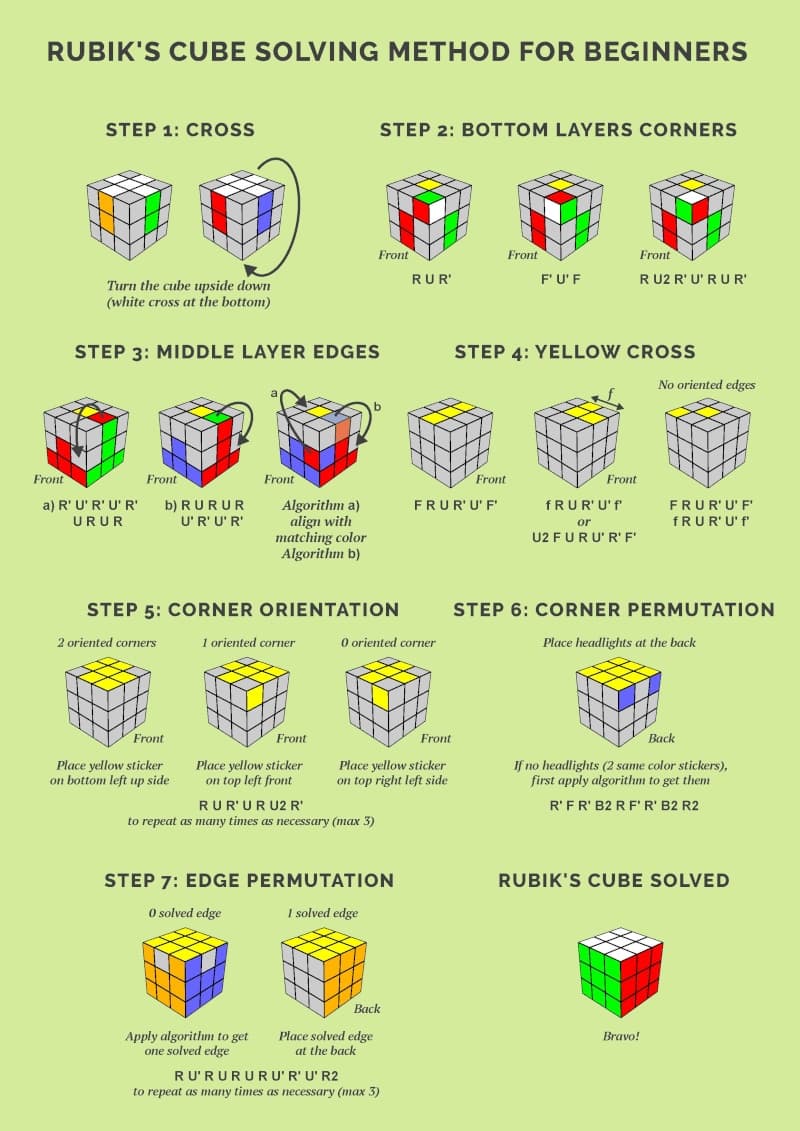
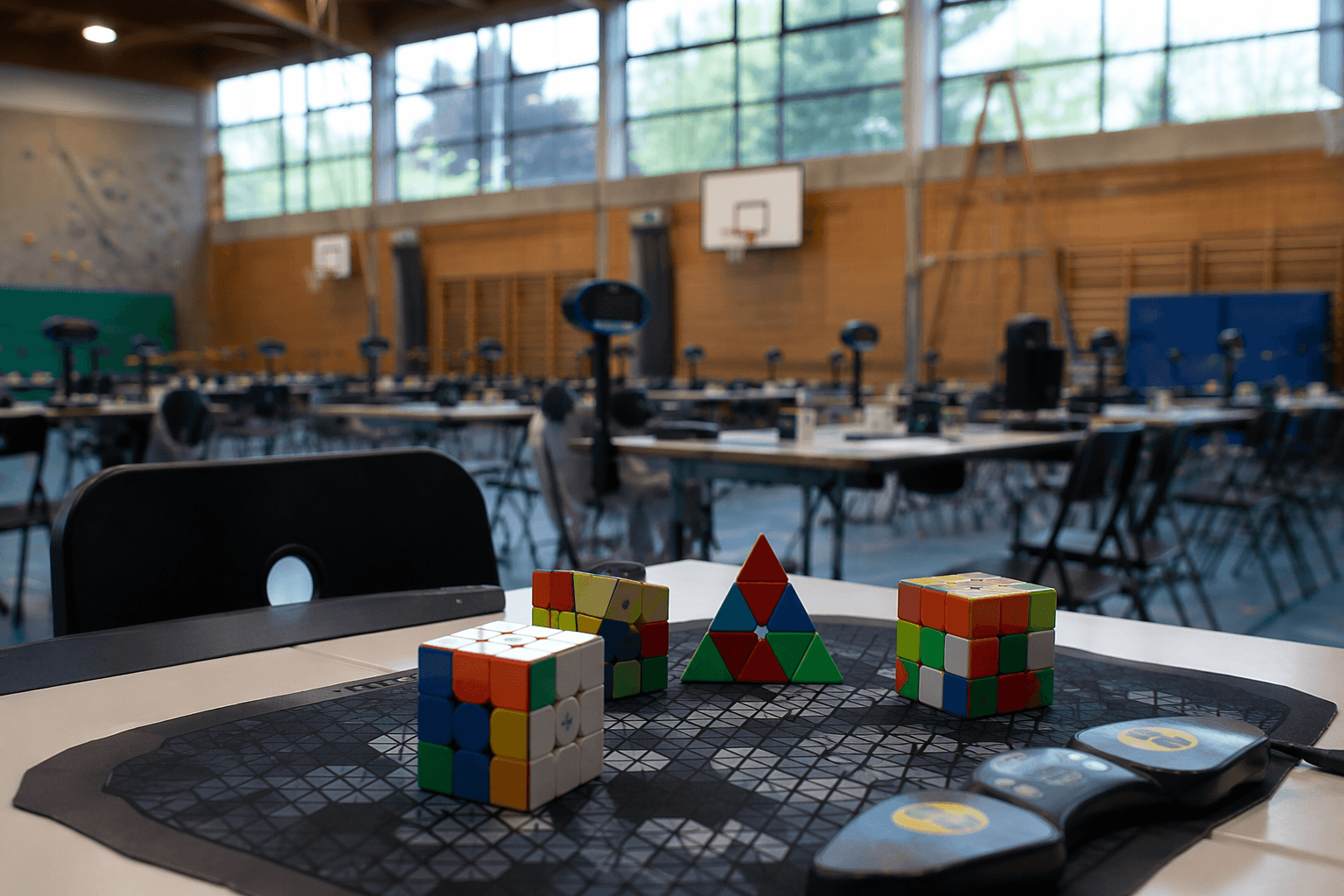
Frosted vs UV-coated cubes, how finish changes grip and durability
Frosted and UV-coated cubes change grip before magnets do. For sweaty hands and long solves, that first-touch choice can matter more than the hardware inside.
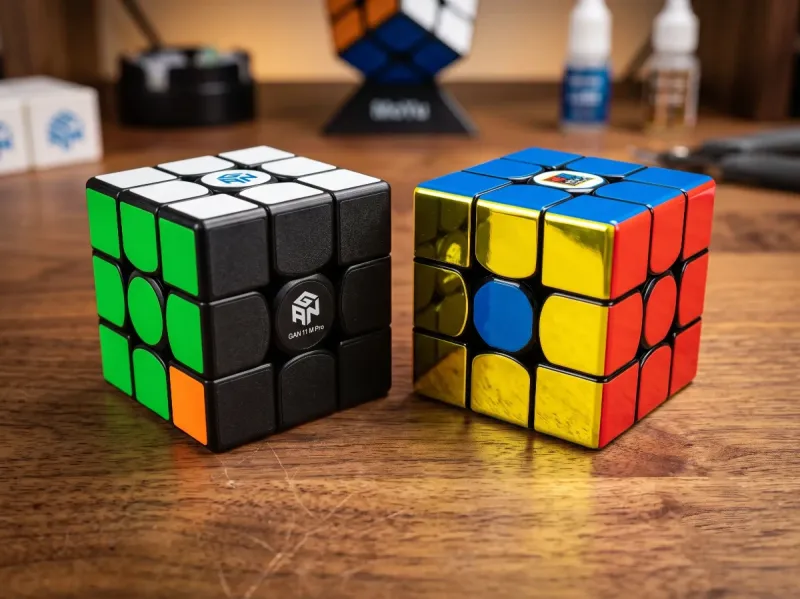
GANCUBE sells both frosted and UV-coated versions of flagship cubes like the GAN13 Maglev and GAN14 Maglev. Before you compare magnets or core design, surface finish is a practical shopping choice rather than a cosmetic extra. If your hands get sweaty or you spend long stretches drilling last-layer cases, the shell decides whether the cube feels locked in or slick.
What the finish changes under your fingers
The cleanest way to think about frosted versus UV-coated is simple: frosted is the matte option, and UV is the glossy one. GANCUBE’s product pages list frosted as matte and scratch-resistant, and UV coating as glossy, extra grippy, and highly scratch-resistant. That difference is not just branding language. It changes how the cube settles in your palm, how confidently you regrip during a fast alg or U2, and how much surface traction you feel when the solve starts getting frantic.
Frosted is the more familiar, lower-key feel. It is the shell that disappears faster in the hand, especially if you like a dry, classic touch and do not want the outer surface to call attention to itself on every turn. UV-coated cubes, by contrast, lean into that shinier, more polished skin and make the cube feel more assertive, which is why the finish appeals to people who want extra purchase from the very first solve.
Grip is where the premium starts to make sense
The strongest case for UV coating is sweat handling. If your hands heat up during long practice sessions, the extra grip makes the cube feel steadier when your turning gets aggressive, and that confidence is worth more than a small spec change on paper. This is also why the finish matters even on a daily practice cube: a cube that feels secure at 5:00 p.m. after fifty solves is more useful than a cube that feels perfect only when your hands are dry.

That said, frosted is not the “budget” choice in any meaningful performance sense. It is simply the quieter one, and that is enough for many mainstream buyers. If you already know you prefer a cube that does not cling too hard, frosted gives you a classic hand feel without pushing the surface toward the shinier, more tactile end of the spectrum.
Durability is about wear, not just toughness
Both finishes are sold with scratch resistance in mind, but they age differently in appearance. UV coating keeps the shell glossy, which is great if you want that polished look and more visible bite under the fingers; frosted keeps the surface matte, which gives the cube a more subdued, working-tool feel. In everyday use, that visual difference matters because fingerprints, shine, and micro-wear are easier to read on a glossy surface than on a matte one.
That is also where cleaning habits come into the decision. If you are the kind of solver who wipes a cube down often and likes it looking fresh, UV coating fits that ritual well. If you would rather the cube wear in quietly between sessions, frosted is the calmer choice.
In the WCA world
The World Cube Association governs competitions for mechanical puzzles operated by twisting groups of pieces, and its regulations were consolidated into a single combined document starting January 1, 2025. The current regulations page is versioned April 1, 2026.
The WCA records page was last updated Saturday, July 4, 2026 at 7:57 PM PDT, and WCA Live had competitions running July 2 to July 5, 2026, including the Rubik’s WCA North American Championship 2026 in Raleigh, North Carolina. The championship’s registration page lists a 1,200-competitor limit.
From Rubik’s 1974 invention to today’s texture debate
Ernő Rubik created the cube in 1974. Rubik’s official history lists a global launch in 1980 with 43 quintillion possible combinations. The same history marks the first Rubik’s Cube World Championship in Budapest in 1982, where the winning solve was 22.95 seconds.
Rubik’s current product pages still separate entry-level and expert-level buyers and offer solution guides for multiple puzzles, including the 3x3 and 4x4. If you want the most obvious grip boost and like a shinier shell, UV-coated is the stronger bet. If you want a more familiar matte touch that still performs well, frosted is the cleaner fit for a mainstream buy.
This article was produced by Prism’s automated news system from verified source data, official records, and press releases, then run through automated quality and moderation checks before publishing. The system is built and supervised by the people who set the standards it runs under. Read our full AI policy.
Did this article answer your question?