Swiss meet makes competitors serve as judges, runners, and scramblers
Luzern Sunset Solves turns competitors into part of the staffing plan, using two groups, a 50-person cap, and a compact evening schedule to keep the meet moving.

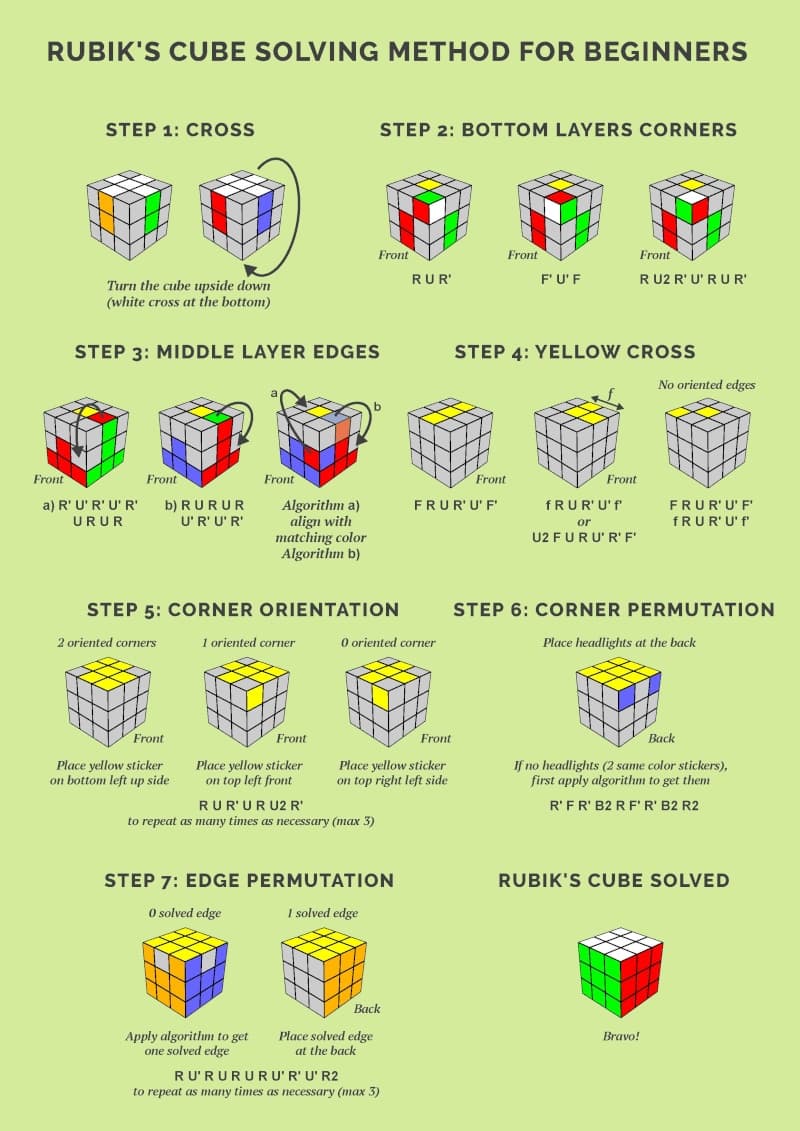
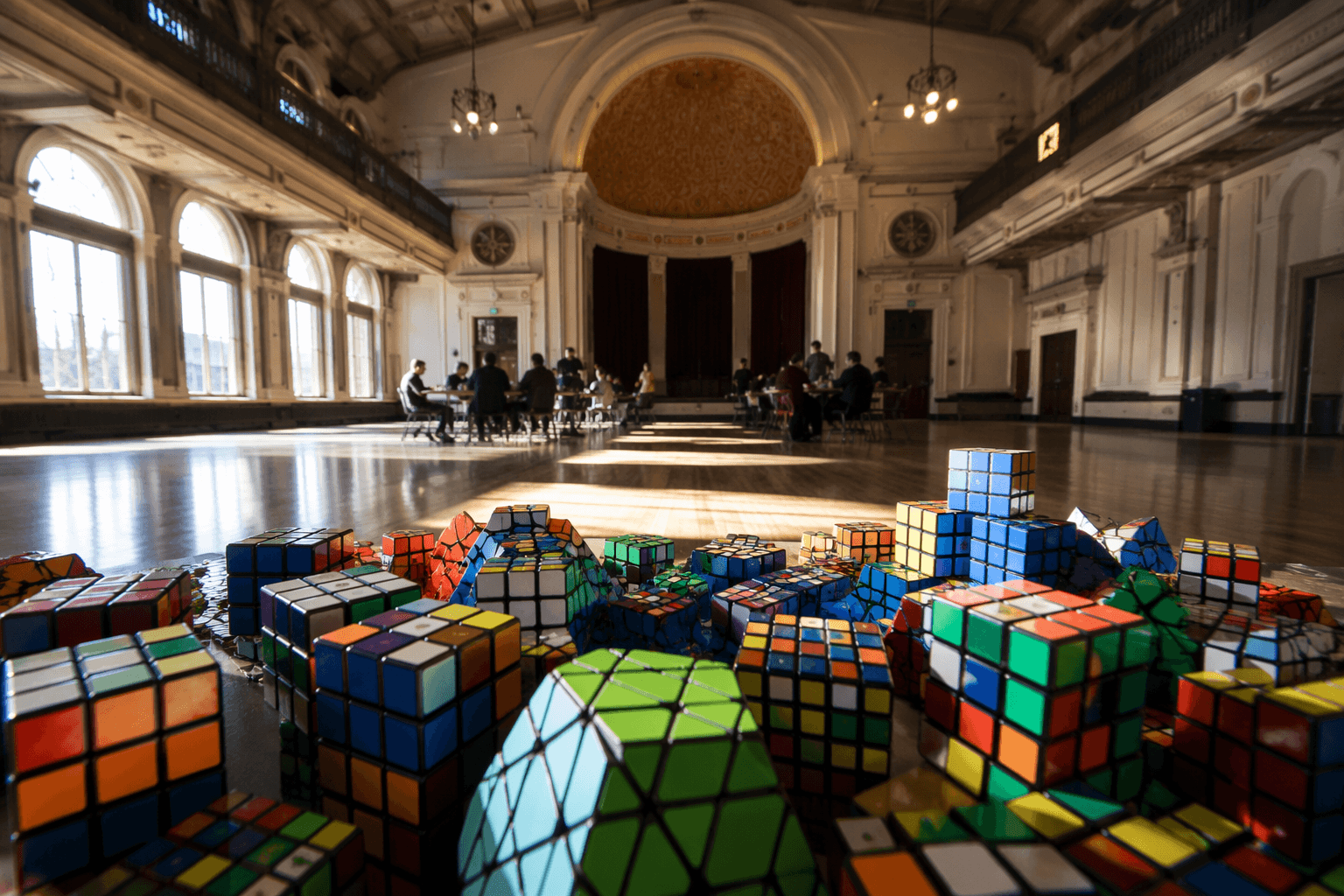
Luzern Sunset Solves 2026 turns the usual competition script into a staffing plan. Anyone entering its special-format events has to solve in one group and work the other as a runner, judge, or scrambler. In a 50-person meet, that makes volunteer labor part of the format itself.
A meet built around shared labor
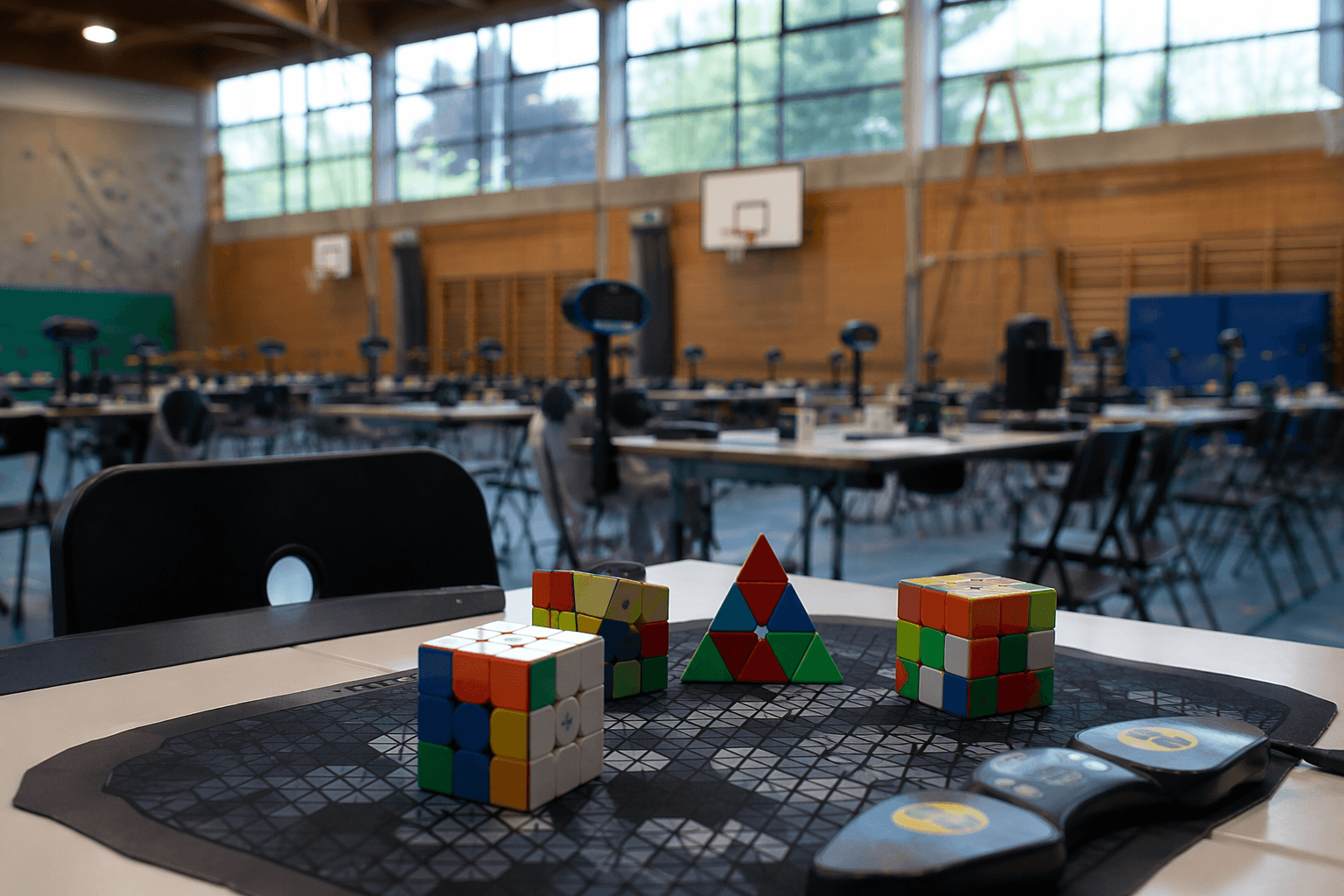
The special format covers 2x2x2, 3x3x3 One-Handed, Pyraminx, and 3x3x3 Blindfolded, and the rules for those events are unusually direct: if you take part, you must stay for the full duration of both groups, from 19:30 to 21:10, or you cannot compete. That is more than a scheduling note. It is a design choice that ties entry to service, so the same people who are solving are also keeping the room moving.
The page makes one exception for 3x3x3. If a competitor only wants to do 3x3, they can leave earlier, which gives the largest event the most flexibility while keeping the smaller side events on a tighter, more communal rhythm. That balance matters in a compact meet like this one, because it lowers the need for outside staffing while still putting enough people on the floor to judge, scramble, and run the line.
That approach fits squarely inside WCA culture. WCA regulations require competitions to have judges, scramblers, and score takers, and competitors must be available for judging. The same rules also recommend that competitors in the same group use the same scramble sequences, while different groups use different scramble sequences, which helps explain why organizers split events into two groups in the first place. The WCA describes itself as a 100 percent volunteer-led nonprofit, so a format that makes competitors part of the staffing ecosystem feels less like a gimmick than an efficient translation of how the scene already works.
What the schedule looks like on the ground
Luzern Sunset Solves is set for August 19, 2026, in Luzern, Switzerland, at HSLU Campus Inseliquai, Inseliquai 12B, 6002 Luzern, in Plenum 02. The current schedule lists check-in from 15:45 to 16:15 and a 3x3x3 round from 16:15 to 17:45, then reserves the evening block for the special-format events that run from 19:30 to 21:10. That makes it a deliberately compact, evening-focused meet rather than an all-day marathon.
The cap is 50 competitors, which is small enough to keep the room manageable and large enough to create a real field. Registration opened on July 2, 2026, the base fee is CHF15, and payment is handled through Stripe after registration. No on-the-spot registrations are accepted, so this is a meet that asks people to commit in advance instead of drifting in at the door.
Those choices affect the feel of the competition as much as the logistics. A capped field keeps wait times more predictable, and the two-group structure means fewer dead spots between solves because competitors are helping cover the next run. It also sharpens the fairness of the setup: same-group competitors share scrambles, different groups do not, and the service roles are built into the rotation instead of being left to a tiny volunteer core to absorb everything.
Why this format fits a small Swiss meet
Swisscubing and Tobias Peter are organizing the competition, with Daniel Houghton, Fabian Tomasović, Ioannis Papadopoulos, and Mattia Pasquini listed as WCA Delegates. That delegate presence matters because WCA competition organizer guidelines require every competition to be attended and overseen by a delegate, so the structure is not improvised, it is formally supervised. Peter’s own WCA profile shows 248 completed competitions, which gives the organizing side a strong practical background in how a meet actually functions at floor level.
The registration page already shows 21 registered competitors from 8 regions. The list includes Switzerland, Italy, Austria, Hungary, Slovakia, Russia, the United States, and Malaysia, which gives the meet a broader pull than its local footprint might suggest. For a 50-person event, that kind of spread hints at a field that is small by design but not parochial.
The Lucerne setting also sits inside a broader regional story. Cubing in the Rain 2026, another event in the area, was noted as the first competition in the Canton of Luzern since 2019, which makes this summer’s calendar feel more like a reawakening than a one-off. Luzern Sunset Solves extends that momentum with a format that depends on the people in the room instead of a large outside volunteer bench.
That is the real story here. The meet is not just using a dual-group schedule to save time, it is turning that structure into community engineering, asking competitors to keep the competition fair, staffed, and social while they are also chasing their own averages. In a 50-person room on one August evening, the solves and the volunteer work are built to happen together.
This article was produced by Prism’s automated news system from verified source data, official records, and press releases, then run through automated quality and moderation checks before publishing. The system is built and supervised by the people who set the standards it runs under. Read our full AI policy.
Did this article answer your question?