Hampton Racquet expands junior clinics and clay court tennis in the Hamptons
Hampton Racquet’s red clay and Har-Tru courts give East Hampton families a real training edge, with after-school junior clinics built for summer development.
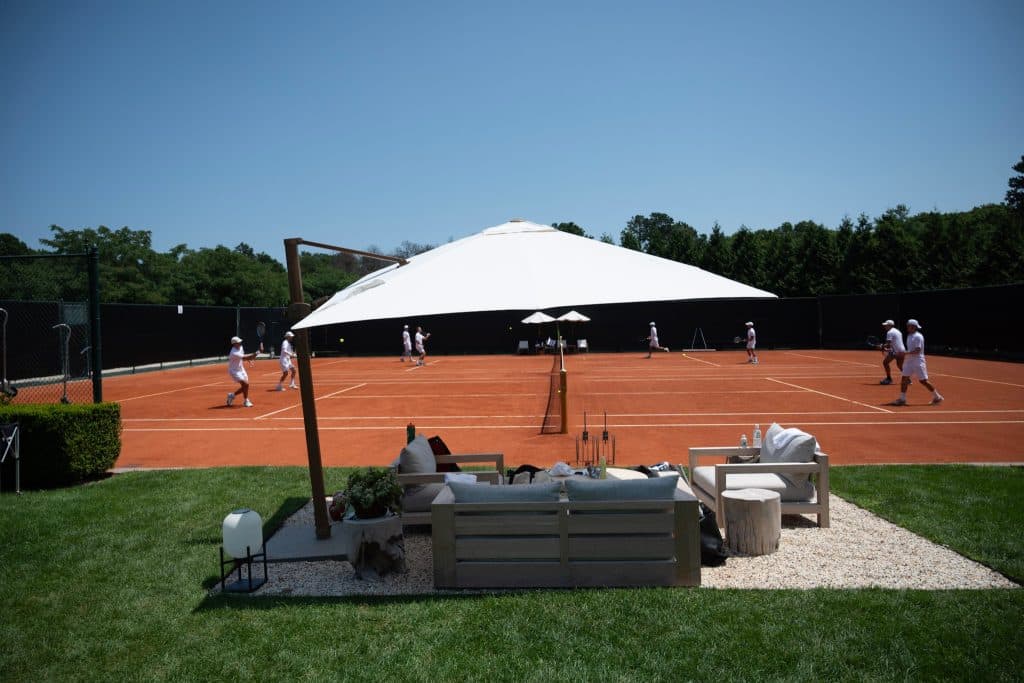
Hampton Racquet is leaning into what makes it useful for Hamptons players right now: two red clay courts, eight Har-Tru Green Clay courts, and a junior clinic block that fits real family schedules. At 172 Buckskill Road in East Hampton, the club is pitching itself as more than a place to hit balls, with lessons, rentals, events, tournaments, and off-site coaching all under one roof.
The surface mix is the point
If you care about how tennis actually develops, the court surface matters. Hampton Racquet’s blend of two red clay courts and eight Har-Tru Green Clay courts gives players a chance to work on movement, balance, and point construction in a way that hard-court-only venues cannot replicate. That matters for juniors especially, because clay forces cleaner footwork and more patience, and it matters for recreational players who want longer rallies and a little less shock on the body.
On the East End, that kind of setup is part of what separates Hampton Racquet from the more generic seasonal options. The club is not selling a one-note summer court rental experience. It is offering a surface environment that supports actual progression, whether you are trying to build a junior’s game or keep your own points from turning into 10-shot sprints.
Junior clinics are the clearest draw
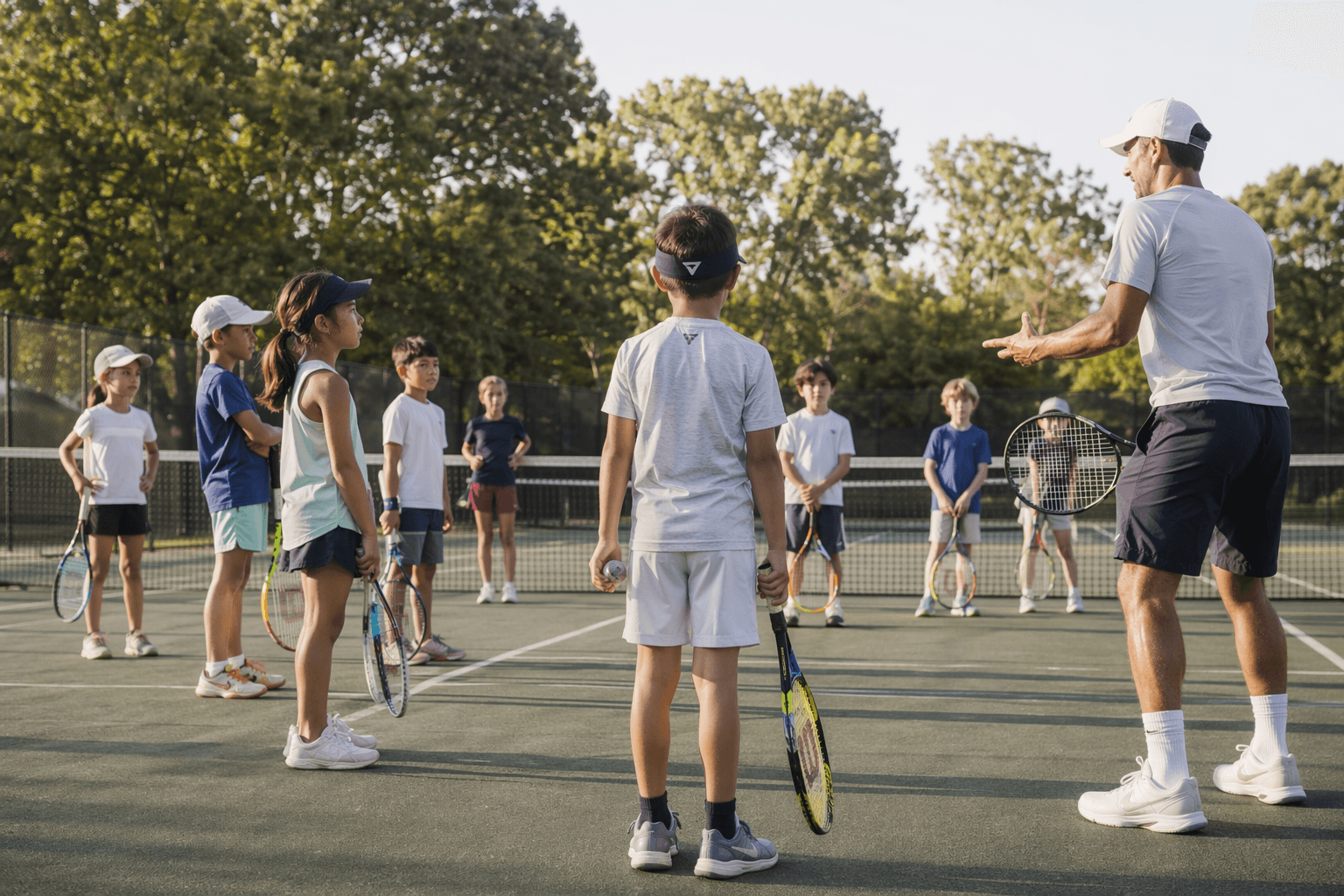
The strongest programming hook on the tennis side is the Youth High Performance Clinics, which run Mondays, Wednesdays, and Fridays from 4:00 p.m. to 6:00 p.m. That is a serious after-school window, and it tells you exactly who the club is trying to serve: juniors who are beyond the beginner stage and need regular, structured work.
For families planning around summer development or pre-season sharpening, the appeal is obvious. A three-day weekly block gives young players repetition without forcing you to piece together sessions across different sites, different coaches, and different surfaces. The setup makes Hampton Racquet a practical choice if you want a training rhythm that feels organized rather than improvised.

Adults get the same useful kind of access
The club’s broader menu is not just there for show. Private lessons, clinics, court rentals, events, and tournaments are all listed as part of the tennis operation, and that gives adult players a straightforward way in whether they want one-on-one coaching or a group setting. The off-site lesson option is especially useful in the Hamptons, where plenty of homes have courts but not every household wants to handle instruction logistics alone.
That mix matters because recreational players often need flexibility more than intensity. Hampton Racquet’s model lets you book court time, add coaching, and keep the whole arrangement local instead of bouncing between a pro, a reservation system, and a separate event calendar.
A club with a real East Hampton identity
Hampton Racquet is not presented like a polished membership-only enclave, and that is part of its appeal. Local coverage describes it as one of the oldest tennis clubs in the Hamptons, family-owned, and not a traditional membership club. It also sits on 5.946 acres, which helps explain why the property can support more than just a standard cluster of courts.
That broader footprint now extends beyond tennis into padel and other racquet sports, which signals a club trying to grow into a fuller summer destination. For players and families, that means Hampton Racquet is not standing still while the East End racquet scene keeps widening.
John Graham still shapes the place
Any conversation about Hampton Racquet has to pass through John Graham’s legacy. Hampton Racquet’s own legacy page says he was the heart and soul of the club for more than 12 years, and The East Hampton Star says he ran Hampton Racquet from 2012 until 2024. The obituary also says he died on Aug. 16, 2024, at Memorial Sloan Kettering Cancer Center in New York City, at age 63.
His impact went beyond tennis administration. The obituary notes that he was a former board member of the Eleanor Whitmore Early Childhood Center and a supporter of Project Most, which fits the club’s community-minded tone. The page’s emphasis on mentoring children, especially through the Kids Camp at Hampton Racquet, helps explain why the junior pipeline feels so central to the club’s identity.
Why it matters for this season
Hampton Racquet’s current message is clear: it is welcoming players back for the 2026 season with a full schedule of sports, tournaments, and events, and it wants the property to feel like “a second home.” That framing works because the club is not trying to be all things to all players. It is trying to be the place where East Hampton families can train, rent, book, compete, and get lessons without patching together a season from scattered vendors.
If you are choosing where to train this summer or mapping out a junior’s pre-season work, the combination of surface variety and steady clinic structure is the real story here. The red clay and Har-Tru courts are not just a visual selling point, they are the training environment, and Hampton Racquet knows that is what makes it worth putting on the calendar.
This article was produced by Prism’s automated news system from verified source data, official records, and press releases, then run through automated quality and moderation checks before publishing. The system is built and supervised by the people who set the standards it runs under. Read our full AI policy.
Did this article answer your question?