Kiki Hajkova shares what makes a tennis coach effective in the Hamptons
Kiki Hajkova's coaching favors structure, balance and clear next steps. That makes her a strong Hamptons fit for juniors, serious adults and focused recreational players.
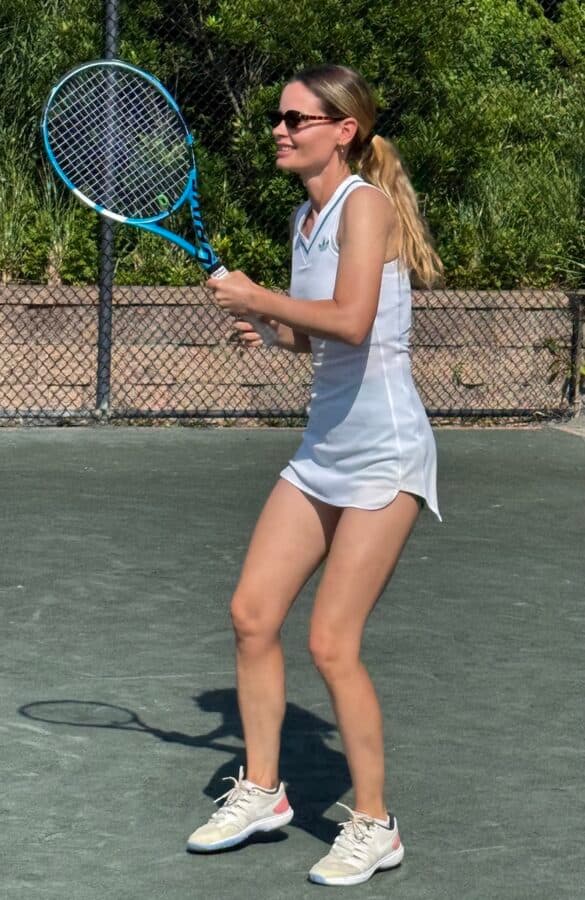
Kiki Hajkova is the kind of coach who makes you think about your game in layers, not slogans. Her Hamptons profile points to a player who came up in Slovakia, competed across Europe, earned a U.S. college scholarship, and then built a coaching career around the same mix of discipline and adaptability she once needed as a player herself. In a tennis market full of court access, summer traffic and different clay setups, that matters.
What her background says about the coach she became
Hajkova started tennis at age 10 in Slovakia, and an Avenue magazine profile said she was already ranked in the top ten there after just two years in the sport. She later played tournaments across Europe and earned a scholarship to play college tennis in the United States, which gives her a pathway that is equal parts early specialization and high-level competition. That background usually produces a coach who understands what a player looks like when fundamentals are still forming, and what that same player looks like under pressure.
Her Hamptons route is just as telling. She worked at East Hampton Indoor Tennis and Hampton Racquet before moving into teaching at a private beach and tennis club in Water Mill and at private residences. That is not the résumé of a coach who only fits one kind of setting. It is the résumé of someone used to changing environments, court surfaces and player needs without losing the thread of the lesson.
A foundation-first philosophy, not a quick-fix one
Hajkova describes tennis as one of the best and most complex sports for a child’s development because it demands technical skill, discipline, tactics, match experience, fitness and mental toughness. That is a useful clue for anyone trying to decide whether her style fits their player. She is not selling tennis as a casual after-school activity or a fashionable summer add-on. She treats it as a developmental system, where how a player thinks matters as much as how the racquet moves.
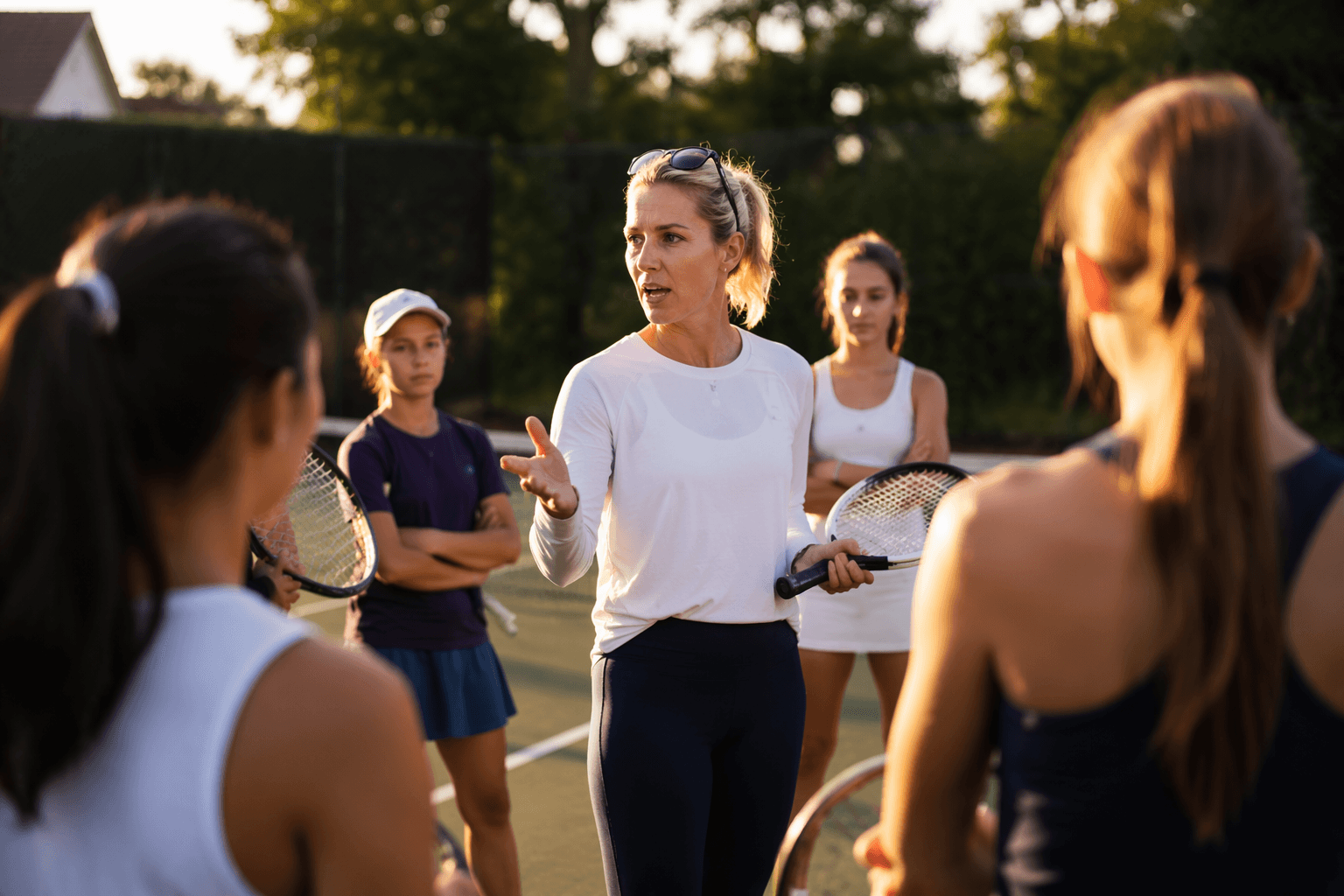
Her coaching philosophy comes down to balance, and she keeps that balance practical. After a lesson, she has clients review the three things they worked on and say what they will focus on next. That kind of follow-through is simple, but it solves a common problem in lessons: players leave feeling busy instead of better. Hajkova’s approach keeps the lesson narrow enough to remember and structured enough to build on.
That is also why her style tends to suit players who get stuck in their own heads. She has said many players overthink the game, when the better answer is usually to build a strong foundation and keep the mechanics and mental approach clear. If you want every session to feel like a reset button, this is not that model. If you want a coach who turns one correction into a repeatable habit, it is.
Who this style fits best
For juniors, Hajkova’s method has obvious appeal. She is talking about tennis as a package of technical, mental and physical skills, which is exactly what young players need when they are still learning how to compete without unraveling between points. The three-item review after lessons is especially smart for kids because it gives them a short checklist instead of a lecture.
For competitive adults, the fit is just as strong. Adults who already understand the game but want to stop leaking points benefit from a coach who values tactics and mental clarity as much as stroke production. Her emphasis on balance makes sense for players who train hard but still need their game to hold together when a match gets tight.
For recreational players trying to improve efficiently, the appeal is even more straightforward. Hajkova is not describing a system built on endless drill volume or constant reinvention. She is describing a process that trims the noise, reinforces the basics and gives each session a clear next step, which is exactly what busy players need when they cannot live on court every day.
Why her approach fits the Hamptons
The local coaching ecosystem is big enough to support a style like this. East Hampton Indoor Tennis says it has operated since 1995 and lists 6 indoor courts, 18 outdoor courts, 2 platform or pickleball courts, 3 padel courts and more than 25 instructors in summer. It also offers lesson packages, member discounts and off-site tennis lessons at private residences, which matches the way Hamptons players actually book time, in clubs, homes and whatever schedule the season allows.
The wider East End tennis world is built on similar variety. East Hampton Tennis Club says it is celebrating over 50 years of excellence and offers 15 outdoor Har-Tru courts, 2 year-round paddle tennis courts and lessons for adult and children members and non-members. Hampton Racquet Club lists 2 red clay courts and 8 Har-Tru Green Clay courts, along with private lessons, clinics, court rentals, events, tournaments and off-site lessons. When a player moves between that many settings, a coach who can teach a foundation rather than a script becomes more valuable.
The seasonal demand is real, too. New York Tennis Magazine has noted that tennis is one of the most popular East End summer activities and that players come from across Long Island and New York City to play. SPORTIME says its Amagansett, JMTA Hamptons club is the largest outdoor tennis facility in the Hamptons and serves 500 to 1,000 players and campers per day in summer. In that kind of environment, the coaches who last are the ones who can keep players organized, not just entertained.
Hajkova’s profile makes sense inside that scene because it answers the question Hamptons players actually ask when they are choosing instruction: do I need a cheerleader, a tactician or a builder? Her record points to the third option, and for juniors, committed adults and focused recreational players, that is usually the coach who changes the game for real.
This article was produced by Prism’s automated news system from verified source data, official records, and press releases, then run through automated quality and moderation checks before publishing. The system is built and supervised by the people who set the standards it runs under. Read our full AI policy.
Did this article answer your question?