Maidstone Club preserves Hamptons tennis history on grass courts
Maidstone’s 19 grass courts, archival trophies and 1930s crowd scene show how the Hamptons built a tennis culture around prestige, surface variety and continuity.
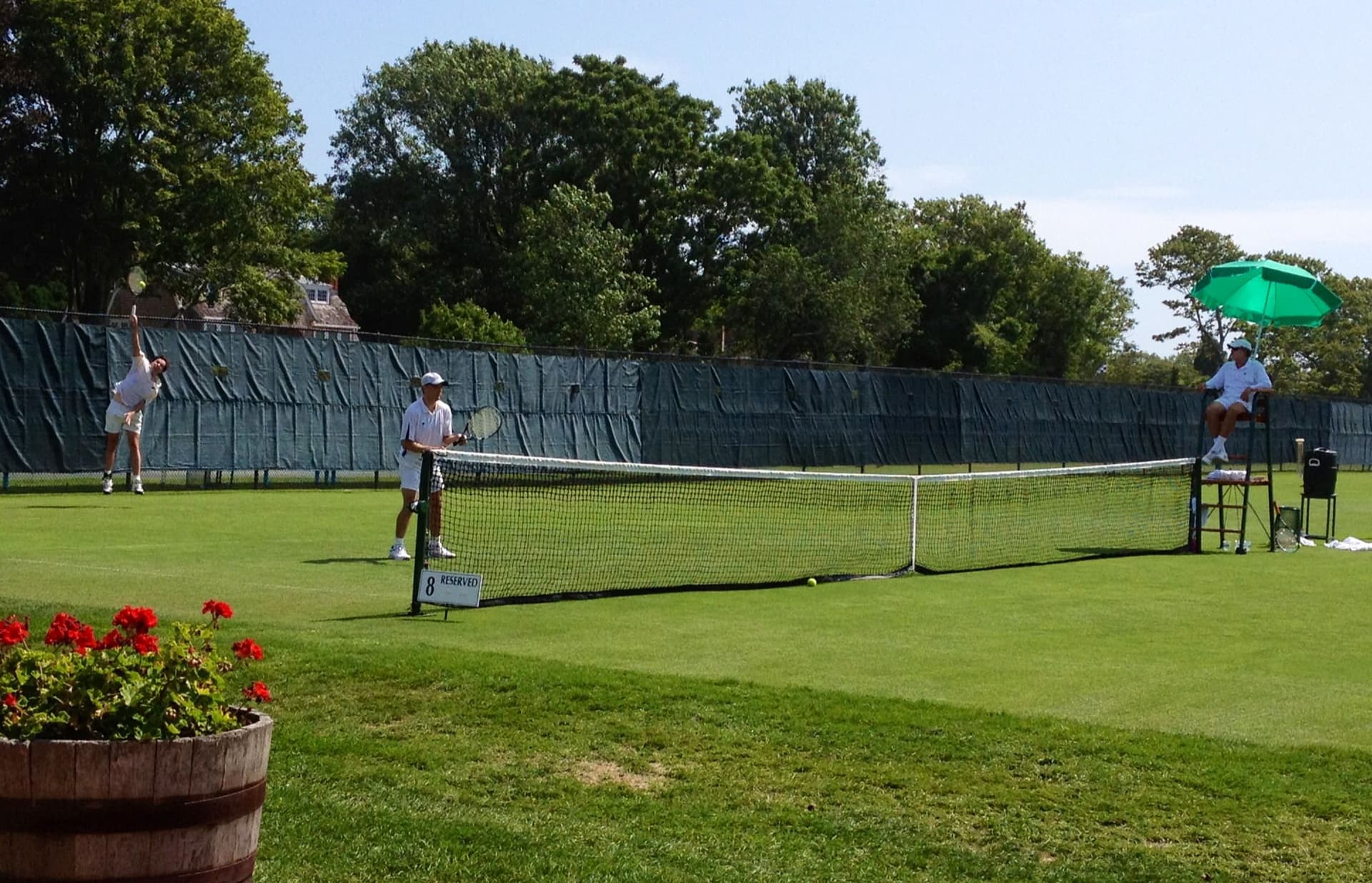
Maidstone Club is the cleanest physical record of Hamptons tennis because its identity lives in two places at once: the courts in East Hampton and the artifacts that outlast the summers. The club says it was founded in 1891 and now lists 19 grass courts, two Har-Tru courts and two all-weather courts, a mix that keeps the grass-court tradition intact while making room for a longer, more flexible season. That combination is the real lesson here: Hamptons tennis was never only about one surface, it was about preserving status, playability and continuity at the same time.
The court inventory is the clue
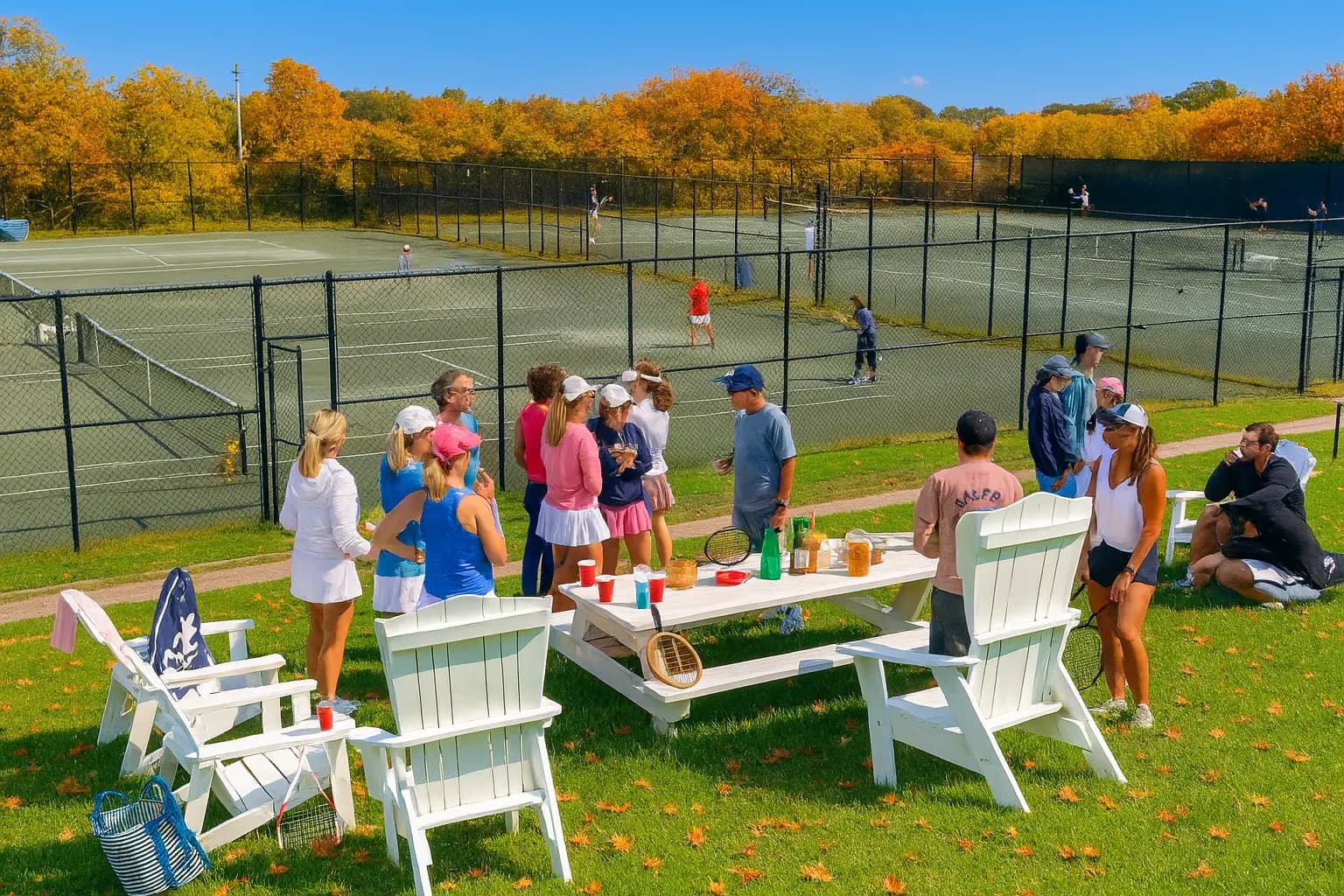
Start with the number that matters most: 19 grass courts. That is not just a membership perk, it is a declaration that the club still treats grass as the core of its tennis identity, which is exactly why Maidstone remains such a strong reference point for the region. The two Har-Tru courts and two all-weather courts matter just as much, because they show how a classic private club adapted without abandoning its base.
That mix tells you something practical about the Hamptons. Tennis here has always had to balance tradition with the realities of a long season, changing weather and the need to keep people playing. Maidstone’s court count shows a club that preserved its roots instead of replacing them, then added surfaces that broaden the calendar and make play more reliable.
For anyone trying to understand the local tennis landscape, that balance is the point. The Hamptons did not build its tennis identity on one perfect surface alone. It built it on a blend of prestige and maintenance, where the grass court remains the signature and the supporting surfaces keep the whole system functioning.
The archive image turns the club into a scene
The Long Island Library archive image titled “General View of the Championship Tennis Court and Clubhouse at Maidstone” gives the club a social dimension that a court list cannot. The crowd gathered around the court, and the hats worn by spectators, place the scene squarely in the 1930s and make one thing obvious: tennis at Maidstone was public, visible and worth dressing for.
That matters because it shows how Hamptons tennis culture was built around watching as much as playing. The court was not tucked away as a private exercise space with no audience. It was a place where people gathered, stood around the championship court and treated the match as an event. Long before today’s summer photo culture, the region already understood tennis as something to be seen.
This is also where Maidstone separates itself from a simple club-history story. The archive image does not just say the club existed. It shows the tone of the place, the posture of the spectators and the social performance around the game. That kind of visible tennis helped define the Hamptons as a place where the sport carried status, not just sweat.
The trophy proves prestige was part of the game
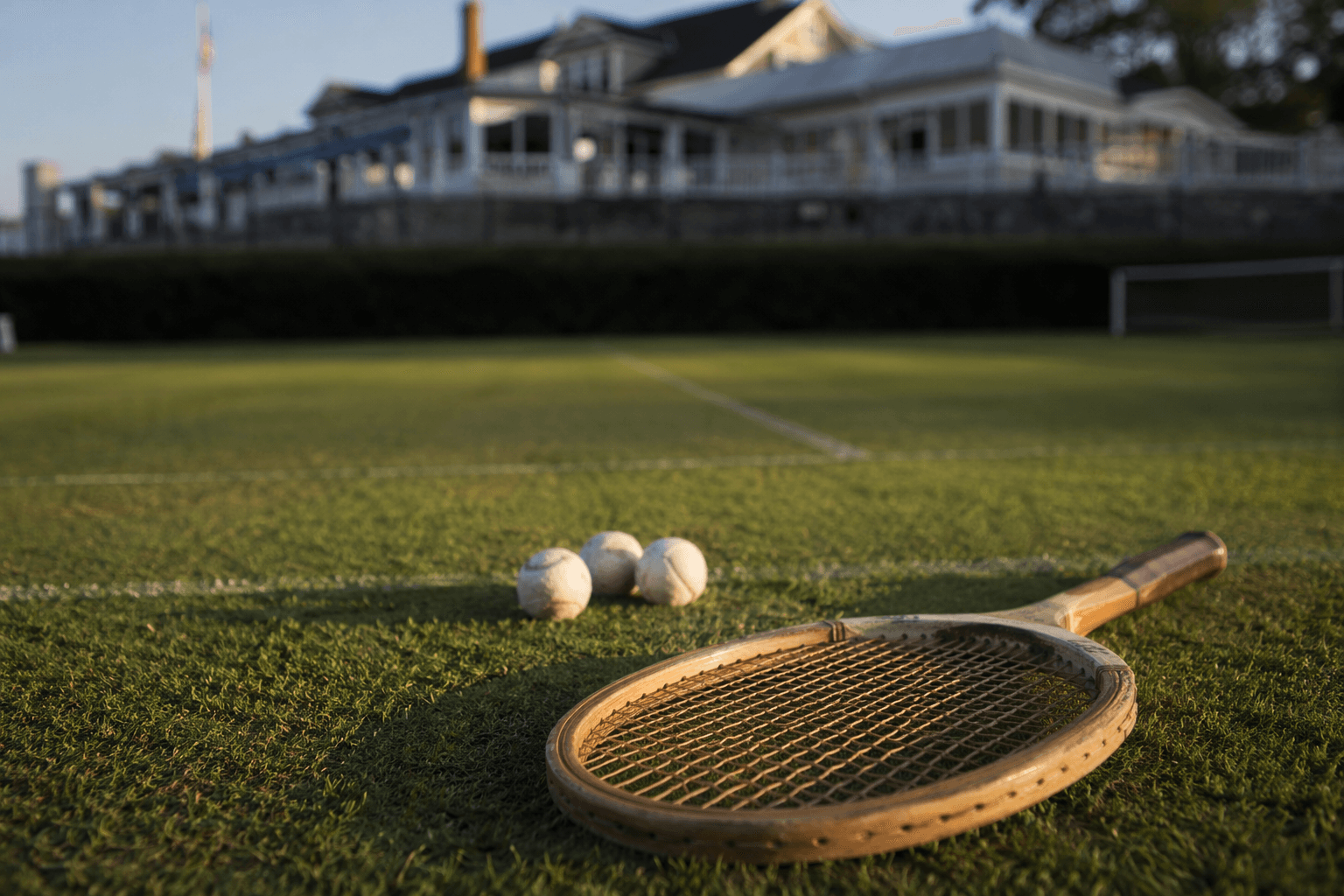
The East Hampton Star’s archive piece on the Maidstone trophy adds another layer that serious tennis people tend to appreciate immediately: the hardware. The trophy was designed by McClelland Barclay, the illustrator who lived from 1891 to 1943, and it was one of two given to the club. That detail matters because it shows how much weight the club and its era put on presentation, not just results.
A commissioned trophy from a noted artist turns a tennis award into an object with its own cultural value. It suggests a world where the prize sitting on the sideboard was almost as important as the match that earned it. In Hamptons tennis, that kind of object helps explain why the sport carried such deep local prestige. Matches were part of a wider social language, and the trophy was one of its clearest expressions.
That is also why Maidstone feels bigger than a single club. The trophy, the clubhouse, the championship court and the archive image all point to the same thing: tennis here was organized around ceremony, recognition and legacy. The score mattered, but so did the object that remained after the final ball was struck.
Maidstone’s roots explain the Hamptons pattern
A LongIsland.com piece drawing on East Hampton Library materials says that, around the turn of the 20th century, moneyed New Yorkers traveled east to play tennis and relax by the ocean at Maidstone Club. That detail gives the club its place in the larger Hamptons story. It was not only a destination for matches, but part of a summer migration that tied tennis to leisure, distance from the city and a particular kind of coastal social life.
Put the court inventory, the archive image and the trophy together, and Maidstone becomes more than a historic name. It becomes a working case study in how Hamptons tennis took shape: grass-court prestige, spectator ritual, collectible hardware and enough surface variety to keep play going across the season. That blend of private-club history and enduring local prestige is still visible in the club’s physical footprint.
If you want to understand why tennis in the Hamptons feels different from tennis anywhere else, Maidstone is where you start. The grass courts explain the tradition, the Har-Tru and all-weather courts explain the practicality, and the archive pieces explain why the place still carries weight. The club preserves more than matches, it preserves the structure of the region’s tennis identity.
This article was produced by Prism’s automated news system from verified source data, official records, and press releases, then run through automated quality and moderation checks before publishing. The system is built and supervised by the people who set the standards it runs under. Read our full AI policy.
Did this article answer your question?