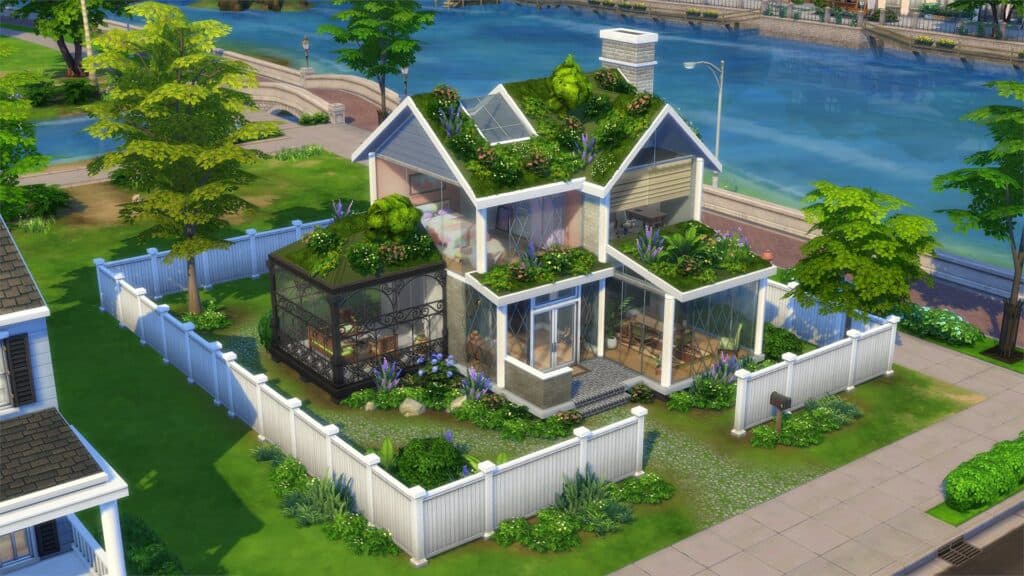
Sims 4 Building Guide Covers Planning, Layouts, Roofing, and Interior Polish
From blank lot to furnished home, building in The Sims 4 rewards players who approach it with a plan.

There's a reason so many players lose entire afternoons to build mode. The tools are deep, the creative ceiling is high, and the gap between a slapped-together box and a genuinely satisfying home build comes down to a handful of principles that, once learned, change everything. Whether you're placing your first foundation or trying to figure out why your roof looks wrong, the path from beginner to intermediate builder is a series of small, learnable steps.
Start with a plan before you place a single wall
The instinct for most new builders is to jump straight into the lot and start dragging walls. Resist it. Before you touch the build tools, think about what your Sim actually needs: how many bedrooms, whether you want an open-plan living space or defined rooms, and how the lot size will shape the footprint. Sketching a rough layout, even on paper, saves enormous amounts of backtracking later. A house that feels coherent from the outside usually started as a coherent idea before the first wall went down.
Lot size matters more than beginners expect. A 20x15 lot demands a very different approach than a 40x30, and trying to cram the same floor plan into both produces cramped, awkward results. Decide early whether you're building up or out, since multi-story builds free up ground space but introduce roofing complexity that has to be planned for from the start.
Getting the floor layout right
Floor layout is where the architecture actually lives. The most common mistake is building every room the same size, which produces a floor plan that feels like a grid of identical boxes. Real buildings, and convincing Sims builds, mix room proportions: a wide, shallow kitchen that opens into a taller living area reads as intentional design rather than default behavior.
Think about traffic flow as you place walls. Sims need to move through the house logically, and a bedroom that can only be accessed by walking through the kitchen creates routing headaches and kills the atmosphere you're trying to build. Hallways are underused in beginner builds; a short corridor between the sleeping and living areas gives the house a sense of depth and scale that open-plan layouts sometimes sacrifice.
Foundation height is a detail that beginners often skip but intermediates treat as essential. Raising the foundation, even by one or two clicks, lifts the house off the ground plane and makes the exterior read as a finished building rather than a floor plan sitting on grass. It also unlocks the ability to add proper front steps and a porch, which does more for curb appeal than almost any other single decision.
Roofing without losing your mind
Roofing is where most beginner builds stall. The roof tools in The Sims 4 are powerful but not intuitive, and the default auto-roof option rarely produces anything that looks intentional. The key insight is that complex rooflines are built from multiple simple roof pieces layered and overlapped, not from a single roof that covers the whole structure.
Start with the largest section of the house and place a basic gable or hip roof over it. Then address smaller wings, extensions, and bays separately, using roof pieces at different heights and pitches to create the layered look that makes a build feel architecturally considered. Don't be afraid to use flat roof sections as connectors between pitched elements, particularly on modern or contemporary builds where a mix of roof types reads as a design choice rather than a workaround.
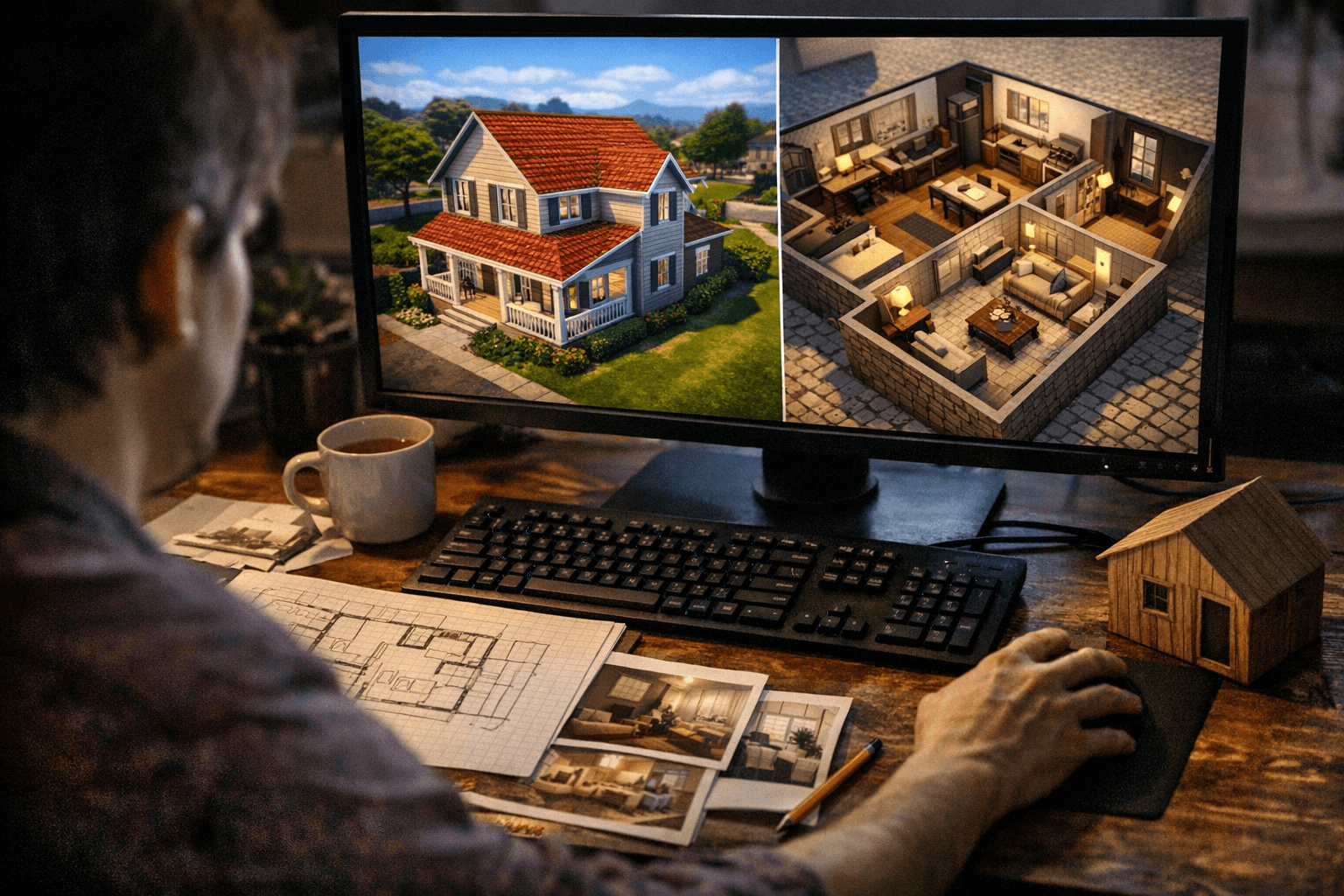
Eave depth and roof pitch control how dramatic or restrained the roofline feels. Steeper pitches with deeper eaves lean into a cottage or Victorian aesthetic; shallower pitches with minimal eaves push toward mid-century modern or contemporary. Matching the pitch to the overall design intention prevents the roof from fighting the rest of the build.
Interiors: where builds become homes
A solid exterior shell means nothing if the interior feels like a furniture showroom. The difference between a house that looks lived-in and one that doesn't usually comes down to layering: rugs anchoring seating areas, art on walls at eye height, shelving that holds clutter objects rather than sitting empty, and lighting that mixes ambient, task, and decorative sources rather than relying on a single overhead light per room.
Scale is the interior decorator's equivalent of foundation height. Furniture that's too small for a room makes the space feel empty; furniture that crowds a room makes it feel cluttered. A sectional sofa and a coffee table that properly fills a living space creates a room that reads correctly at the camera angles Sims players actually use. Getting comfortable with the bb.moveobjects cheat, which allows freeform object placement, opens up arrangements that the default grid simply won't permit.
Color and material coherence matters more than individual piece quality. A room furnished entirely with mid-range items that share a consistent palette and material language will look better than a room mixing high-end pieces in conflicting styles. Pick a primary material (wood tones, for example) and a secondary accent material, then run them through the room in the cabinetry, the flooring, and the soft furnishings.
Final polish: the details that separate good builds from great ones
Final polish is the stage most players skip because the build already looks finished enough. It isn't. This is where you add window trim, vary the wall cladding between floors, place exterior lighting, add a mailbox and landscaping that actually suits the house style, and check every room at ground-level camera to catch floating objects, clipping furniture, and wall seams that only show at certain angles.
Landscaping is chronically undervalued. The ground around a house tells the story of who lives there, and a bare grass lot with a single tree reads as a placeholder, not a finished build. Define a front path, place garden beds against foundation walls to break the hard line between building and ground, and use fencing or hedging to give the lot a sense of boundary and intention.
Interior ceiling details, decorative trim pieces, and exposed beams are the kind of additions that make a build feel like it has a history. They're the last things placed and often the details that other players notice first when they download the lot or see screenshots. Building in The Sims 4 rewards the patient eye: the more closely you look at real buildings and ask why they look the way they do, the more deliberately you'll build.
This article was produced by Prism’s automated news system from verified source data, official records, and press releases, then run through automated quality and moderation checks before publishing. The system is built and supervised by the people who set the standards it runs under. Read our full AI policy.
Did this article answer your question?