$70 DIY Micro Hotel Turns Tiny Living Into a Flexible Build
For about $70, the Micro Hotel sells a tiny-build blueprint that can become a bedroom, office, or lounge, but the real cost comes in materials, tools, and permits.
The $70 entry point is not the house, it is the plan
For about $70, the Micro Hotel gives tiny-living fans something unusually cheap: a buildable idea instead of a finished unit. That price is the hook, but the real story is the gap between buying plans and actually building a structure that can work as a guest room, office, lounge, or mobile bedroom.
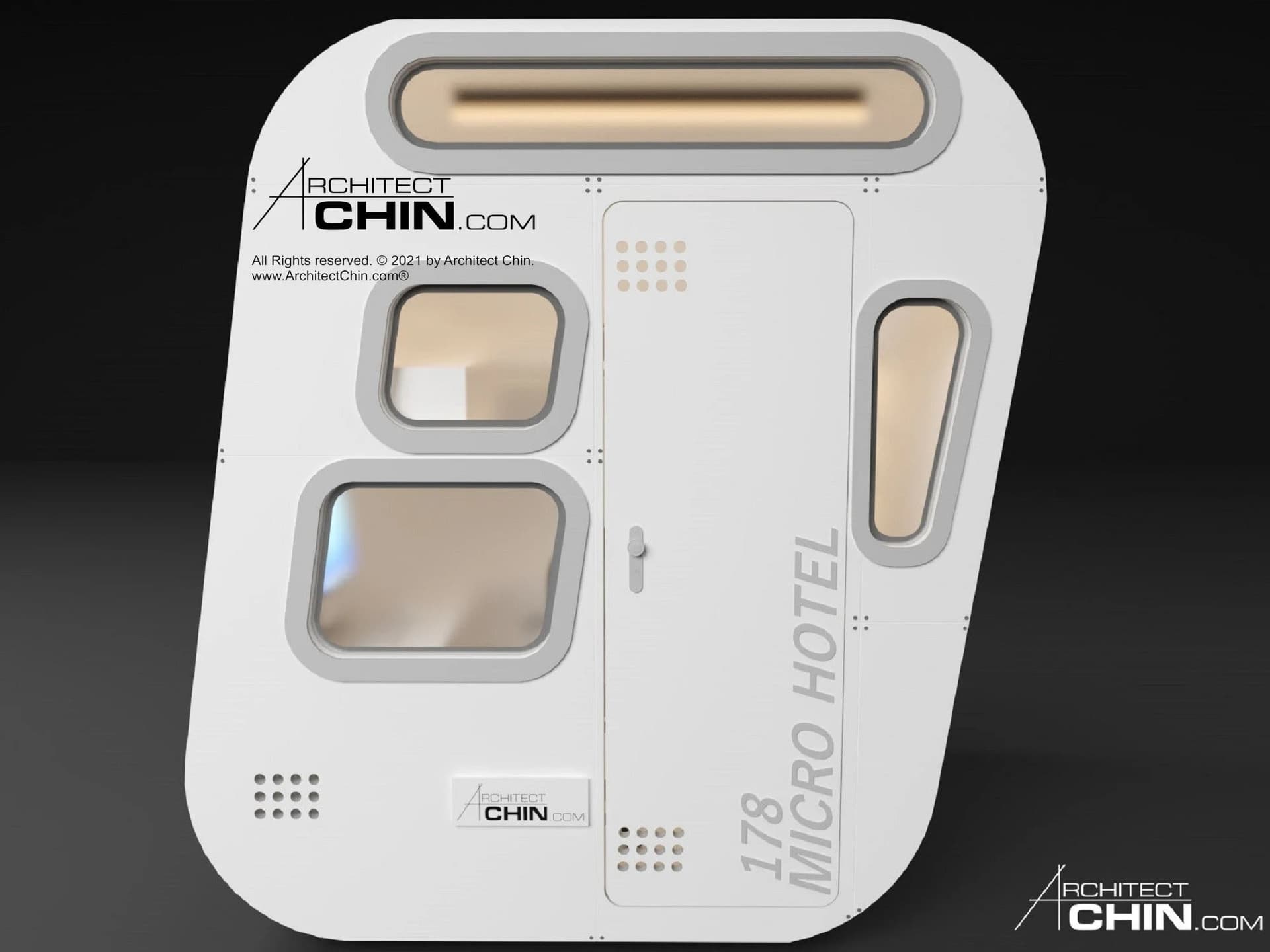
Autoevolution’s May 4, 2026 product story puts the Micro Hotel in a very specific lane. It is the smallest living module from ArchitectChin, and it is sold as a DIY plan set, not as a turnkey tiny house that arrives ready to use. That makes it less of a consumer appliance and more of a serious construction project wrapped in a low-cost download.
What you actually get for the money
The plan package reportedly includes the pieces a builder needs to start, not the finished shell itself. That means measurements, CAD images, and a materials list, while the trailer and construction materials still have to be sourced separately. In other words, the $70 buys the blueprint logic, not the physical structure.
That distinction matters because the Micro Hotel is designed to be flexible. Depending on how the builder interprets the plans, it can function as an accessory room, a work pod, a guest space, or a small mobile retreat. The appeal is obvious: one compact module can solve several space problems without forcing a buyer into the price and commitment of a full tiny house.
- Measurements give the layout
- CAD images help with visualization and fabrication
- A materials list points the builder toward the real shopping cart
- The trailer requirement keeps it in the mobile category
Why this is aimed at serious DIYers
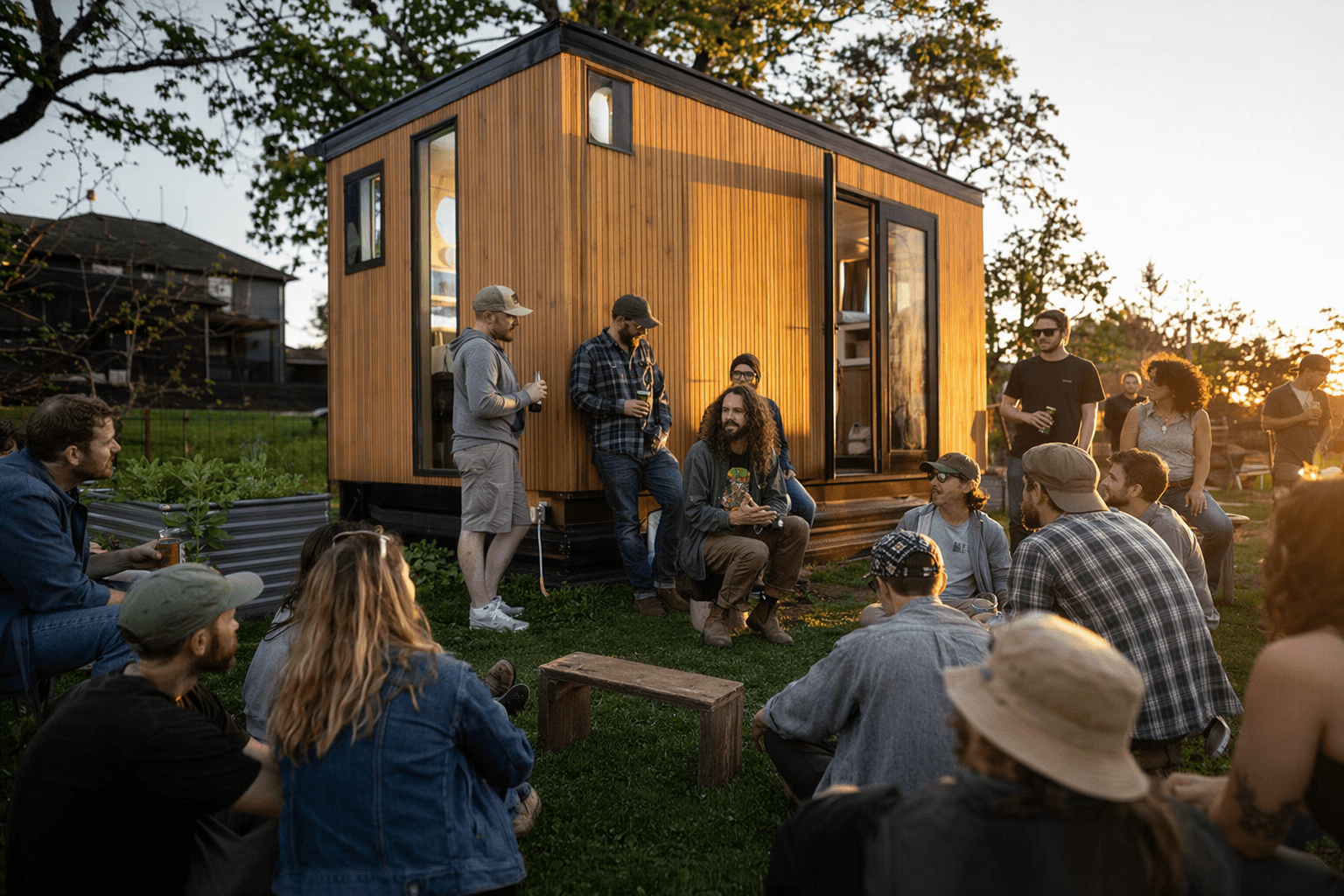
The cheap plan price can make the Micro Hotel look approachable, but the build itself is not casual weekend furniture assembly. Autoevolution says it would likely require wood or metal framing, cement fiber boards, MDF boards, plywood, and at least some comfort with tools and welding. That is a clear signal that this is meant for builders who already know their way around a workshop.
ArchitectChin frames the concept as a time-and-labor saver, saying, “We designed this house for Time, Labor and Costs savings.” That message fits the product pitch, especially if the builder is looking to do some work in parallel rather than treating the entire project as a one-person garage experiment. Even so, the practical reality is that the cheapest part of the build may be the plans themselves.
For readers trying to judge whether this is a real shortcut, the answer is mixed. It is a shortcut in design and decision-making, because the layout and basic structure are already mapped out. It is not a shortcut in skill, material sourcing, or finish work, and it does not erase the labor that turns a drawing into a usable space.
Where the savings may disappear
The biggest question with any ultra-low-cost plan set is not whether it is affordable on paper, but what happens once the build begins. A trailer, framing, boards, fasteners, and finishing materials can quickly push costs well beyond the initial $70. Add welding equipment, tools, and the time required to do the work properly, and the entry price starts looking more like the cost of admission than the cost of the project.
Mobility also adds complexity. A structure meant to ride on a trailer has to be thought through differently from a fixed backyard room, especially if the goal is to use it as a guest unit, office, or retreat in a way that feels durable and practical. Builders will want to think carefully about weight, fit, and whether the final version really matches the flexibility promised by the plans.
How it fits the broader tiny-home conversation
The Micro Hotel is interesting because it sits between tiny-house culture, modular building, and utility shelter. It is not trying to be a fully styled showroom dwelling; it is trying to be a compact, adaptable answer to a very specific problem. That makes it part of a larger shift in the market, where some buyers want smaller homes and others want ultra-compact modules that solve one job very cheaply.
That shift is also happening alongside a push for clearer standards. The International Code Council says it has been working with the Tiny Home Industry Association on standards for tiny houses for permanent occupancy, which reflects the industry’s ongoing effort to make tiny homes easier to design, inspect, and regulate. A product like the Micro Hotel lives right in that tension between freedom to build and the need for recognized rules.
Why ADUs still matter here
Accessory dwelling units remain a useful reference point for understanding where tiny-house-style projects fit in U.S. housing. The Federal Housing Finance Agency held a public listening session on September 14, 2021, to learn how ADUs could help address housing supply shortages across the country. In California, the California Housing Finance Agency describes ADUs as an innovative, affordable, and effective way to add much-needed housing, including extra living space or rental income potential.
That policy backdrop matters because the Micro Hotel is not just a quirky design exercise. It lands in the same conversation about affordability, flexibility, and how to create small-scale space without committing to a full conventional build. The more homeowners, cities, and regulators treat compact units as legitimate housing tools, the more products like this gain relevance.
Who this build makes sense for
The Micro Hotel is best suited to readers who want a low-cost entry point into custom building and already have some fabrication confidence. It is especially appealing if the goal is to create a mobile room that can shift between uses, from office to guest space to lounge, without paying for a fully finished tiny house. The structure’s real value is not that it is cheap in the broad sense, but that it lowers the barrier to starting.
That makes it a sharp example of where tiny living is headed next. The design is small, the plan price is tiny, and the ambitions are bigger: flexible space, DIY control, and a path into compact living that starts with a blueprint instead of a mortgage-sized commitment.
This article was produced by Prism’s automated news system from verified source data, official records, and press releases, then run through automated quality and moderation checks before publishing. The system is built and supervised by the people who set the standards it runs under. Read our full AI policy.
Did this article answer your question?