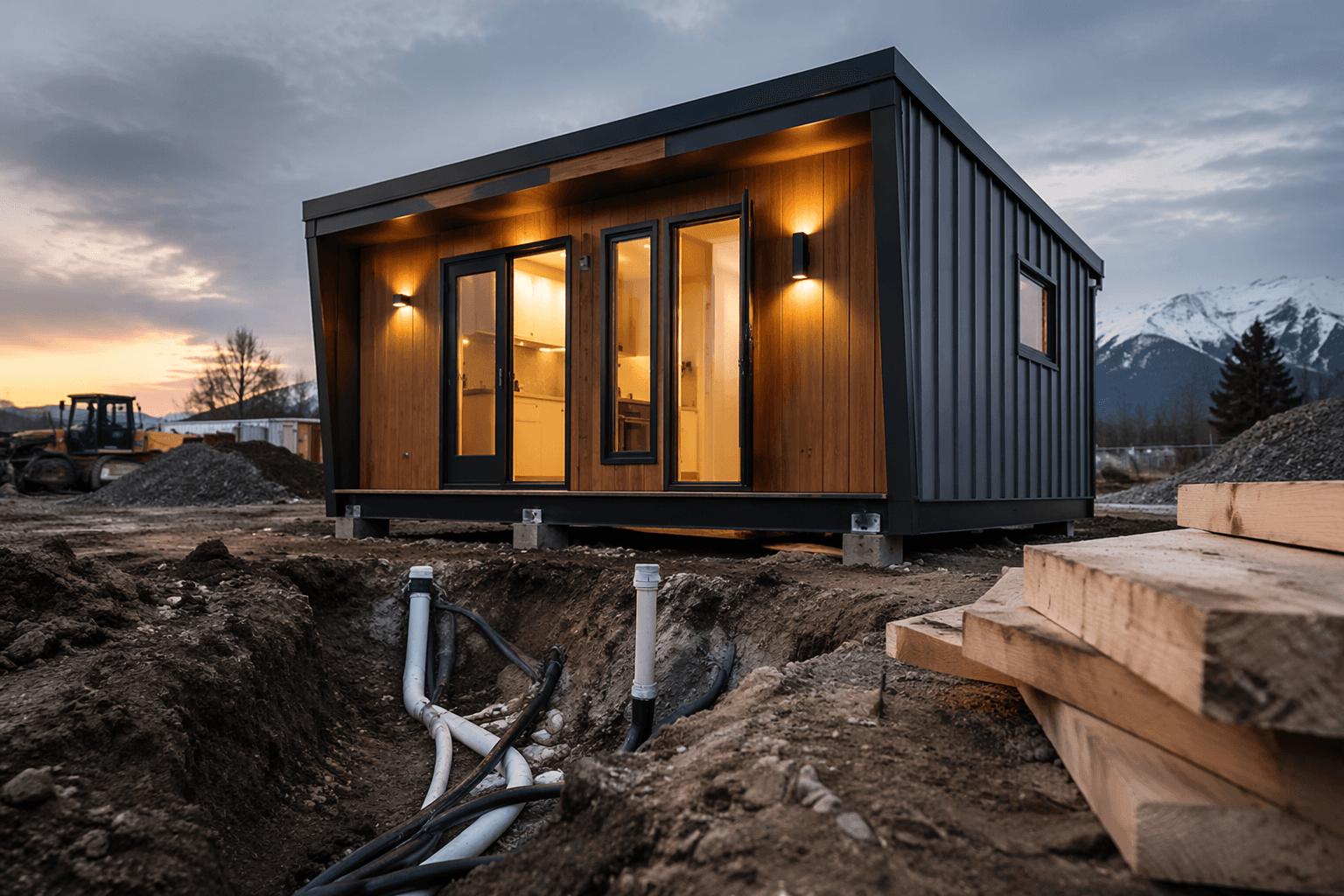
Tiny House Movement Gains New Urgency Amid Housing Crisis
Bozeman’s 19-home Housing First Village shows tiny houses can work, but only with land, zoning changes, utilities and services in place.

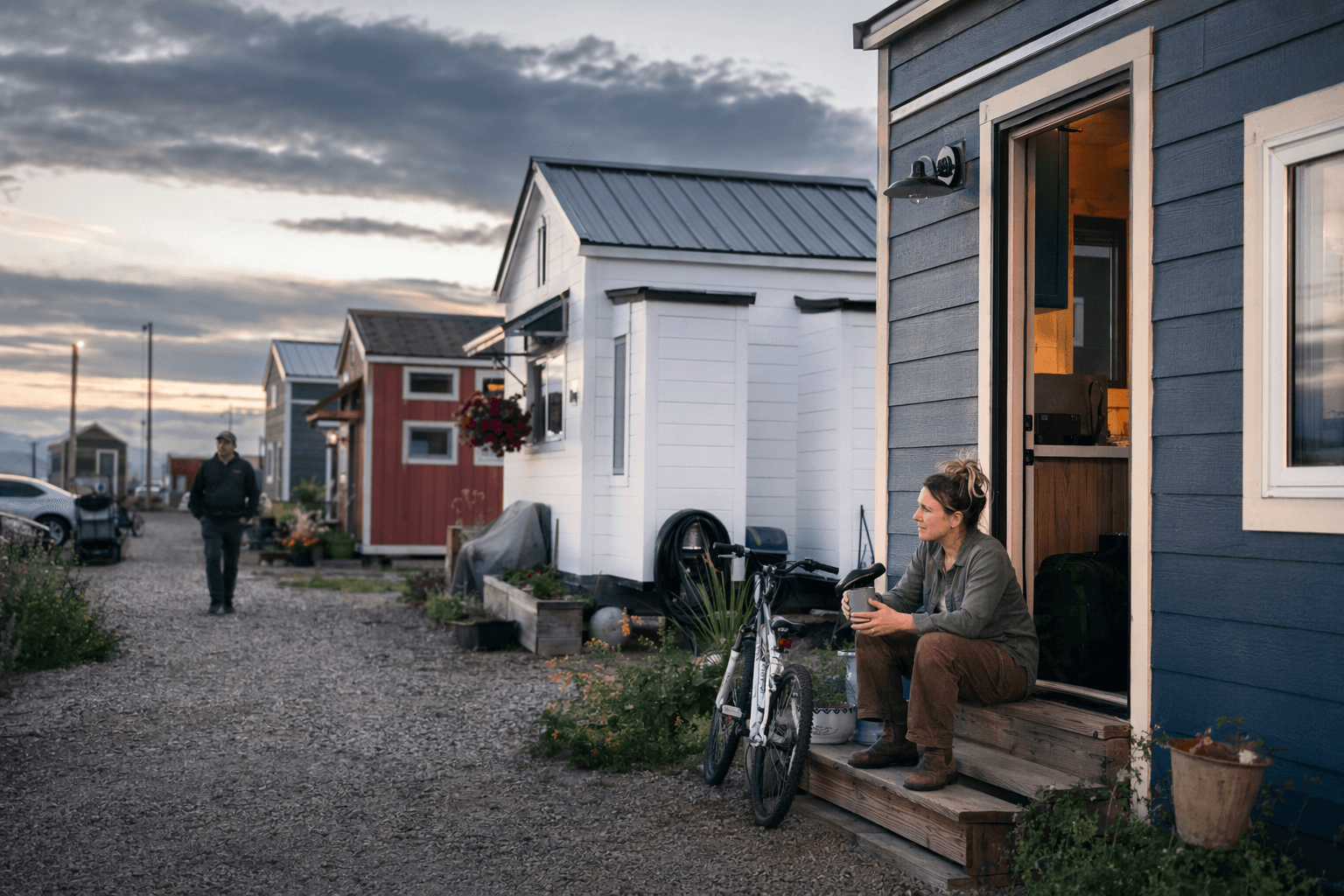
A 19-home tiny-house village in Bozeman, Montana, shows what the movement looks like when it moves from dream to deed. Housing First Village opened for tenants in November 2021 with homes sized between 130 and 250 square feet, and the project’s final design and service-model work ran for a full year, from September 2020 to September 2021, before the first residents moved in.
That kind of buildout is a sharp reality check for the viral pitch that young people can simply skip the housing market, grab land and build a micro-homestead cabin. The idea lands because the market is brutal. Harvard’s Joint Center for Housing Studies said high home prices and elevated interest rates pushed homebuying to its lowest level since the mid-1990s in its 2025 housing report. Its rental research also found a record number of renters cost-burdened, spending more than 30% of income on housing and utilities.
The urgency is not abstract. HUD released its January 2024 Point-in-Time count report on December 27, 2024, and a Harvard T.H. Chan School of Public Health panel later estimated roughly 770,000 people were homeless in the United States in the latest count, with about one-third unsheltered. That is the pressure behind the growing shift from tiny homes as a lifestyle symbol to tiny homes as an emergency housing tool.
Bozeman’s village also shows why this path is harder than the online version suggests. Urban Institute researchers said local partners worked with the City of Bozeman Planning Division to update zoning regulations so tiny homes and shelters could be allowed in more zones, while reducing community-review hurdles and limiting room for opposition. Urban also said developers tested a model tiny home with input from people experiencing homelessness to improve design, comfort and safety.
That zoning work matters because the legal and financial barriers do not disappear just because a house is small. HUD’s Minimum Property Standards still set minimum standards for buildings built under HUD housing programs, and HUD housing handbook materials cover one- and two-family dwellings and related standards. Tiny homes may fit policy goals, but depending on how they are built and classified, they can run straight into code, financing and utility requirements.
ICMA’s model codes and ordinances collection includes tiny homes and accessory dwelling units, a sign that municipalities are still deciding how to regulate them. Housing advocates see promise in the model, especially for permanent supportive housing, and the Corporation for Supportive Housing has outlined the funding and partnership ingredients that make those projects work. The appeal of tiny living is real, but the path from a cabin sketch to a habitable home still runs through land access, zoning, hookups, service providers and a city willing to say yes.
This article was produced by Prism’s automated news system from verified source data, official records, and press releases, then run through automated quality and moderation checks before publishing. The system is built and supervised by the people who set the standards it runs under. Read our full AI policy.
Did this article answer your question?