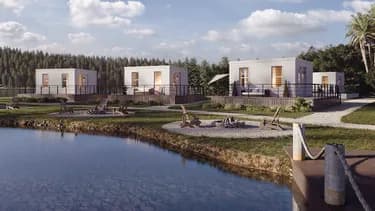
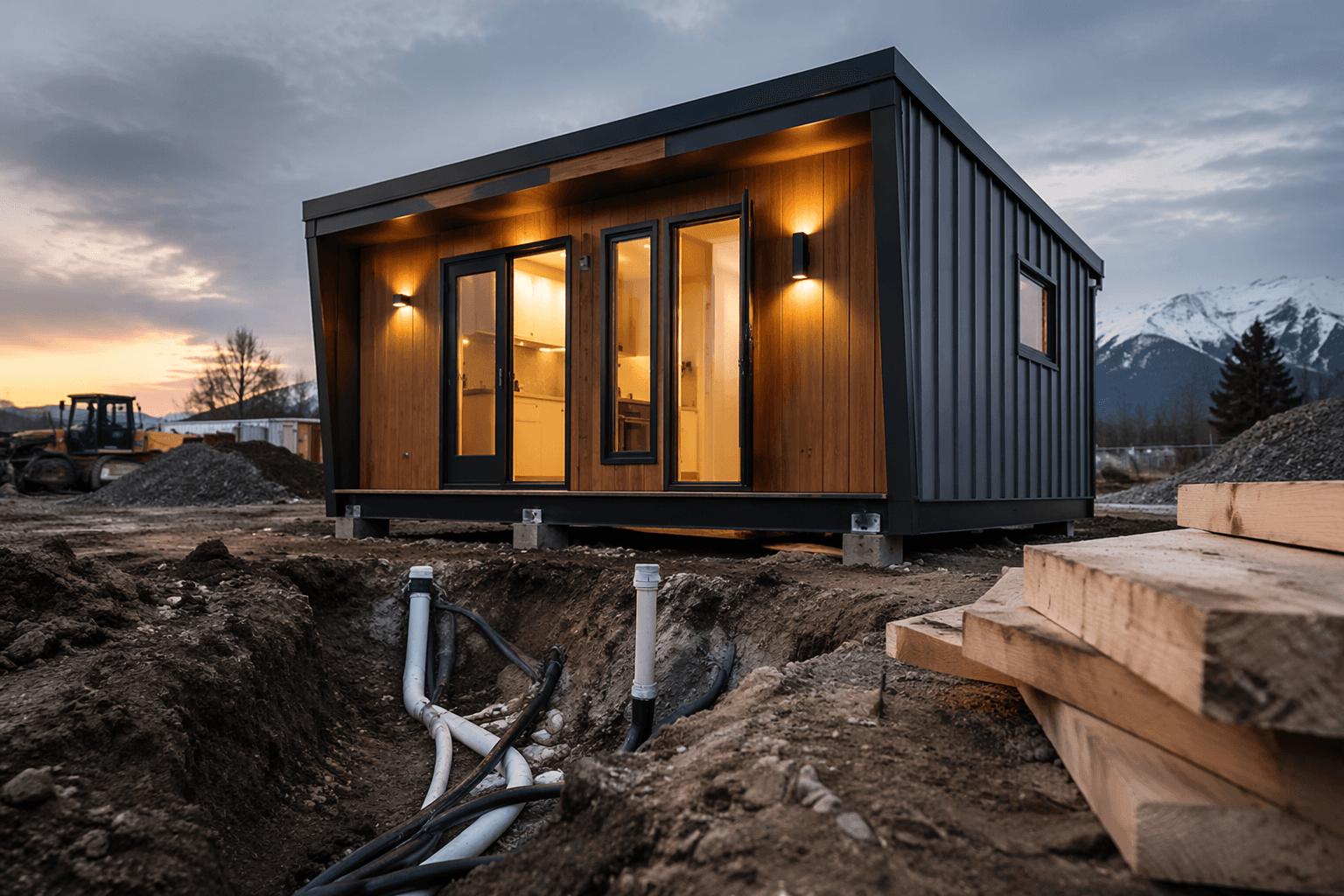
Amazon Lists Sub-$10,000 Prefab Tiny Cabins, Affordable Entry to Small-Space Living
Amazon listed prefab cabin-style tiny homes and kit models, some priced under US$10,000, offering low-cost entry to backyard cabins, off-grid retreats and DIY tiny homes.
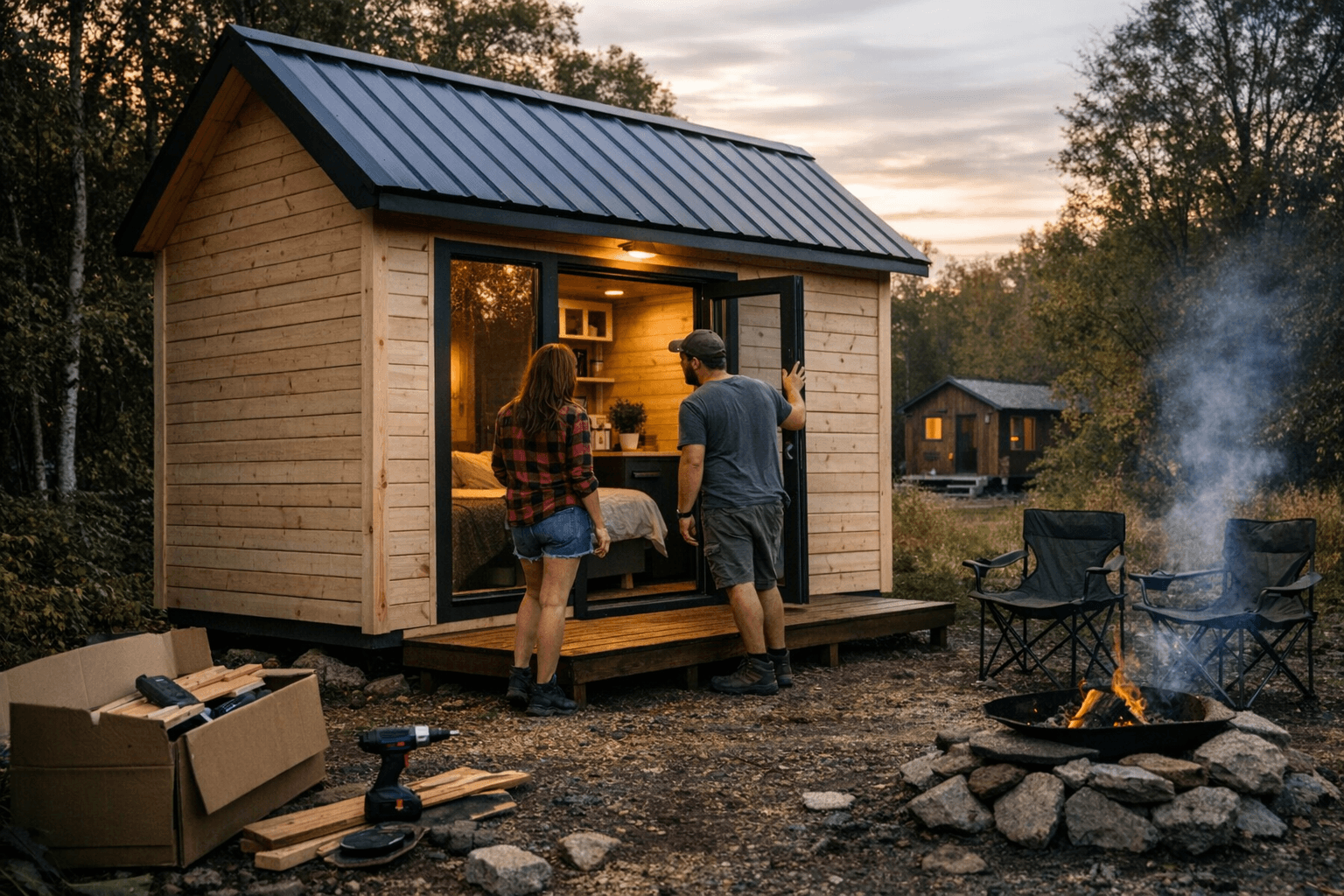
Amazon's marketplace opened a new low-cost avenue into small-space living when it began listing prefabricated cabin-style tiny homes and kit models, including some priced under US$10,000. The listings span basic shell kits up to more fully equipped modular units, making backyard cabins, off-grid retreats and DIY starter tiny homes more accessible to buyers on tight budgets.
One cabin-style model on the marketplace was advertised as offering the feel of a full-size house and included multiple sleeping areas within a compact footprint. Other offerings included bare-bones shells intended for buyers who plan to complete interior finish work, plus plug-and-play style units that arrive with more systems in place. Price points under US$10,000 mean buyers can often skip the steep upfront cost typical of factory-built tiny homes, but the lower sticker price comes with trade-offs that demand careful review.
Practical checks remain essential before clicking buy. Verify listed square footage, materials and insulation levels to understand year-round usability and comfort. Confirm delivery dimensions and weight to ensure the unit can be transported to your site and to avoid unexpected crane or flatbed costs. Read the return and warranty policies closely so you know your options if the kit arrives damaged or incomplete. Treat advertising language like "lives like a full-size house" as marketing until drawings, specifications and assembly manuals demonstrate that claim.
Regulatory compliance is equally critical. Many local jurisdictions classify kits and small cabins differently for taxes, permitting and utilities. Confirm zoning setbacks and whether your municipality requires a building permit, foundation, electrical or plumbing inspections before installing a kit as a permanent dwelling. If the plan is an accessory dwelling unit in a backyard, check local ADU rules, homeowner association covenants and required inspections; for off-grid builds, research connections or approvals for septic, well and power systems.
For hands-on builders, kit models can lower the barrier to ownership and speed up a build timeline. For less experienced owners, turnkey units may be the safer bet but carry higher costs. Either way, plan site preparation, foundation options and utility hookups early; budget for assembly labor if you cannot self-perform the work.
This shift toward sub-$10,000 prefab cabins could broaden who enters the tiny-house community by reducing financial barriers and widening the range of use cases from backyard offices to weekend cabins. The price makes experimentation easier, but the real value depends on matching a model's specifications to site realities and regulatory requirements. Compare models closely, get detailed specs and local permitting guidance, and plan for delivery and finishing costs before treating a kit as your next home.
This article was produced by Prism’s automated news system from verified source data, official records, and press releases, then run through automated quality and moderation checks before publishing. The system is built and supervised by the people who set the standards it runs under. Read our full AI policy.
Did this article answer your question?