Woman builds tiny home community for independence and safety in Texas
Robyn Yerian turned five acres near Dallas into an all-women tiny-home village with $450 lots, 14 pads, and a built-in safety net.
The Bird’s Nest in Cumby is what happens when a tiny-home idea stops being theory and becomes infrastructure. Robyn Yerian put $150,000 of retirement savings into five acres, added septic, water, electric, a paved road, and 14 concrete pads, then opened a women-only community that now gives residents both privacy and backup.
How the land turned into a working community
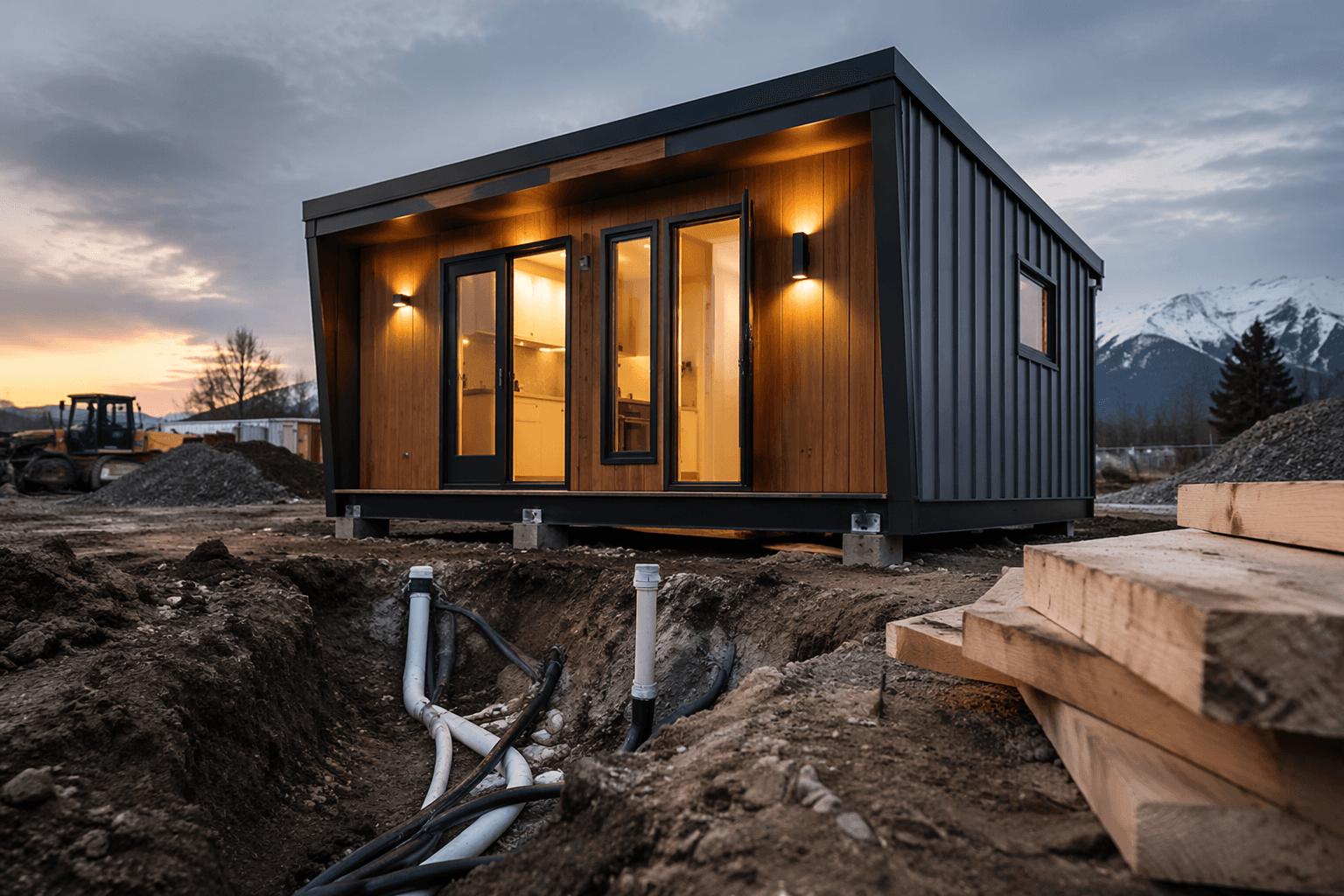
The Bird’s Nest was founded in 2022 in Cumby, Texas, about 65 miles outside Dallas and roughly 60 minutes from downtown. Yerian bought the five-acre property for $35,000 and then spent another $150,000 developing it into a legal RV park, which she says was the hardest part because many counties do not want RV parks in the first place. That zoning move is the unglamorous but decisive step that makes the whole model viable: without it, there is no pad, no lease structure, and no long-term community to speak of.
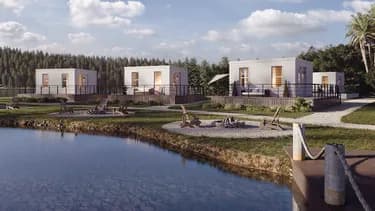
The buildout is practical, not precious. The property includes septic, electric, water, excavating, paving the road, and 14 concrete pads, each measuring 10 by 30 feet. Five acres also leaves room for the kind of shared outdoor life tiny-home communities need to feel livable, not crowded, including gardens, fire pits, and chickens. In other words, this is not a dreamy concept on a brochure. It is a site plan that had to clear county rules, utility work, and the everyday demands of full-time residents.
What residents actually pay and get
The Bird’s Nest keeps the cost structure simple. Lots rent for about $450 per month, with 12-month leases designed to encourage a calm, established community instead of a churn of short stays. That monthly rent covers water, trash, lawn maintenance, septic, and access to 30/50-amp electric, while residents pay their own electric usage bills.
For tiny-home owners and RV dwellers, that matters. The difference between a space that merely allows you to park and a place that supports living is the difference between chasing hookups and settling into a routine. The Bird’s Nest offers concrete pads, long-term leases, and shared services that remove a lot of the little stresses that can make tiny living feel fragile.
Who lives there, and why that mix matters
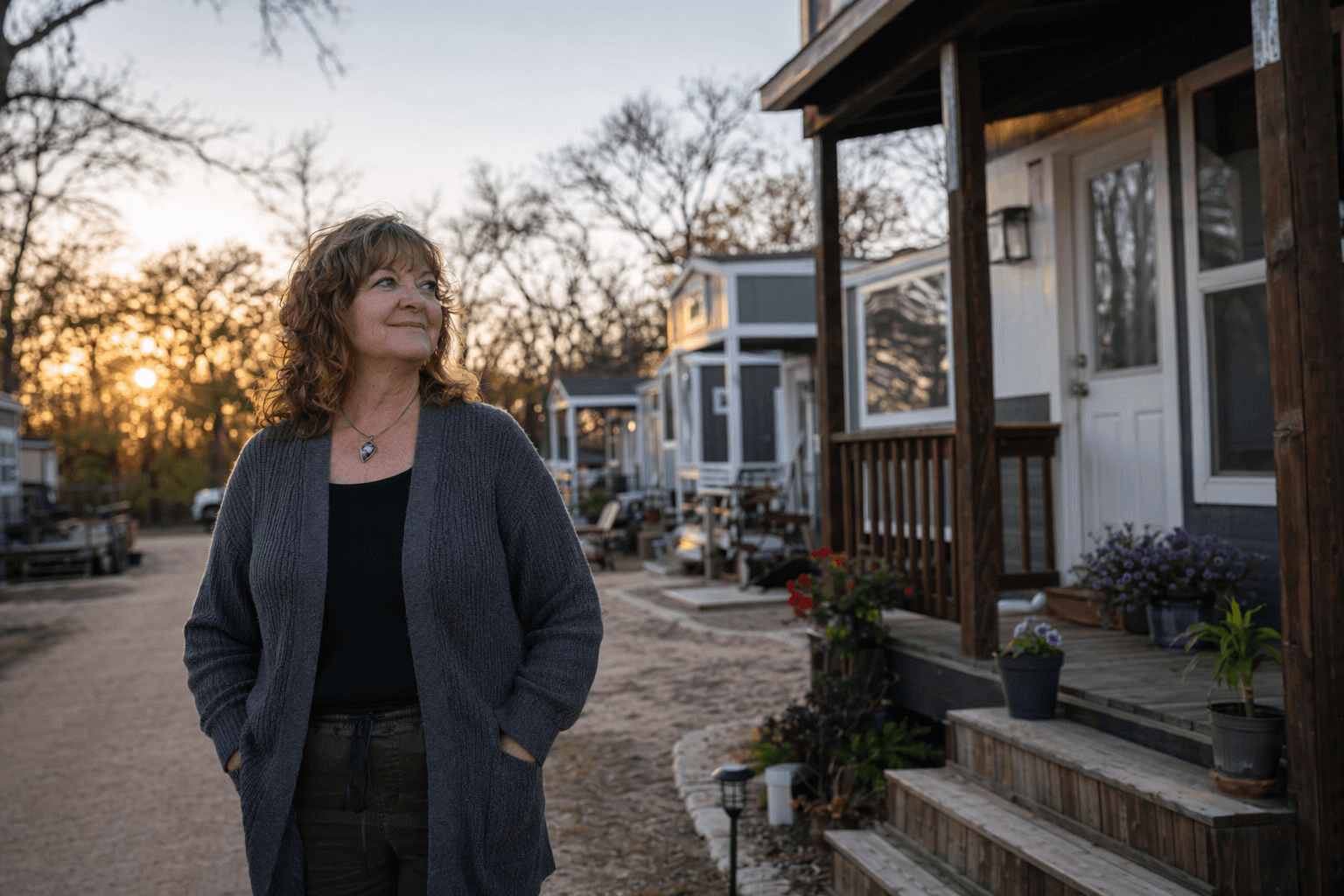
At the time of the reported interview, 11 women were living at The Bird’s Nest and there was one opening, with about 500 people interested in that last spot. The residents were in their 60s and 70s, and the community has been especially appealing to single, widowed, or divorced women looking for independence without isolation. Yerian says that many tiny-home residents are retired women on fixed incomes, and that reality helped convince her there would be a real audience for the project.
That resident mix is the point. This is not a generic tiny-home park trying to appeal to everyone who wants less square footage. It is a targeted housing model for older women who want lower overhead, more control over daily life, and a safer, more predictable environment than living alone can sometimes offer.
How the community works day to day
What keeps The Bird’s Nest from feeling like a row of separate units is the social structure. Residents share chores and meals, drive one another to medical appointments, check on each other during illness or recovery, and help with maintenance when needed. They gather in a shared outdoor kitchen and covered patio called The Kitchen, which gives the place a center of gravity beyond the individual pads.
Residents and observers describe the atmosphere as a sisterhood, and that is not just feel-good branding. One resident said she did not expect to become so close to the others, which tells you a lot about how the community functions in practice. Privacy still exists, because each woman has her own tiny home or RV setup, but the social net is real enough that everyday life becomes lighter and safer.
The rules are simple, but the screening is serious
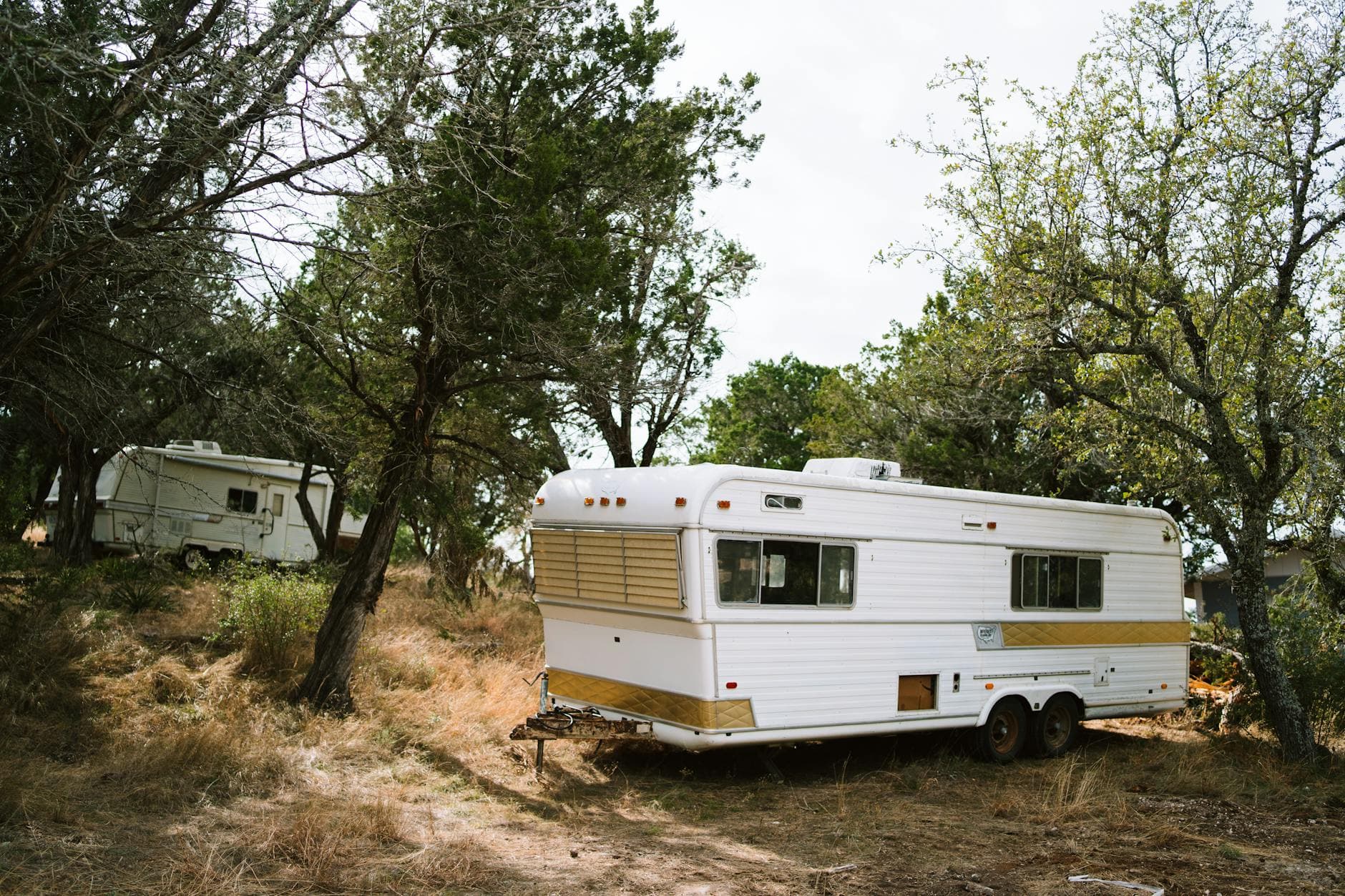
Yerian did not build this as an open-door operation. Women must meet both Yerian and current residents in person before being considered, which is a smart filter for a community built on daily coexistence rather than transactional rental income. The main rule, according to residents, is to be kind and respectful, which sounds basic until you remember that shared housing lives or dies on tone.
She also hosted builder workshops to teach women how to use power tools and table saws. That detail matters because it shows the project is not only about housing, but about capability. Tiny-home living often asks residents to be part owner, part maintainer, part problem-solver, and Yerian treated that reality as something to teach rather than assume.
What makes the model worth watching
Yerian’s own background explains why this worked. Before launching The Bird’s Nest, she had already lived in a $57,000 two-bedroom tiny home for five years, so she was not guessing about the lifestyle. The idea grew out of her desire for passive income and a more affordable retirement, but the result is bigger than a personal financial move. It is a test case for whether a women-focused, low-cost, long-term tiny-home community can hold together in a real market.
The answer so far looks promising because the ingredients are concrete and repeatable: cheap land, a workable zoning path, utility access, clear rules, modest lot rent, and a resident base that values both independence and mutual support. The hard part is not the concept. The hard part is finding land that can be zoned, funded, and managed well enough to become a place where 11 women can share meals, rides, and check-ins without losing the privacy that made tiny living appealing in the first place. The Bird’s Nest shows that when those pieces line up, a five-acre patch near Cumby can become more than a place to park. It can become a model.
This article was produced by Prism’s automated news system from verified source data, official records, and press releases, then run through automated quality and moderation checks before publishing. The system is built and supervised by the people who set the standards it runs under. Read our full AI policy.
Did this article answer your question?