Anchorage Pairs Tiny Homes With On-Site Addiction Treatment for Homeless Residents
Willow Commons, 32 tiny homes in an Anchorage parking lot, pairs same-day addiction treatment access with $500,000 in opioid settlement funding.
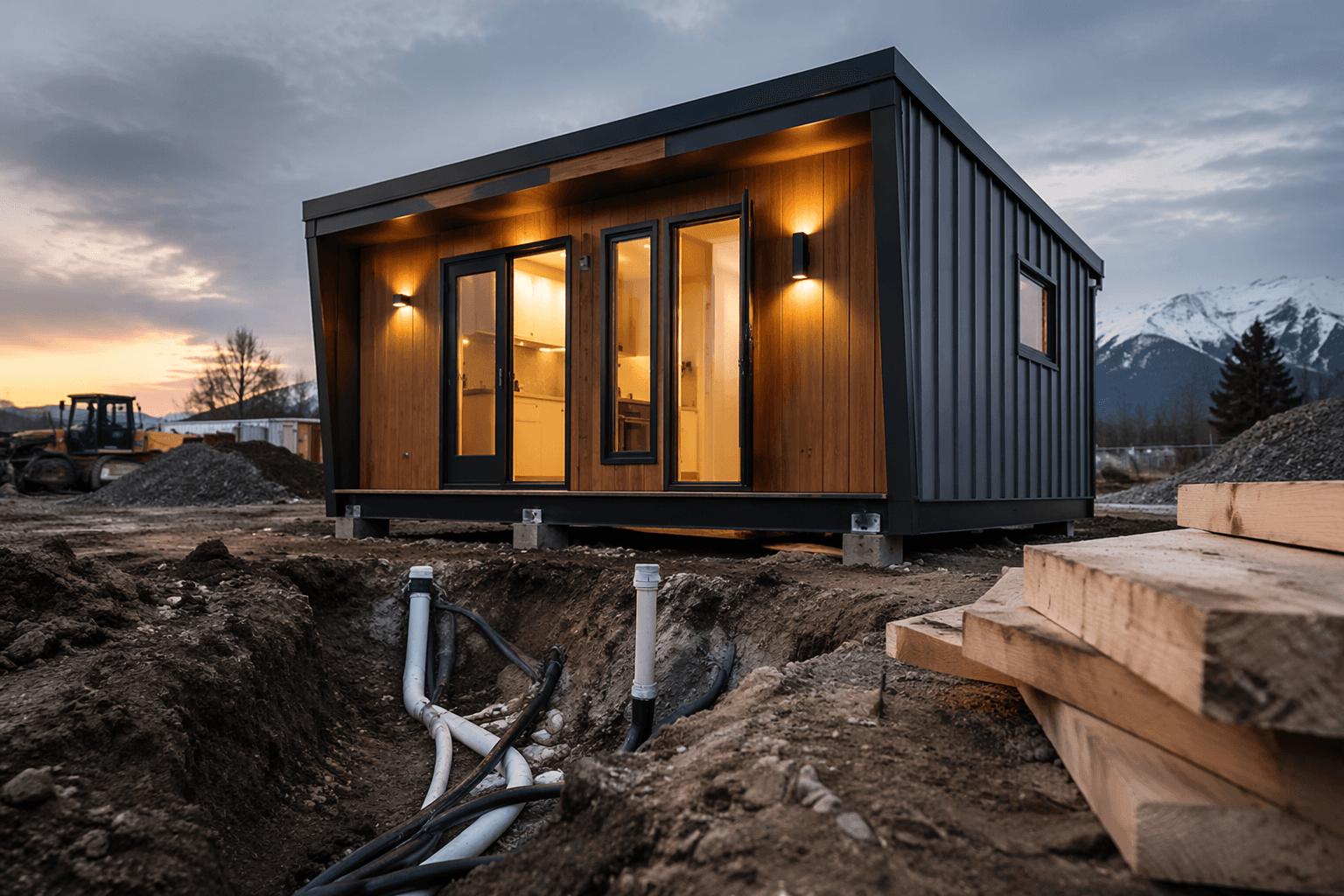
Thirty-two microunits, each measuring 96 square feet, now occupy a municipal parking lot near Tudor and Elmore Roads in Anchorage, housing the city's most ambitious experiment yet in merging tiny-home shelter with clinical addiction recovery services. The community, named Willow Commons, accepted its first residents in late March after more than a year of planning by city staff under Mayor Suzanne LaFrance's administration.
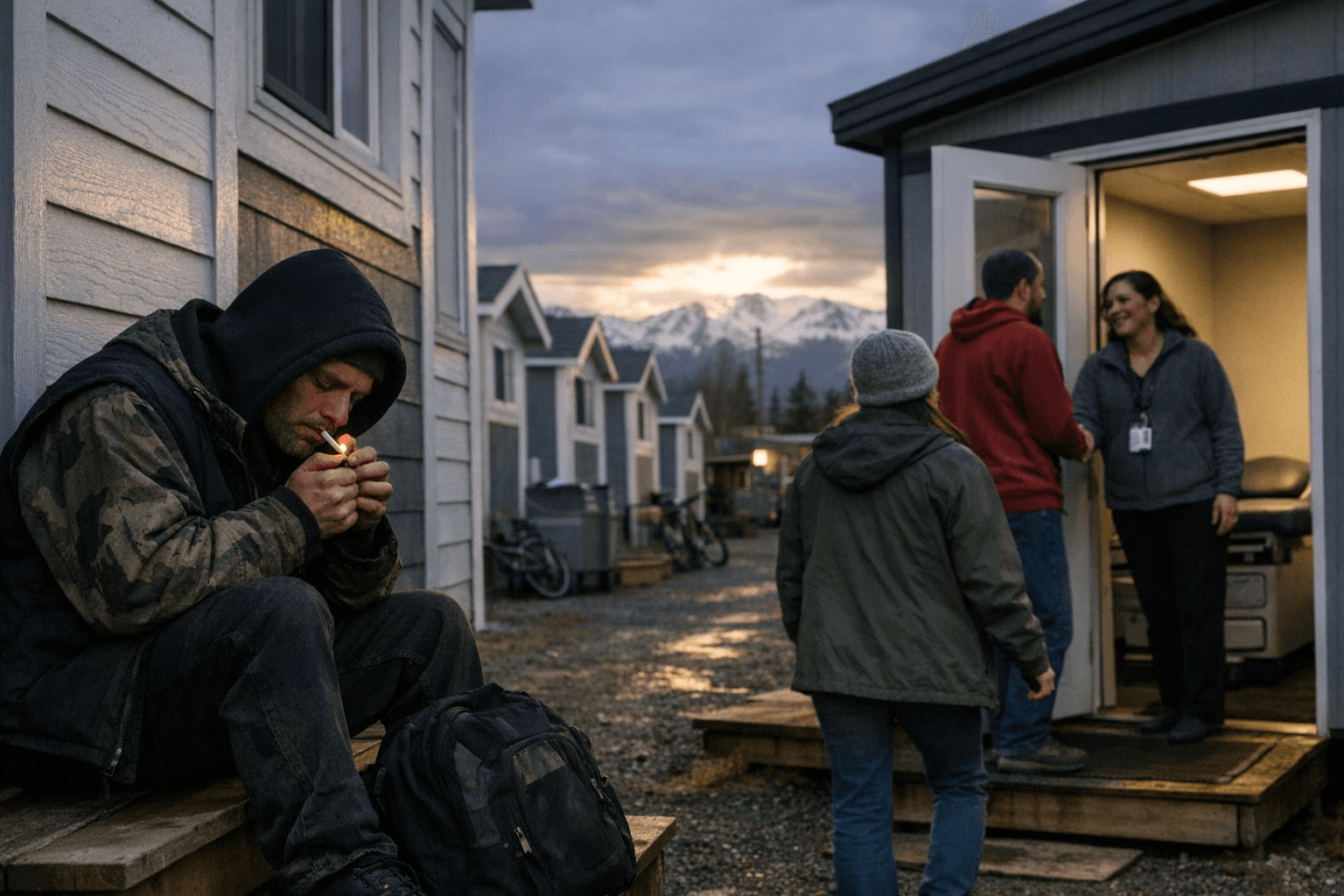
Thea Agnew Bemben, special assistant to Mayor LaFrance and the program's lead architect, has been direct about what Willow Commons is and is not. "It's not housing," Bemben said. "So, it's not an independent housing development and it's also not a shelter. It's a treatment program for people experiencing homelessness who also are engaged in treatment for their substance use or other mental health issues."
The Anchorage Assembly awarded the contract to operate the program to Anchorage Recovery Center, a local drug and alcohol rehabilitation organization. Summer Bond, representing the Recovery Center, confirmed that the program was built for rapid intake: residents must be unhoused and need addiction treatment, and if a unit is available, placement happens the same day. Participants are expected to stay six to twelve months before transitioning to permanent housing.
Start-up costs came primarily from $500,000 in opioid settlement funds allocated to the municipality. No taxpayer money was used for construction. The Anchorage Community Development Authority oversaw the project's development, and Visser Construction assembled the units.
For Bemben, the program's design addresses a pattern visible in Anchorage's own homeless data. "What we find is that when people remain unsheltered for a very extended period, oftentimes having a behavioral health issue is part of what's keeping them unsheltered," she said. Willow Commons attempts to break that cycle by placing a roof and a case manager in the same location, eliminating the navigation burden that causes many people to fall out of care.
The program is structured as a two-year pilot with room to scale. Because the microunits are temporary structures, the municipality can relocate them at the end of the pilot period if the site changes. If Willow Commons produces measurable improvements in treatment retention and permanent housing placements, it will sharpen the case that tiny-home villages work best when clinical services are built in from day one, not added as an afterthought.
This article was produced by Prism’s automated news system from verified source data, official records, and press releases, then run through automated quality and moderation checks before publishing. The system is built and supervised by the people who set the standards it runs under. Read our full AI policy.
Did this article answer your question?