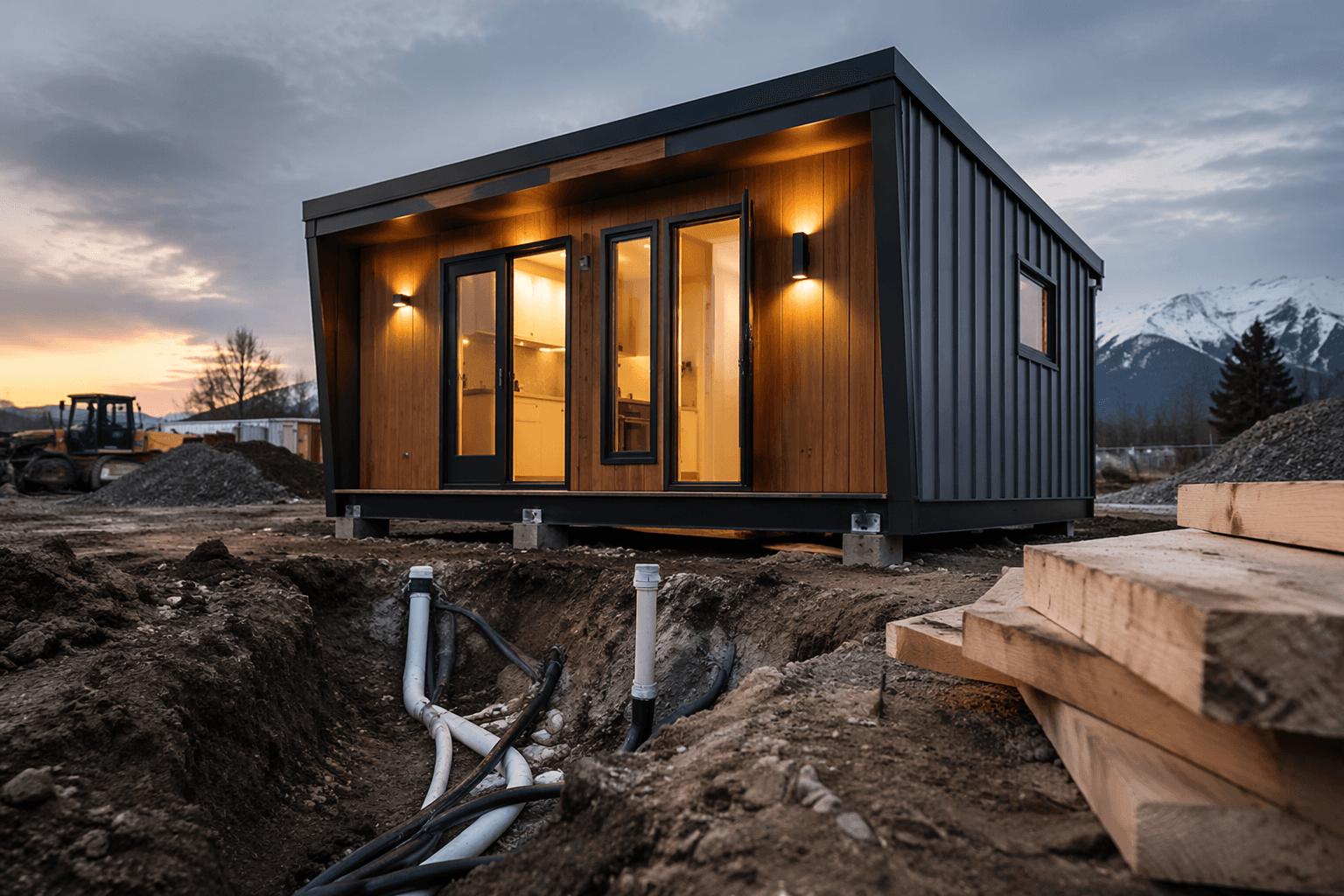
Architect backs tiny houses as one tool for housing crisis
Tiny houses are back in the housing debate as the U.S. faces a shortage of at least 1.5 million homes, with some estimates near 4 million. The real barrier is not the footprint, but zoning, codes and financing.
Architect @Architectolder is pushing tiny houses as part of an all-hands answer to the housing crisis, and the numbers behind that pitch are hard to ignore. HUD said in its FY2024 budget materials that the United States faced an estimated shortage of at least 1.5 million housing units, while Realtor.com’s 2024 analysis put the gap at nearly 4 million homes. At that pace, Realtor.com said, it would take about 7.5 years to close the shortage.
That is the kind of gap that keeps tiny homes in the conversation. The appeal is obvious: a smaller build can be cheaper, faster to place on a lot and more flexible than a conventional house, which is why architects and housing advocates keep returning to builders like Modern Tiny Living when they talk about compact solutions. But the housing stack is where tiny houses usually land, not where they replace everything else. They work best as one tool, alongside zoning reform, code updates, accessory dwelling unit policies and financing that does not treat a 300-square-foot home like a problem instead of a product.
The research on the subject keeps circling back to the same obstacle: rules. A Harvard Law Journal article argued that tiny homes can help alleviate affordable housing pressure because of their affordability and versatility, but said municipalities need to amend zoning and building codes to allow dwellings under 400 square feet. Researchers say the biggest barriers are building codes and zoning ordinances, and those rules ripple into insurance, financing, parking and even repairs. HUD has also said many of the markets with the most severe affordable-housing shortages are the ones with the most restrictive regulatory barriers, which explains why tiny-house ideas often stall before a shovel ever hits dirt.
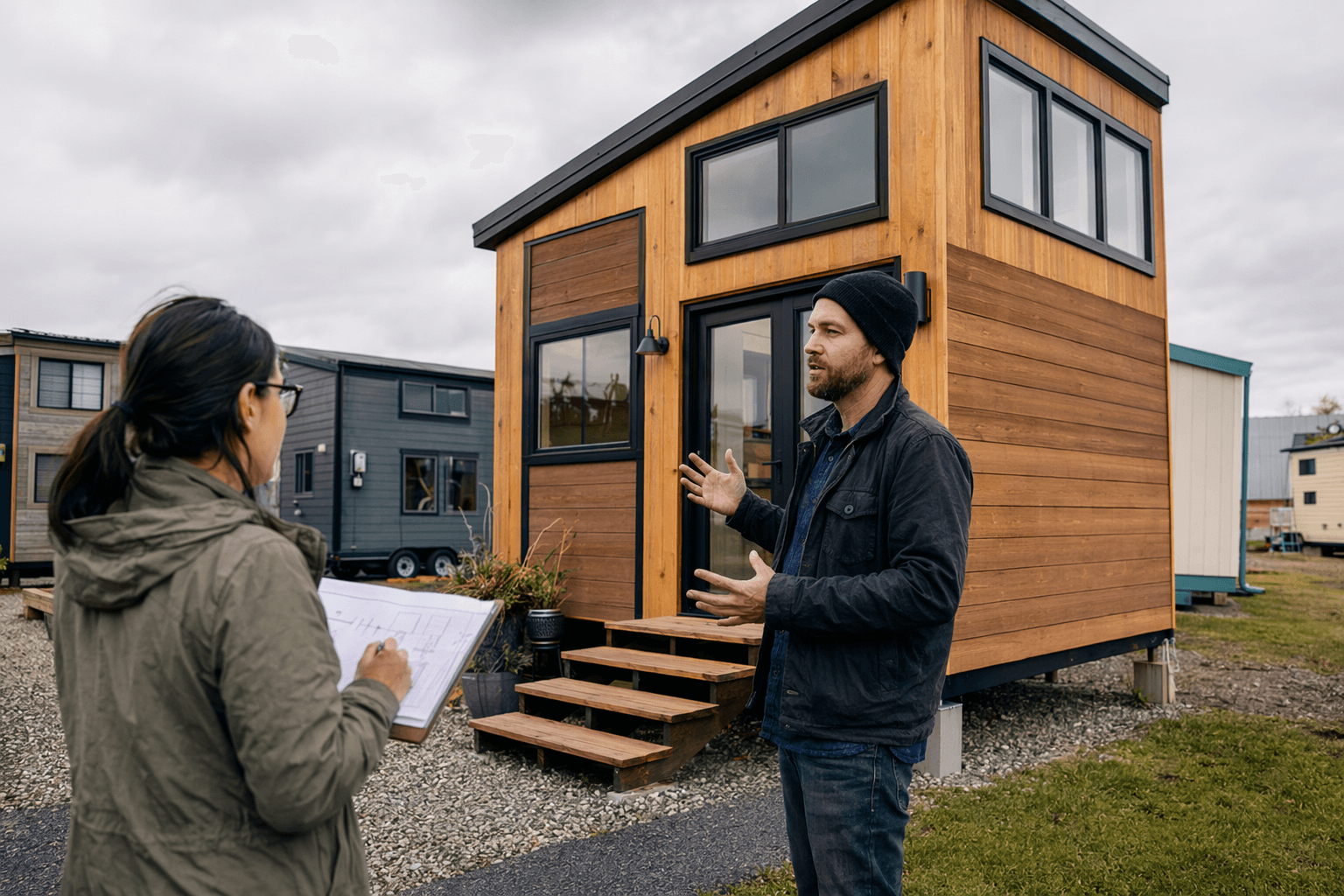
The movement itself is not new. Caroline Bartlett Crane, a sociologist and social reformer, designed an award-winning tiny home in Kalamazoo, Michigan, in 1924, a reminder that the appeal of smaller living has always overlapped with reform, design and necessity. Today, the strongest use cases are not the same for every buyer. Tiny-home villages can serve residents facing housing insecurity, including homeless residents and veterans, while individual tiny homes can work as an entry point for people priced out of larger houses or as an accessory dwelling on an existing lot.
Still, the objections are just as familiar as the enthusiasm. Residents worry about parking, neighborhood character and whether a tiny-home village can stay stable over time. That tension is why the tiny-house pitch keeps coming back to the same conclusion: tiny homes can help, but only in places willing to make room for them in zoning, lending and local land-use rules.
This article was produced by Prism’s automated news system from verified source data, official records, and press releases, then run through automated quality and moderation checks before publishing. The system is built and supervised by the people who set the standards it runs under. Read our full AI policy.
Did this article answer your question?