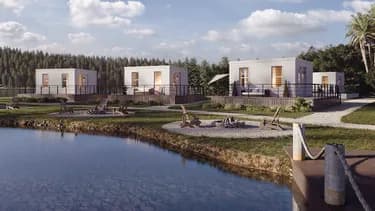
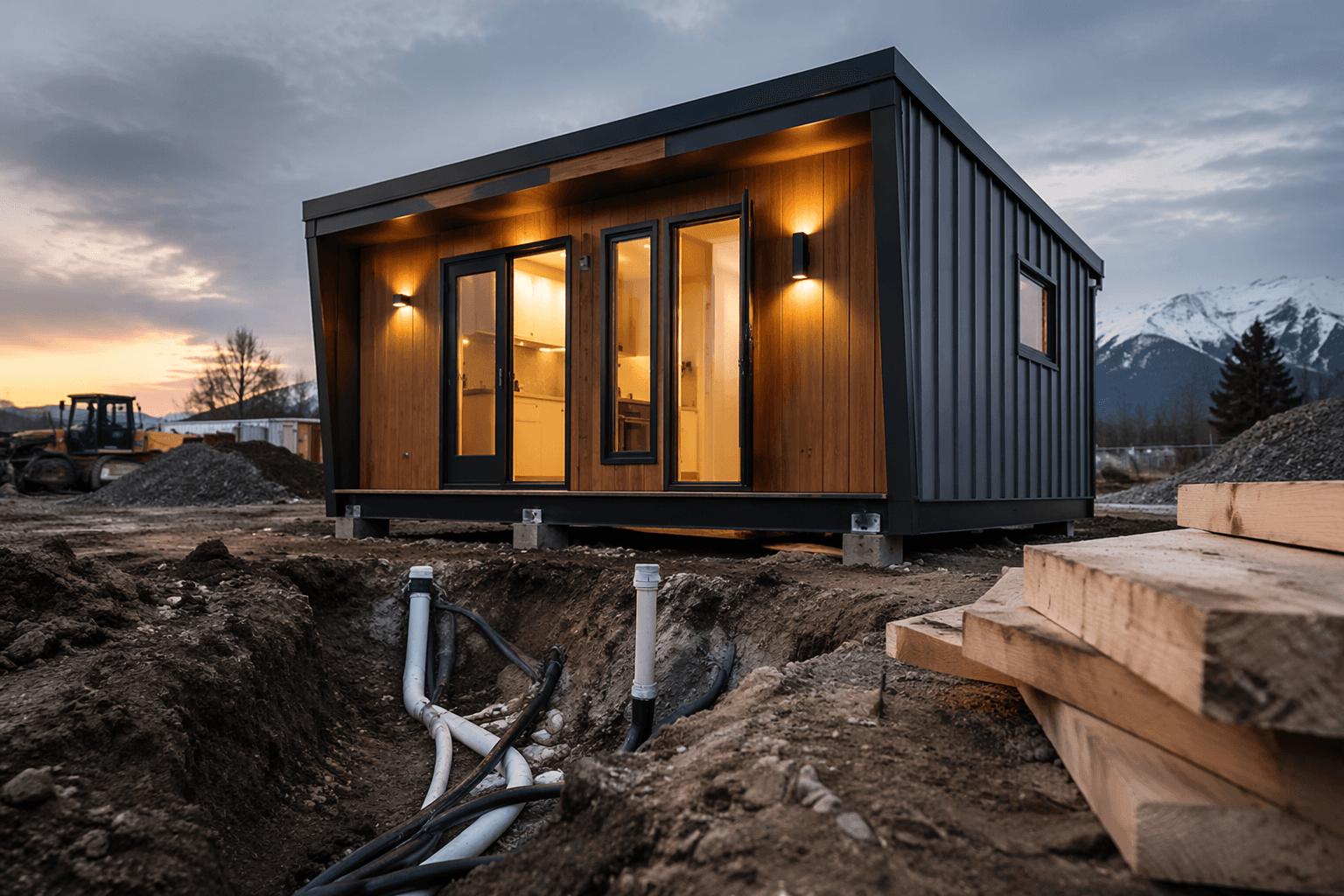
Raleigh Beltline site sold, plans approved for six tiny homes
A Beltline site inside Raleigh sold with approvals for six tiny homes, turning the city’s missing-middle rules into a real infill test.
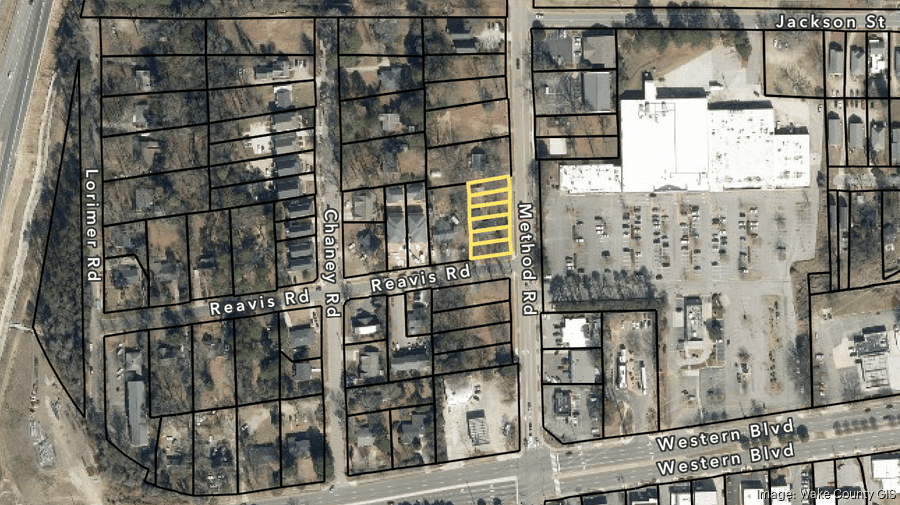
The compact site inside Raleigh’s Beltline changed hands with approvals already in place for six tiny homes, a small but pointed test of whether the city’s newer housing rules can produce more units on tight urban land. In a corridor where every buildable lot matters, the project puts Raleigh’s tiny-house code, and its promise of faster infill, into practice.
Raleigh now explicitly treats tiny houses as a housing type, defining them as buildings with no more than an 800-square-foot footprint and no more than 1,200 square feet of gross floor area. Under the city’s Unified Development Ordinance, a series of tiny homes can also sit on a single lot as part of a cottage court, with the homes sharing a common courtyard. That framework gives this Beltline parcel a path that did not exist under the city’s older zoning approach.
The timing matters. Raleigh adopted TC-5-20 in summer 2021 and TC-20-21 on May 10, 2022, with TC-20-21 taking effect on August 8, 2022. Those missing-middle changes were designed to add more housing choices in established neighborhoods and near transit, especially in places where detached single-family homes had been the default. The city says more than 50% of Raleigh previously prohibited multi-family housing before those text changes, even as the region kept adding residents and prices climbed.
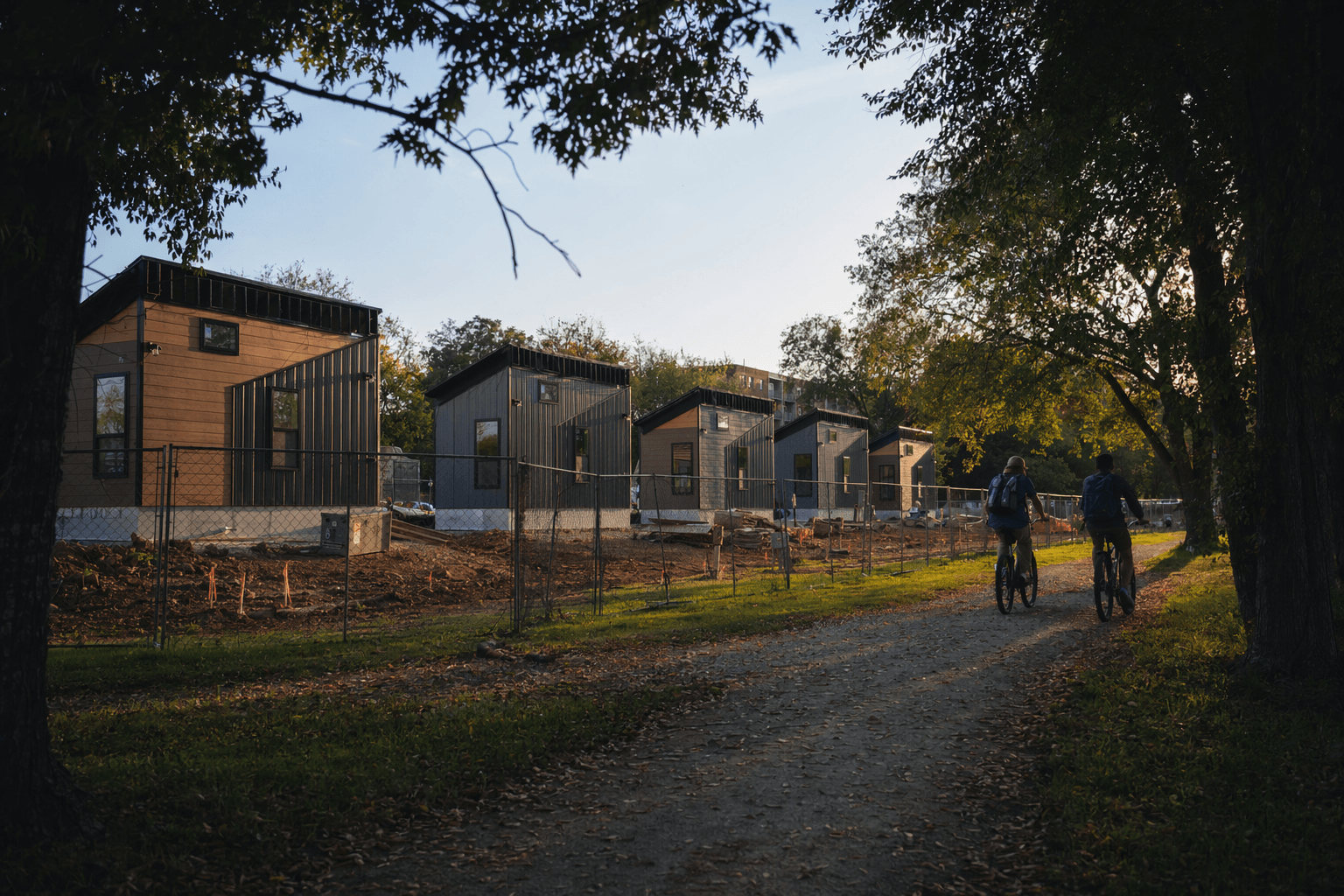
Raleigh has also said that missing-middle housing is often more accessible and affordable than detached single-family housing, and the pressure is not abstract. More than 33% of Raleigh households are cost-burdened or severely cost-burdened, according to the city’s housing materials. A six-unit tiny-home project on a Beltline lot does not solve that problem by itself, but it does show how the city now wants smaller homes, more units, and less wasted land to work together in the urban core.
The site also lands in a part of Raleigh the city has been steering toward more density. Raleigh’s Transit Overlay District is meant to support housing around planned Bus Rapid Transit corridors, including New Bern Avenue, Western Boulevard, and South Wilmington Street. That makes the Beltline location especially notable: it sits inside the kind of growth area Raleigh has been trying to shape with its new zoning, where tiny homes may prove they can move faster, fit better, and pencil out more realistically than conventional small-scale housing on constrained city land.
This article was produced by Prism’s automated news system from verified source data, official records, and press releases, then run through automated quality and moderation checks before publishing. The system is built and supervised by the people who set the standards it runs under. Read our full AI policy.
Did this article answer your question?