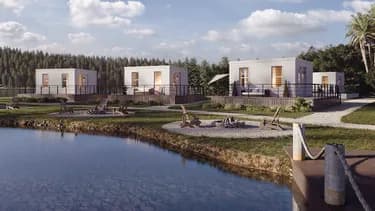
Bunnings Australia begins selling DIY tiny homes starting at $26,000
Bunnings Australia began selling DIY tiny-home kits from $26,000, giving homeowners and backyard builders a lower-cost route into tiny living.
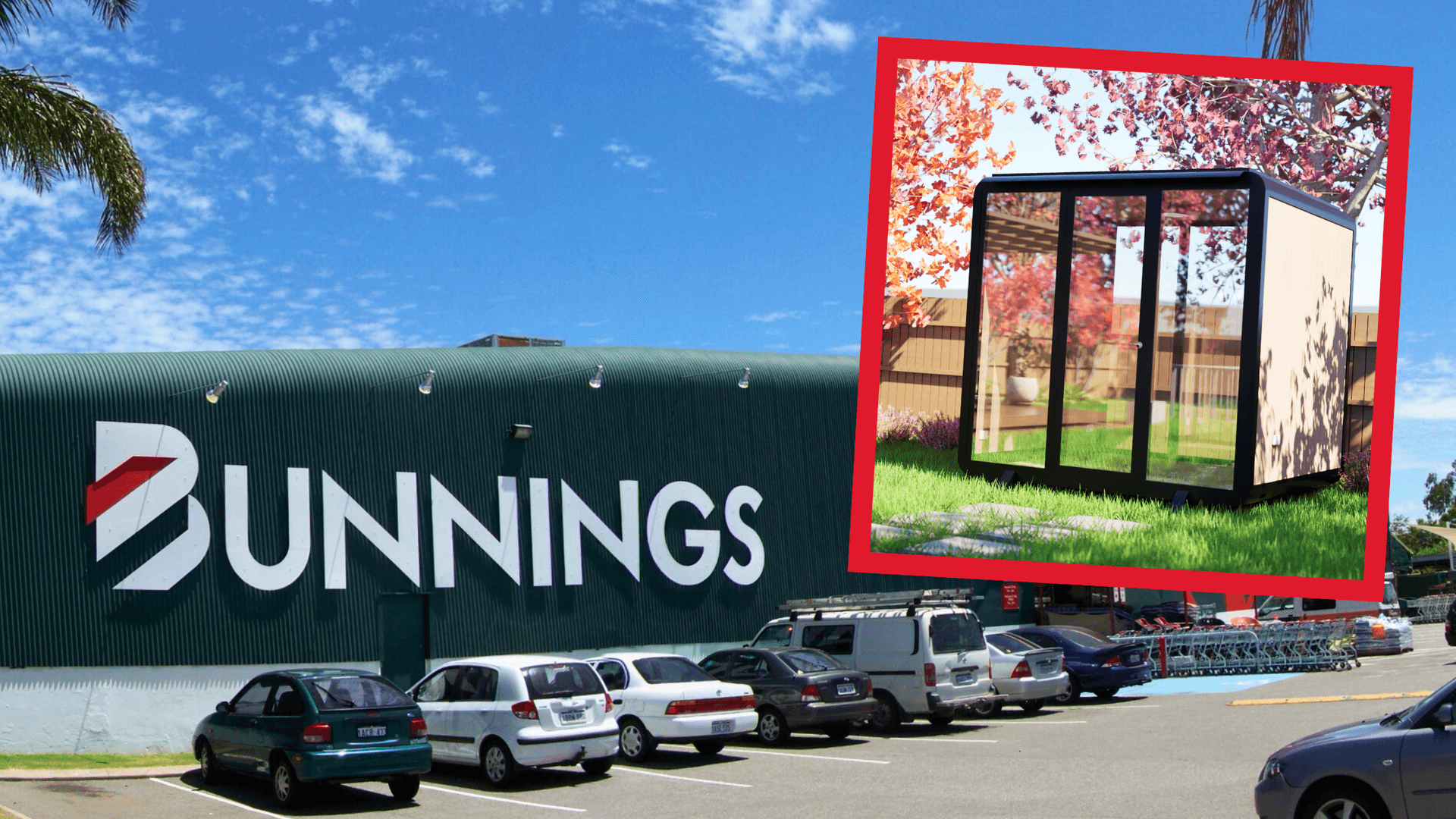
Bunnings Australia began selling DIY tiny-home kits starting at $26,000, bringing ready-to-assemble small dwellings into mainstream hardware retail. The new offering positions self-build tiny homes as a more affordable option for people looking to downsize, add a backyard studio, or explore alternative accommodation models.
The kits aim to simplify the entry to tiny living by combining componentised walls, frames and basic materials into a retail-format purchase. Pricing beginning at $26,000 puts an entry-level option within reach of many homeowners and renovators who had previously faced custom builder quotes or lengthy sourcing of parts. For people interested in short-stay rentals or off-grid cabins, the retail availability lowers the upfront barrier to trying tiny-house layouts and compact footprint design.
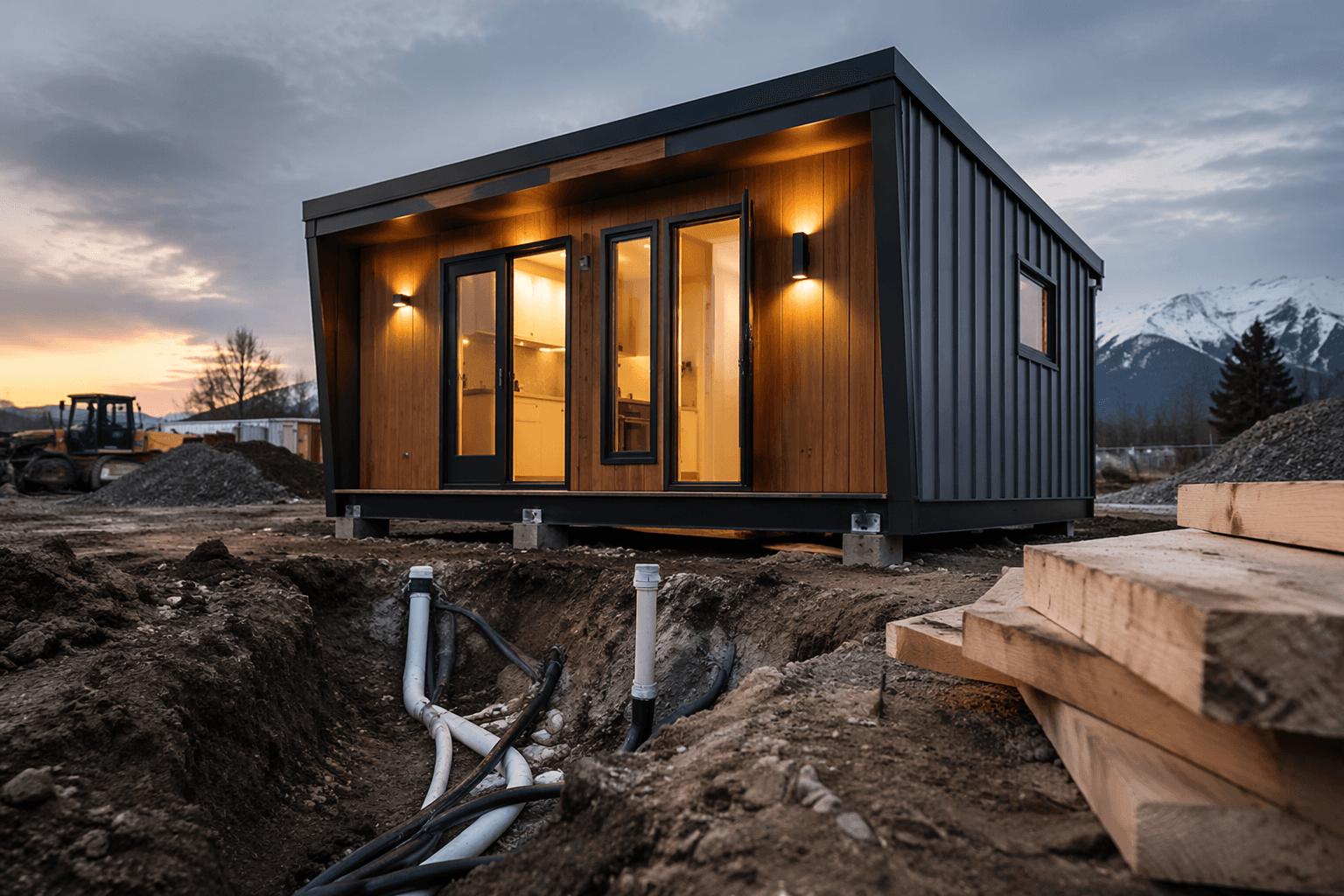
Practical implications are immediate. Buyers must still navigate local council rules, building approvals, and classification issues such as whether a structure is treated as a caravan, secondary dwelling or permanent building. Foundations, electrical and plumbing installations remain critical stages that usually require licensed trades or certified installers. For those planning on mobility, trailer certification and vehicle-class restrictions will determine whether a kit can legally be towed on roads.
Community builders and tradies will notice demand shifts. Local carpenters, electricians and plumbers can expect more enquiries for installation, compliance paperwork and customisation services. Backyard builders will want to measure site constraints, check flood and bushfire overlays, and confirm neighbour consent where required before ordering a kit. Insurance and valuation impacts also matter for owners turning a tiny home into a rental or long-term dwelling.
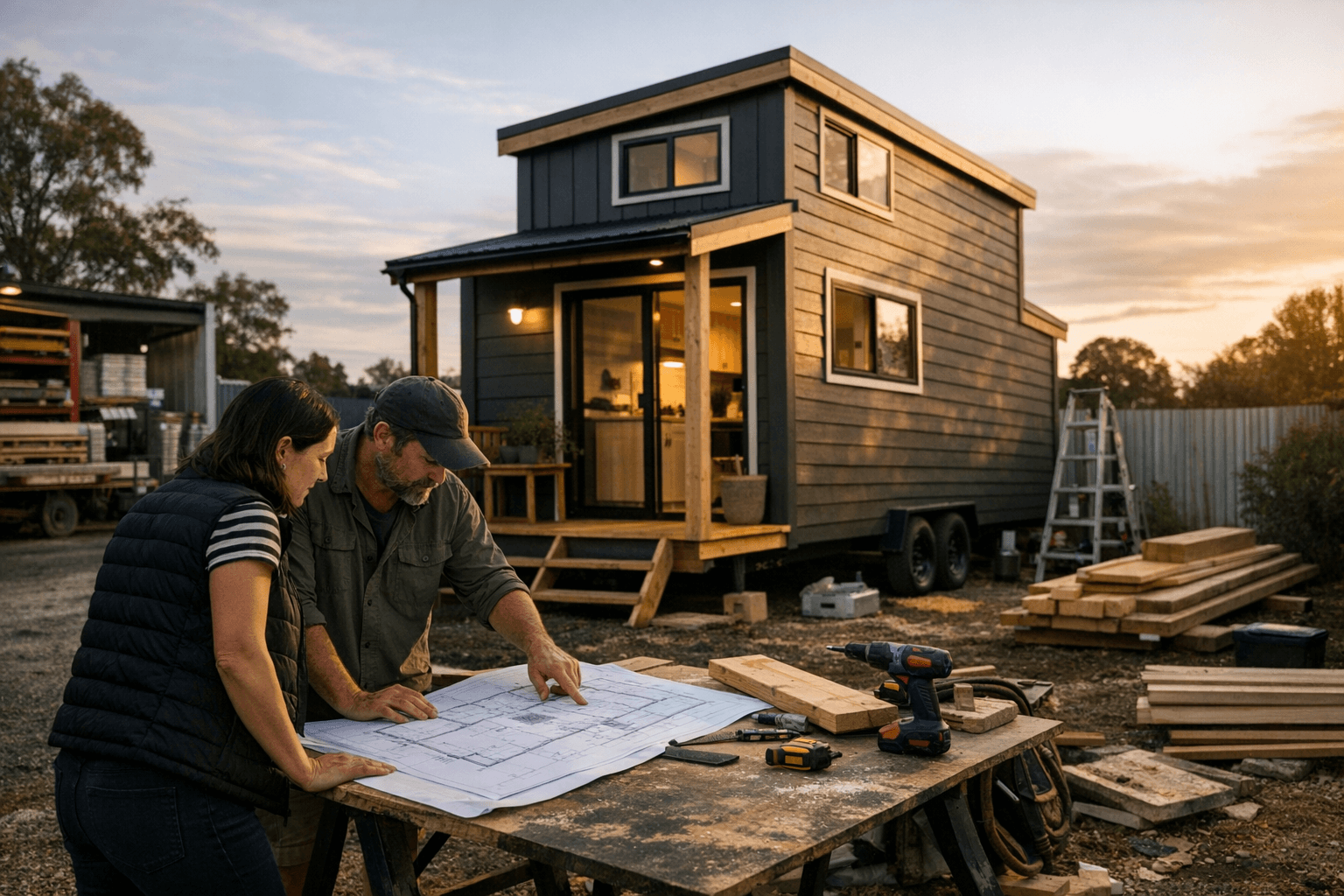
Small-home design practice remains important: prioritise storage, consider lofted sleeping to maximise floor area, and plan utilities early to avoid costly retrofits. Off-grid options such as solar and composting toilets need to be integrated into the build plan if owners seek greater autonomy.
The retail rollout signals a maturation of the tiny-house market from niche workshops to mainstream DIY retail. As kits circulate through suburbs and regional towns, expect local councils and industry bodies to accelerate guidance on classification and compliance. For buyers, the key next steps are site checks, council consultation and lining up licensed trades for any fixed services. For builders and service providers, this is an opportunity to offer fit-out, compliance and custom upgrade packages as the tiny-house market broadens.
This article was produced by Prism’s automated news system from verified source data, official records, and press releases, then run through automated quality and moderation checks before publishing. The system is built and supervised by the people who set the standards it runs under. Read our full AI policy.
Did this article answer your question?