Buy New or Renovate: Weighing Cost, Time, and Long-Term Risks
Buyers weighed new builds against renovating existing shells, balancing speed and warranties against lower cost and creative reuse.

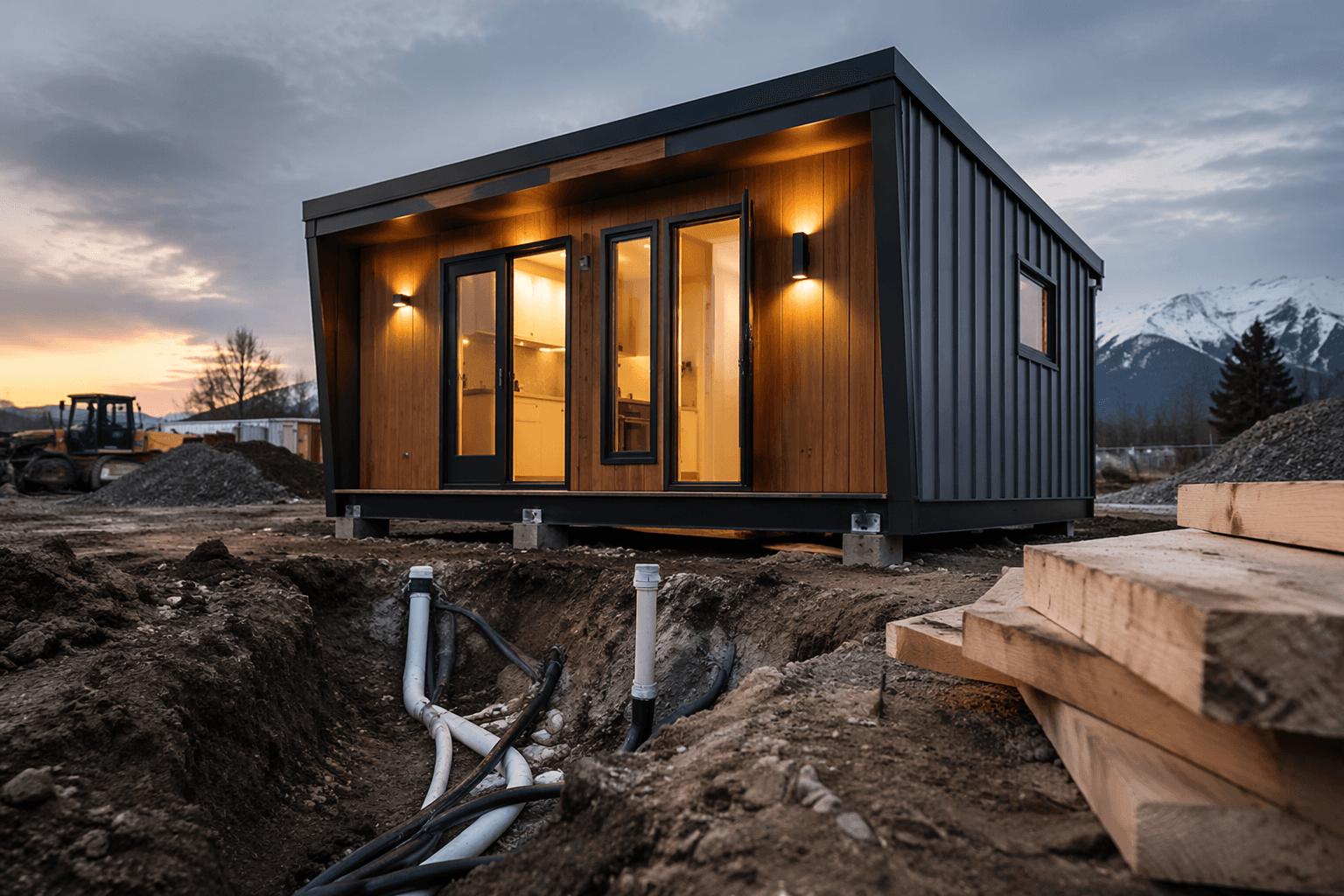
Homebuyers choosing a tiny house face a clear tradeoff: buy new for predictability and warranty protection, or renovate an existing cabin, shed, shipping container, or RV conversion to save money and reuse materials. The practical question comes down to priorities - speed and fewer unknowns versus cost savings and creative adaptation - and the consequences show up in budget, timeline, permitting, and long-term maintenance.
A newly built tiny home typically delivered predictable timelines and manufacturer warranties, which reduced exposure to surprise repairs and made financing and permitting more straightforward. Production builders offered set build schedules and turnkey systems for HVAC, plumbing, and electrical, which helped owners move in sooner and start enjoying tiny living without extensive troubleshooting.
Renovation projects often started with a lower purchase price for a shell, but many DIY renovators and small contractors encountered hidden costs. Common cost drivers included inadequate insulation, unforeseen structural repairs, and necessary utility upgrades. Owners converting shipping containers or RVs frequently needed to invest in envelope upgrades - insulation, vapor barriers, and proper roofing - to achieve comfortable year-round performance. Utility work such as bringing electrical service up to code or replacing aging plumbing added both expense and permitting complexity.
Permitting was a decisive factor for many buyers. New builds often fit a clear path through local codes when treated as manufactured homes, while renovations sometimes triggered more intensive reviews if the structure changed use or location. Permitting complexity added weeks or months to timelines and required clear documentation from contractors and inspectors.
Long-term maintenance risk separated the two paths as well. New construction carried warranty coverage that limited owner outlays for the first years, while renovated shells required more active maintenance planning. Investment priorities for both paths converged on a few high-value areas: the building envelope, HVAC systems, and waterproofing. Owners who prioritized a tight envelope and reliable heating and cooling systems reduced energy costs and prevented moisture issues that lead to rot and mold.
Practical decision checkpoints helped clarify choices. Buyers were advised to build budget buffers for unexpected structural or utility work, commission thorough inspections that specifically check framing, insulation, roofing, foundation or trailer condition, and electrical and plumbing systems, and to decide early whether they valued speed of occupancy or the satisfaction of reuse and customization. Where to spend first was also clear: shore up the envelope, install efficient HVAC, and solve any water intrusion problems before investing in finishes.
For readers weighing their own tiny house path, the right choice maps to personal priorities. If you need a reliable move-in date and backstop against major repairs, buy new. If you want to stretch a budget and relish creative reuse, renovate with an inspector-led plan and contingency funds. Either way, focus funds on envelope, HVAC, and waterproofing to protect square footage and long-term value.
This article was produced by Prism’s automated news system from verified source data, official records, and press releases, then run through automated quality and moderation checks before publishing. The system is built and supervised by the people who set the standards it runs under. Read our full AI policy.
Did this article answer your question?