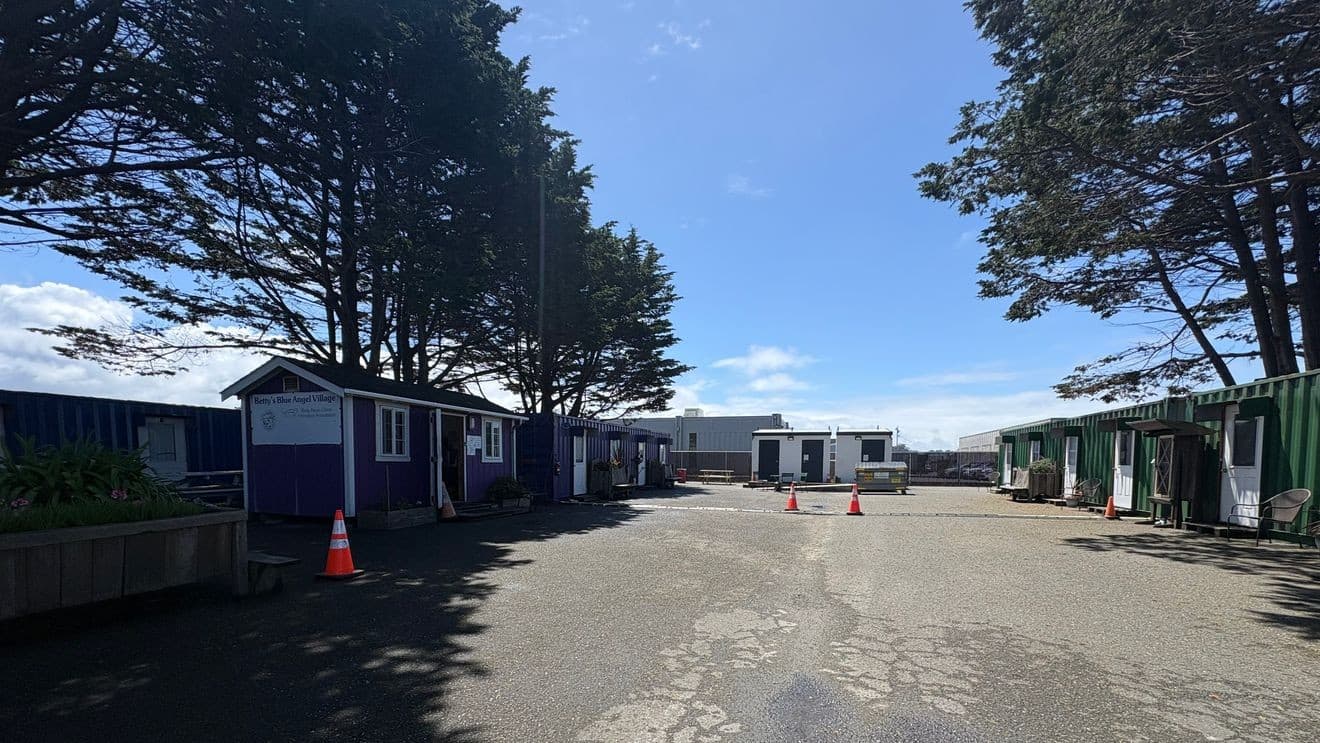
California's tiny-home homelessness plan falls far short of promise
California promised 1,200 tiny homes and free delivery. Three years later, only 544 beds were finished, and Los Angeles had 33.
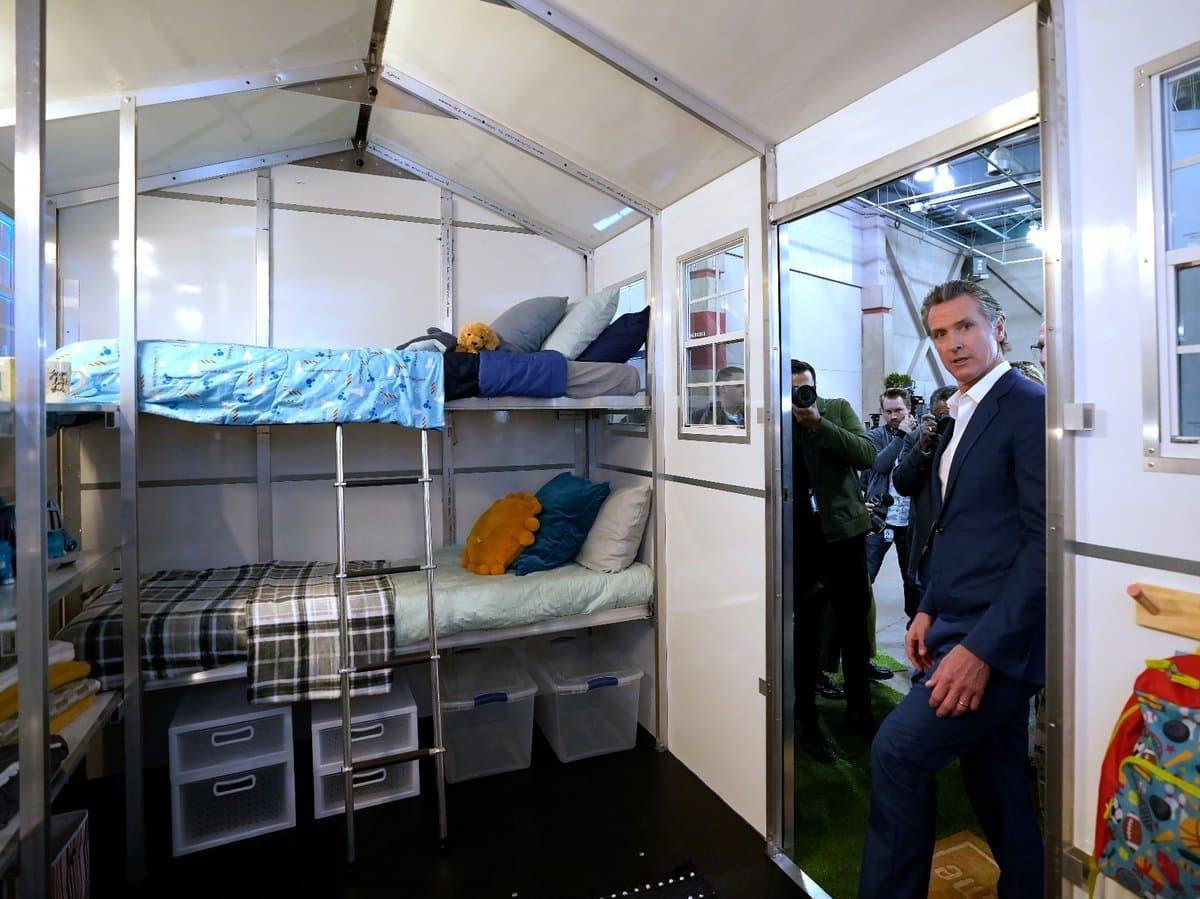
California’s tiny-home homelessness push was sold as fast, visible and ready to deploy. Three years later, the state had finished just 544 tiny-home beds across three cities, far short of the 1,200-unit promise Gavin Newsom made when he unveiled the plan as a $30 million fix for encampments and interim housing.
Newsom announced the program on March 16, 2023, saying tiny homes would be delivered free of charge and ready for occupancy in Los Angeles, Sacramento, San Jose and San Diego County. Local governments were supposed to handle site selection, ownership and services, while the California National Guard helped prepare and deliver the homes. The pitch was speed and dignity. The rollout proved far messier.
Los Angeles was promised 500 tiny homes but has only 33 beds completed so far. Sacramento has 175 beds at one site, while another site there was still under construction when visitors came through. San Diego funding was pulled after community pushback slowed a proposed location. Service providers said it can take as long as two years to get a tiny-home site fully up and running, a timeline that helps explain why a program framed as an emergency response still looked unfinished long after the initial rollout.
The state’s own updates showed the same drag. By October 2023, officials said six companies had been contracted to manufacture the homes. By March 15, 2024, Sacramento and San Jose were moving forward, while Los Angeles was still working through final scoping and planning and San Diego County had only recently approved its proposal. In May 2024, another update landed hard: none of the promised homes had opened yet, and only about 150 had even been purchased.
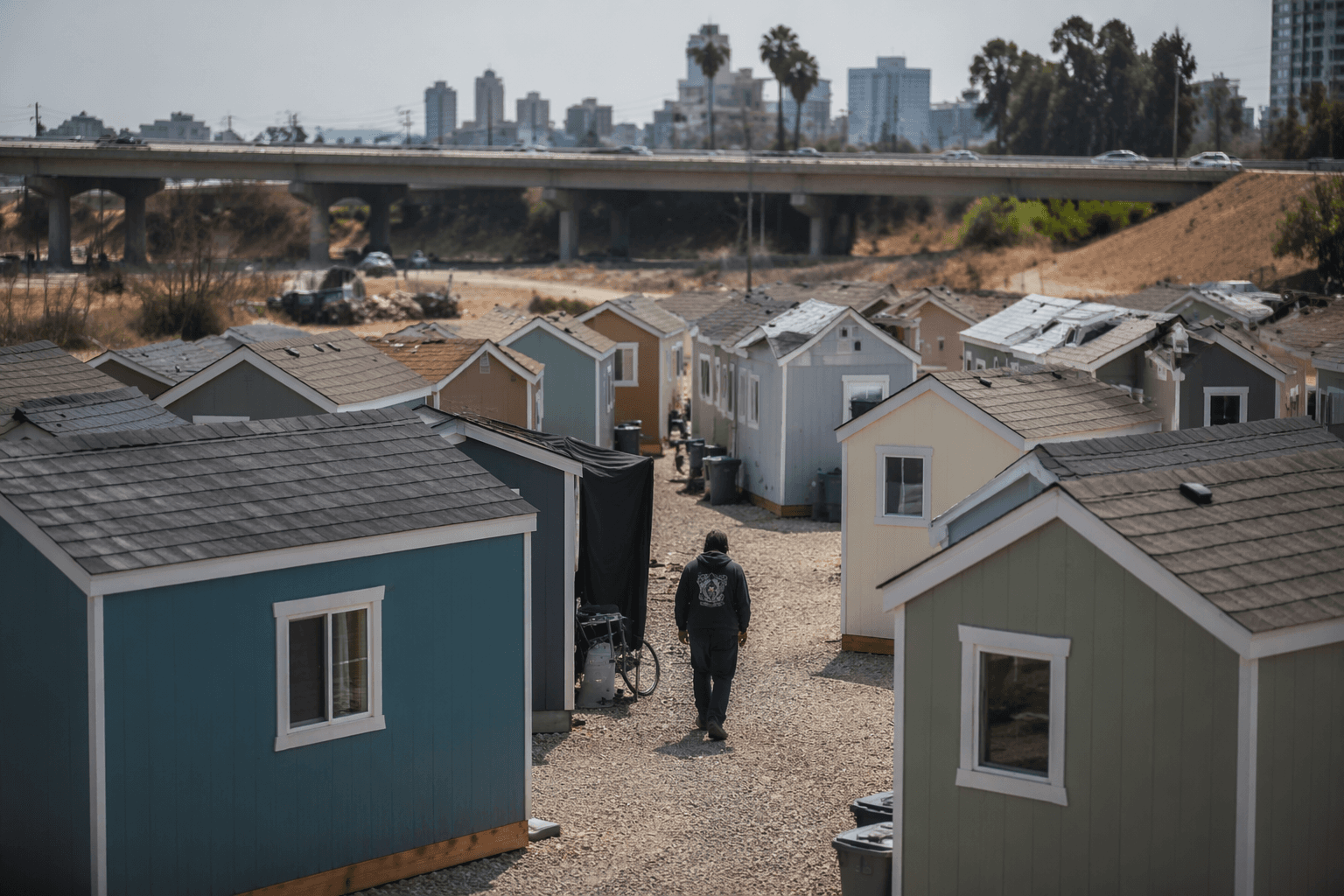
Where tiny-home villages do open, the model can work. In Reseda, 52 cabins make up a 101-bed village with meals, showers, medical care and job training, and residents typically stay about a year before moving into permanent housing. Pamela Rickman, who spent three years living under a bridge, is one of the people who found a path out through that kind of site.
That contrast now sits at the center of California’s tiny-home story. The state tied the program to a much larger homelessness package that included nearly $1 billion in grants for housing and behavioral-health needs, but the tiny-home piece still ran headlong into procurement delays, site fights and slow local approvals. Newsom promised a quick statewide buildout; three years later, the numbers showed how hard it was to turn that promise into actual beds on the ground.
This article was produced by Prism’s automated news system from verified source data, official records, and press releases, then run through automated quality and moderation checks before publishing. The system is built and supervised by the people who set the standards it runs under. Read our full AI policy.
Know something we missed? Have a correction or additional information?
Submit a Tip