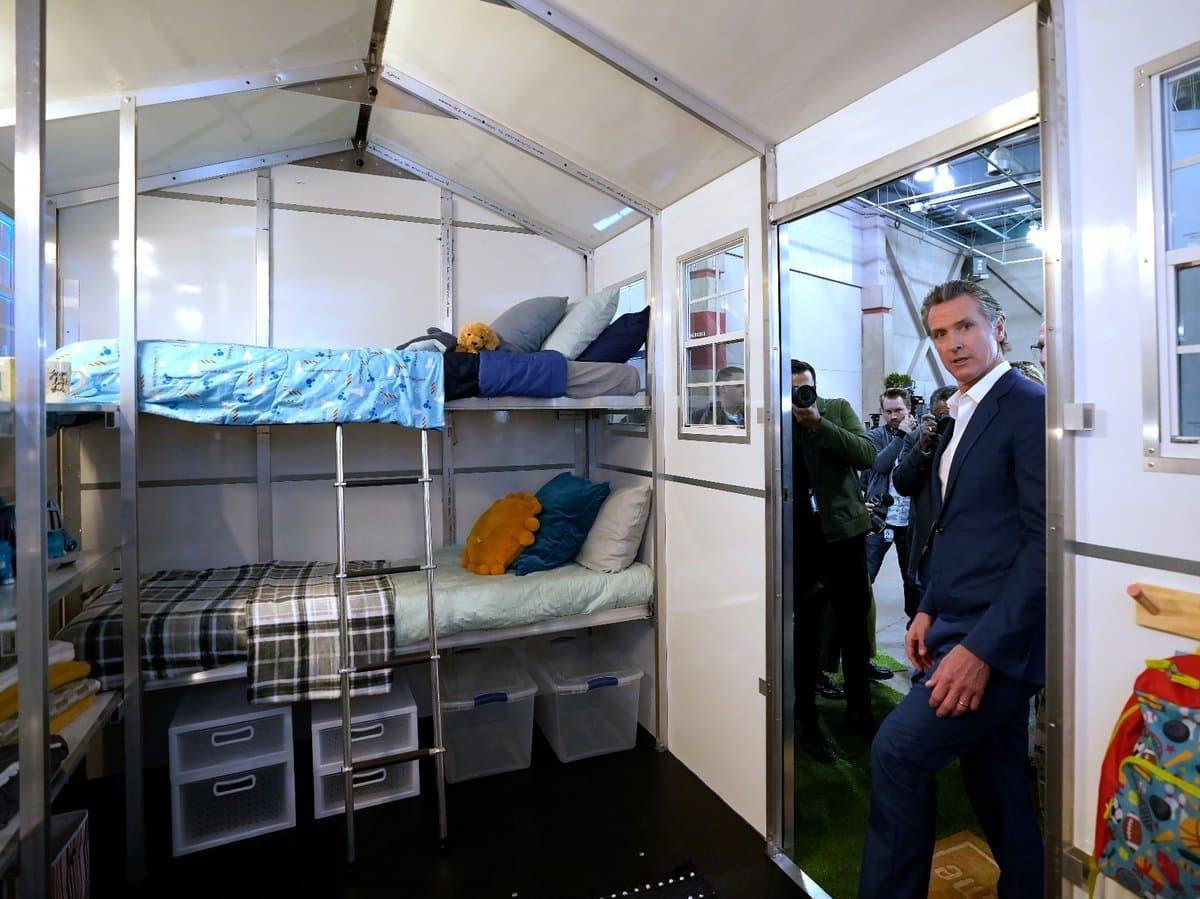
Eureka tiny-home village expands into 30-unit transitional housing community
Eureka’s Blue Angel Village was being rebuilt from a 90-day sober-living program into 30 tiny-home units, backed by $130,000 and a new bet on longer-term stability.
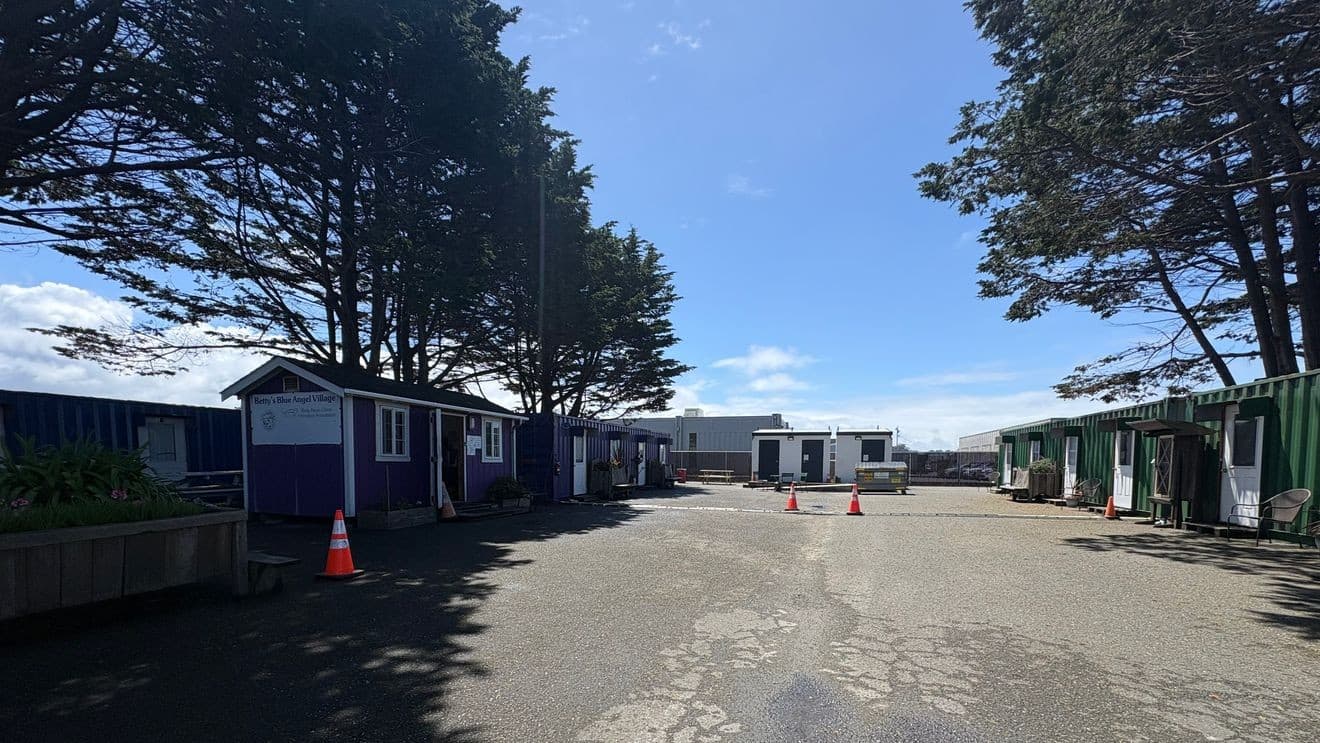
Betty’s Blue Angel Village in Eureka was getting a major reset, and the scale of it was hard to miss: a 90-day sober-living model for up to 40 chronically homeless adults was being recast as a 30-unit transitional housing community made from retrofitted shipping containers at West Washington and Koster streets.
The Betty Kwan Chinn Homeless Foundation had secured $130,000 in community donations to push the expansion forward, including a $50,000 gift from Eureka Natural Foods and another $80,000 from community partners. That money was meant to do more than add beds. It was aimed at turning a long-running shelter-and-services hub into something closer to a small village of semi-independent units, with the same support network wrapped around it.

That distinction matters. The original Blue Angel Village, established May 1, 2016, operated as a 90-day transitional housing program with case management, three meals a day, seven days a week, and access to the Betty Kwan Chinn Day Center. It also stood out for allowing pets, a small but crucial policy for residents who would otherwise be forced to choose between shelter and an animal companion. The new plan kept the transitional housing mission but shifted the housing itself toward tiny-home style units, a sign that the foundation was betting more private space and more stability could do a better job of moving residents out of homelessness than the old model alone.
The expansion also sat inside a much larger local system. The Betty Kwan Chinn Homeless Foundation already operated the Day Center, which opened in November 2013 at 133 7th Street, along with Betty’s House, Betty’s Annex, Betty’s Showers, and Betty’s Blue Angel Outreach. That broader structure made Blue Angel less of an isolated project and more of a piece of a deeper wraparound-care network in Eureka.
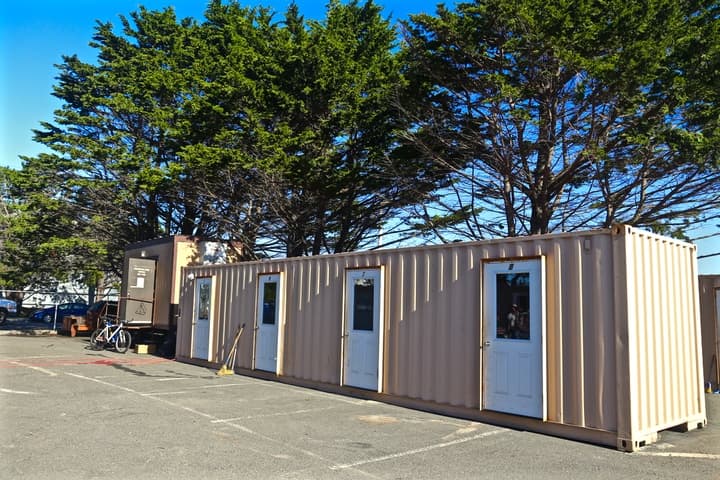
Betty Chinn put the support for the rebuild in plain terms: “This community makes it work. All these people do their part. That’s why I keep going.” That local buy-in arrived as a recent Eureka Police Department survey showed fewer people reporting that they slept in shelters than two years earlier, with shelter use falling from about 46% to 26% in the comparison cited by city officials. Against that backdrop, the village’s reinvention looked less like a cosmetic refresh than a deliberate attempt to fill a changing housing gap with more units, more privacy, and a structure built for the next step instead of the next night.
This article was produced by Prism’s automated news system from verified source data, official records, and press releases, then run through automated quality and moderation checks before publishing. The system is built and supervised by the people who set the standards it runs under. Read our full AI policy.
Know something we missed? Have a correction or additional information?
Submit a Tip