Cinnamon Bear tiny house blends rustic charm with practical comfort
The Cinnamon Bear proves a tiny house can feel like a true cabin without giving up daylight, flexibility or everyday comfort.
Rustic materials do the heavy lifting
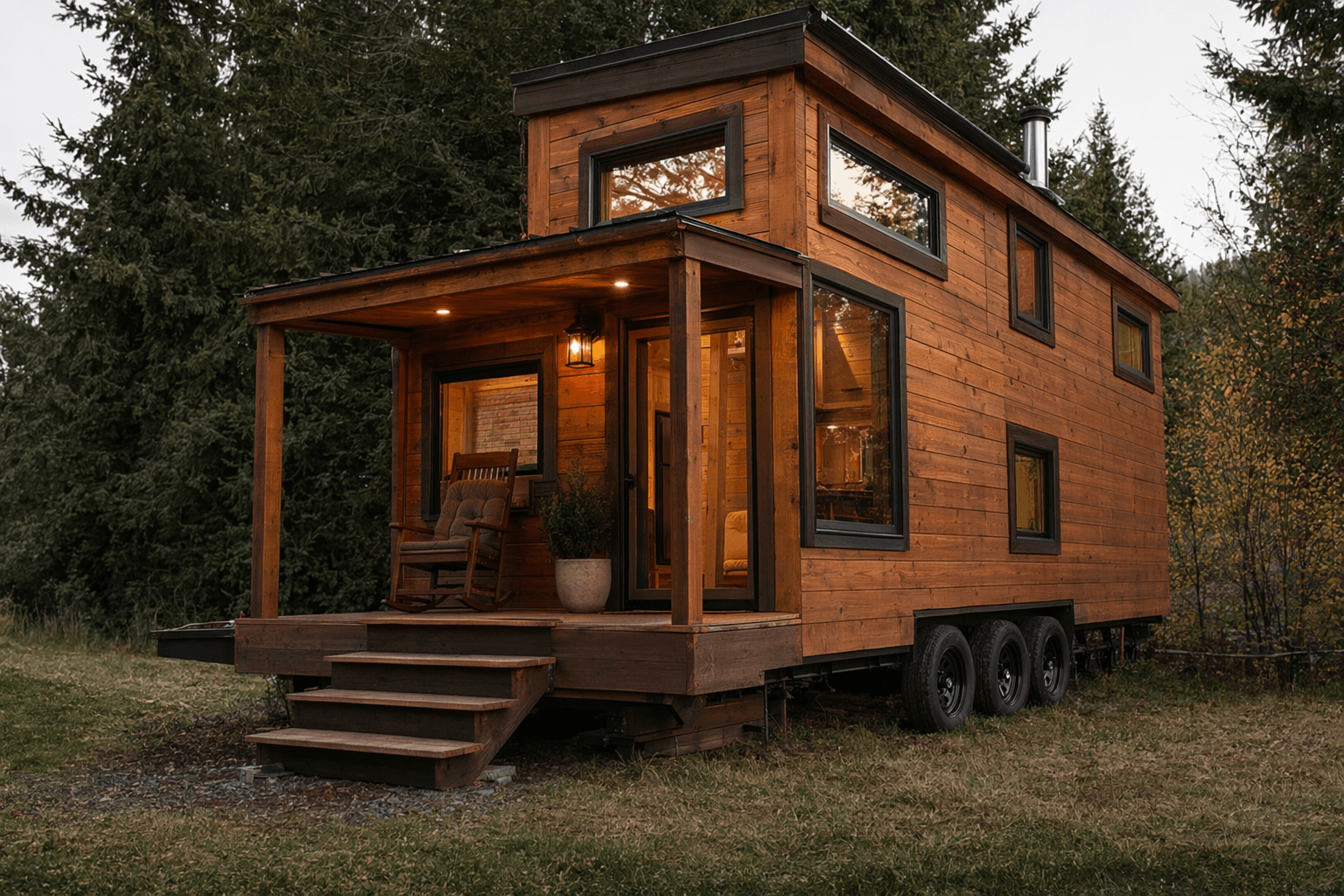
The Cinnamon Bear makes a strong case for rustic design that still knows how to live. Its appeal starts with the material mix: black steel siding, real pine logs and a shed-style roof give the tiny house on wheels a grounded, lodge-like presence without tipping into novelty.
That combination matters in tiny-house design because the exterior sets the tone before anyone steps inside. Rolling Bear Tiny Homes leans hard into a recognizable rustic look, and log siding has become one of its signature moves. Here, the pine logs keep the house from feeling too slick, while the black steel gives the build a sharper modern edge that works as easily in the mountains as it would near a lake or in a denser neighborhood.
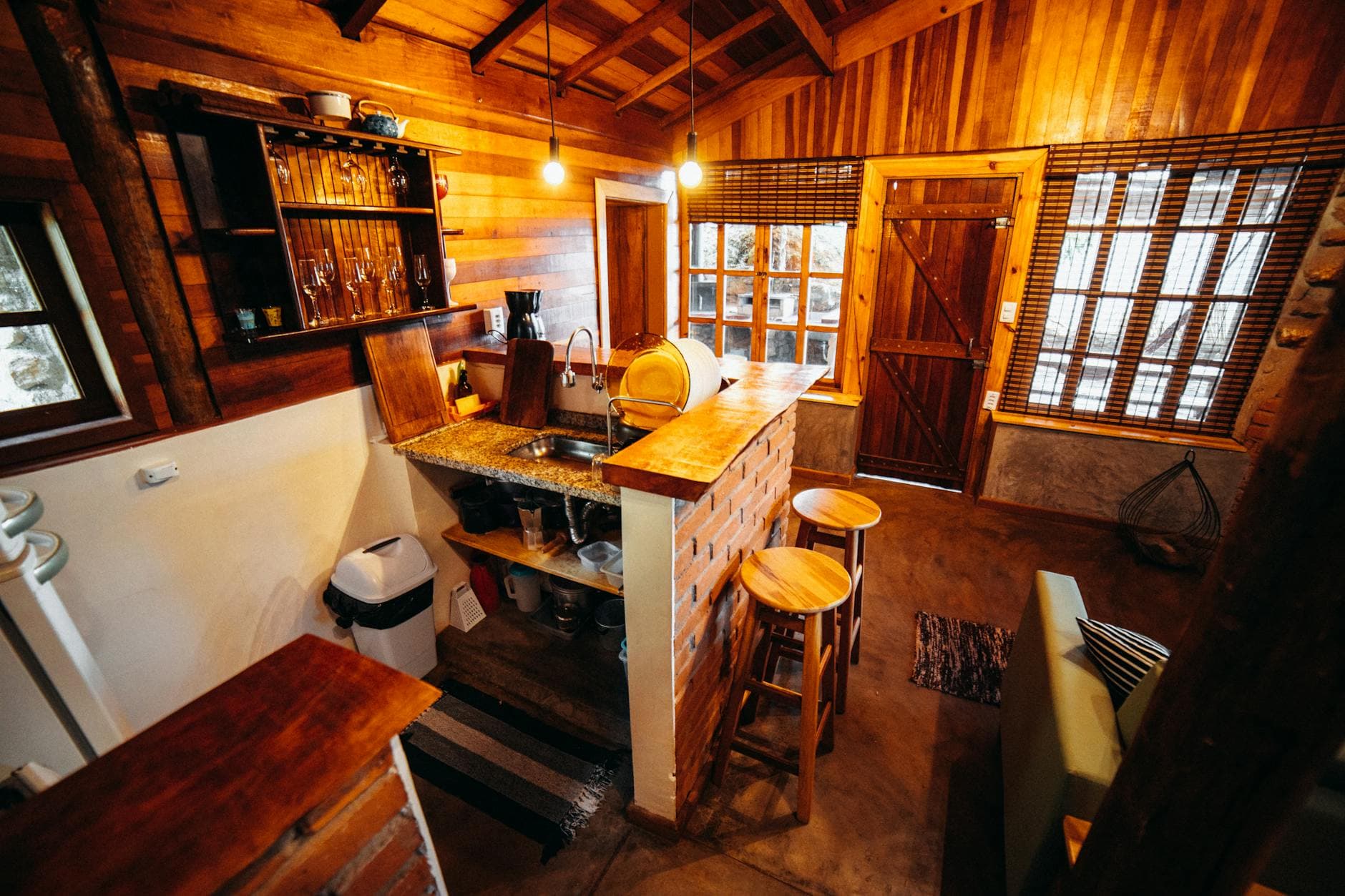
Multiple windows are part of that same balancing act. They break up the heavier visual language of logs and steel, and they help the home avoid the closed-in feel that can make themed tiny houses feel more like props than places to live.
A cabin look that still functions like a home
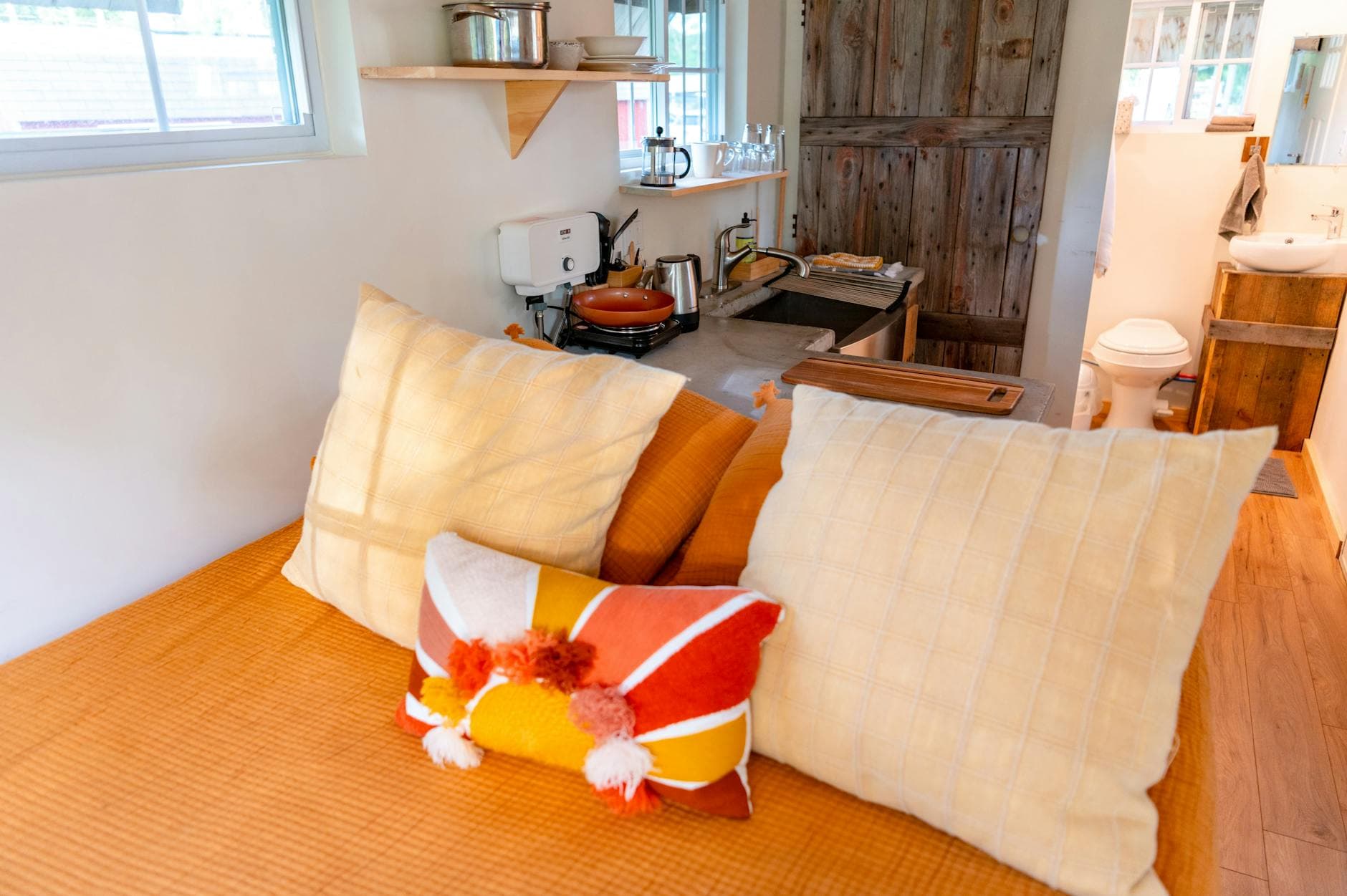
What separates the Cinnamon Bear from a simple weekend cabin is the way the plan supports real use. The layout includes a downstairs bedroom, which instantly improves accessibility and makes the home friendlier for daily living than a loft-only setup. A lofted sleeping space adds flexibility without forcing every household member into the same arrangement.
That is why the model reads as more than a decorative retreat. The downstairs sleeping area gives the house a full-time-home rhythm, while the loft creates an extra layer of utility for guests, family members or changing needs over time. In tiny houses, flexibility is often the difference between a charming concept and a livable plan, and this one is clearly built with the latter in mind.
The house is also being positioned as part of Rolling Bear Tiny Homes’ Lodge Series, and that framing is telling. It is marketed as a family-oriented lodge option, not just a one-person hideout, which helps explain why the design tries to stretch beyond the bare essentials. The goal is not to make small feel spartan. The goal is to make small feel settled.
Why the finishes work without overwhelming the space
The best thing about the Cinnamon Bear’s design language is that it does not rely on clutter to create warmth. The pine logs provide texture, the steel siding adds contrast and the shed roof keeps the profile clean, so the home feels cohesive rather than overworked. That is an important lesson for tiny-house buyers chasing a cabin vibe: the atmosphere should come from honest materials, not from piling on décor.
The multiple windows also do important practical work. Rustic interiors can become gloomy quickly if the shell is too heavy, but daylight softens the timber character and keeps the interior from feeling sealed off. In a tiny house, that kind of visual breathing room is not a luxury, it is part of what makes the space feel emotionally livable.
This is where the Cinnamon Bear avoids one of the most common tiny-home traps. Plenty of builds lean so hard into theme that they sacrifice light, circulation or day-to-day ease. Here, the rustic finishes appear to support the livability story instead of competing with it.
A house shaped for more than one kind of buyer
Rolling Bear Tiny Homes frames its tiny homes on wheels as suited to “solitary or duo nomads, adventurous families, and remote work retreats,” and the Cinnamon Bear fits neatly into that wider pitch. The company says it builds customizable homes that reflect the beauty and spirit of British Columbia, and the model’s mountain, seaside and forest-friendly styling matches that message.
That broad positioning helps explain the home’s dual identity. It can read as a getaway cabin, but it is also being sold as a compact residence with enough flexibility for changing household needs. In the tiny-house world, that matters because a model that can serve a couple, a small family or a work retreat usually has a better chance of staying useful after the first wave of excitement fades.
The company’s roots reinforce the point. Rolling Bear Tiny Homes identifies itself as a Surrey, British Columbia builder and is part of Rolling Bear Construction Inc., while the Cinnamon Bear appears among its named projects. That gives the model a clearer place in the company’s lineup and shows that it is not a one-off styling exercise.
The British Columbia reality behind the dream
The bigger story around the Cinnamon Bear is not just design, but where a tiny house on wheels can actually go. CBC News reported that most local governments in British Columbia still treat tiny homes on wheels as RVs, which generally prevents permanent residency. That means a home like this can look ready for full-time living while still running into land-use rules that shape how, and where, it can be occupied.
There is movement on that front. CBC News also reported that some Vancouver Island leaders are exploring ways to legalize tiny homes on wheels in more communities. For buyers, that makes regulatory context part of the design conversation, because the most beautiful compact home in the world still has to fit local rules if it is going to work as a true residence.
That is why the Cinnamon Bear stands out as more than a pretty cabin on wheels. It reflects a market that is moving toward better-built, more family-friendly tiny homes with stronger identity and less compromise. The rustic shell gives it character, but the practical layout is what keeps it from becoming a theme-first mistake.
A sign of where tiny-house design is headed
The Cinnamon Bear’s real lesson is simple: rustic charm works best when it serves the way people actually live. Black steel, pine logs, a shed roof and generous windows build the cozy cabin feeling, but the downstairs bedroom and loft keep that feeling attached to everyday use.
That balance is what makes the house interesting inside the tiny-house conversation. It does not ask buyers to choose between warmth and function. It shows that a smaller footprint can still feel welcoming, capable and ready for real life, which is exactly where the category is heading.
This article was produced by Prism’s automated news system from verified source data, official records, and press releases, then run through automated quality and moderation checks before publishing. The system is built and supervised by the people who set the standards it runs under. Read our full AI policy.
Did this article answer your question?