Des Moines approves 54-unit tiny-home village for people experiencing homelessness
Des Moines cleared Joppa to build a 54-unit tiny-home village on Maury Street, with rents from $300 to $700 and a former school turned service hub.
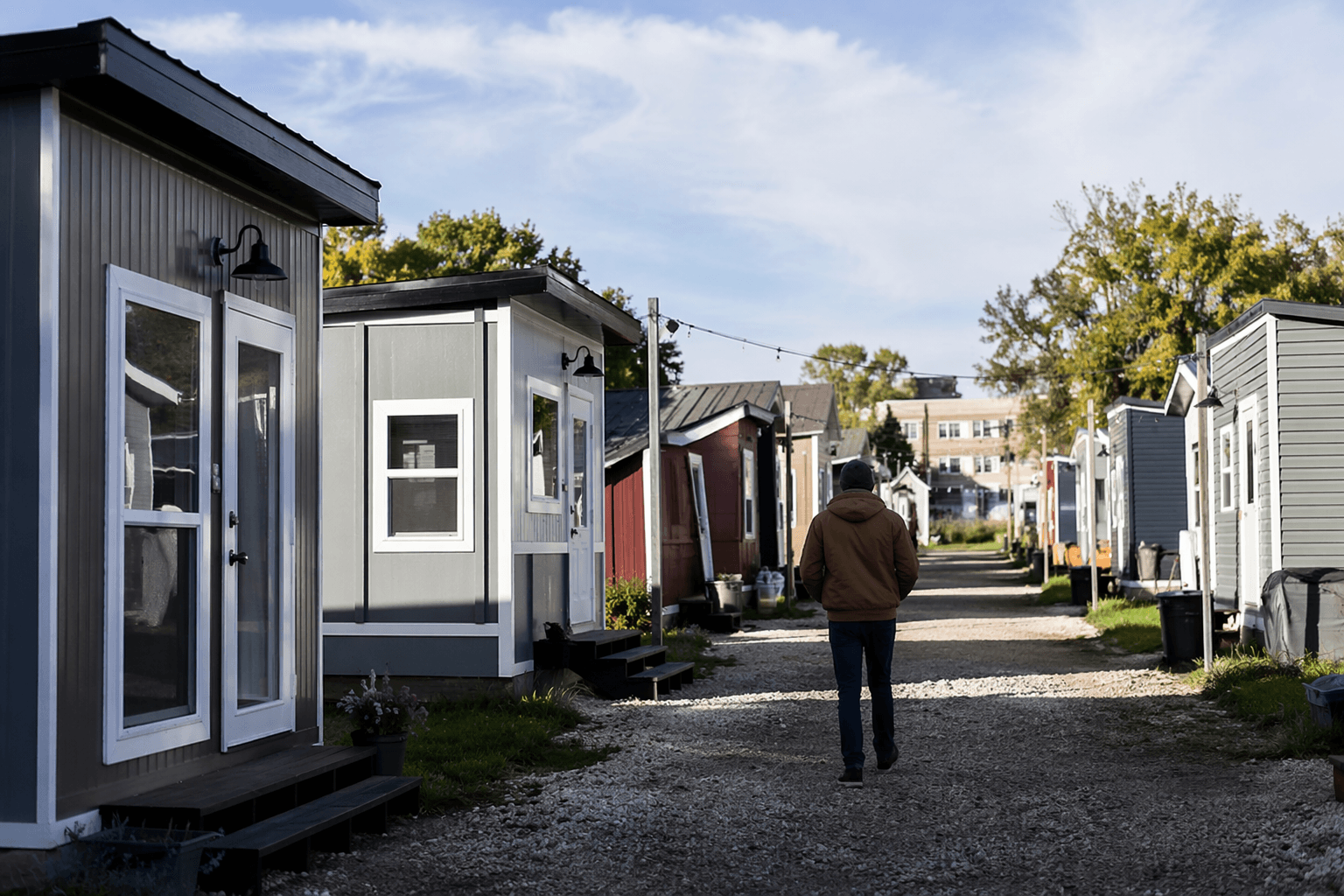
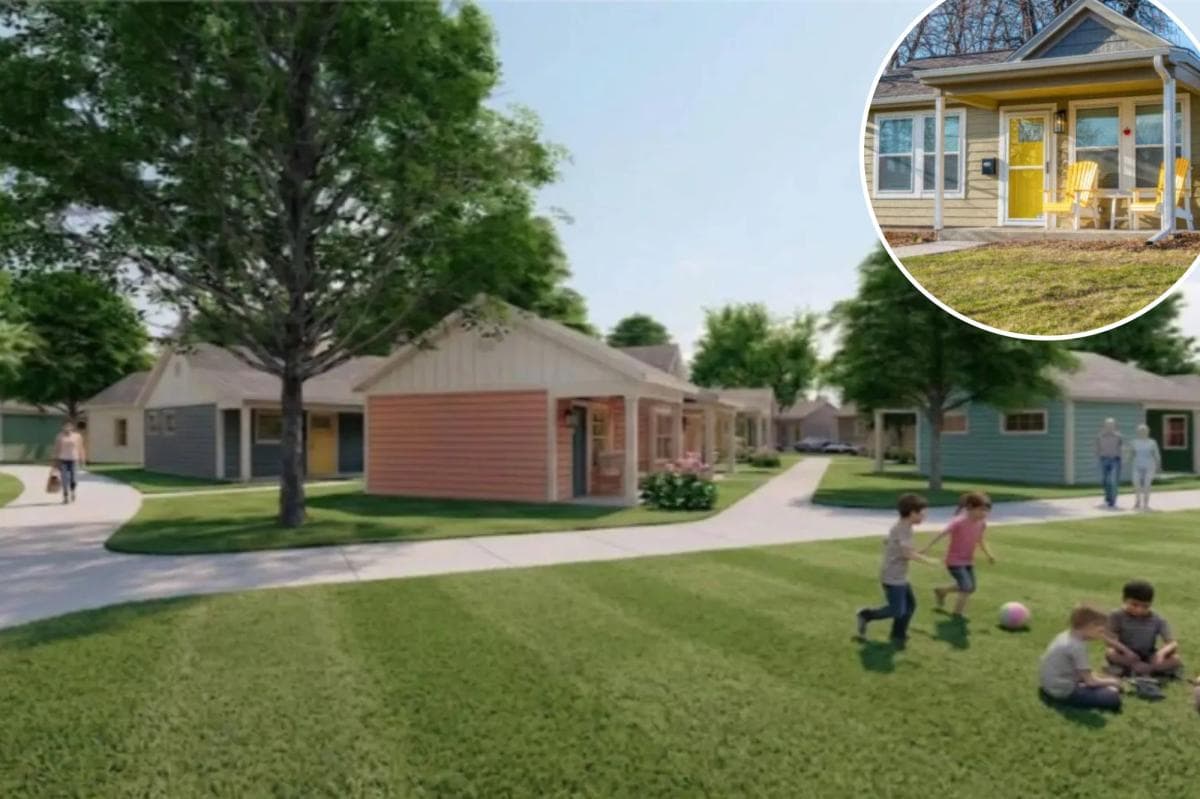
Des Moines has cleared Joppa to build one of Iowa’s most ambitious tiny-home communities in years, giving the nonprofit approval for a 54-unit village at 2501 Maury St. for people experiencing chronic homelessness. The project, called Joppa Village, is aimed at residents who have been living on the streets and is designed as permanent supportive housing, not a short-term shelter.
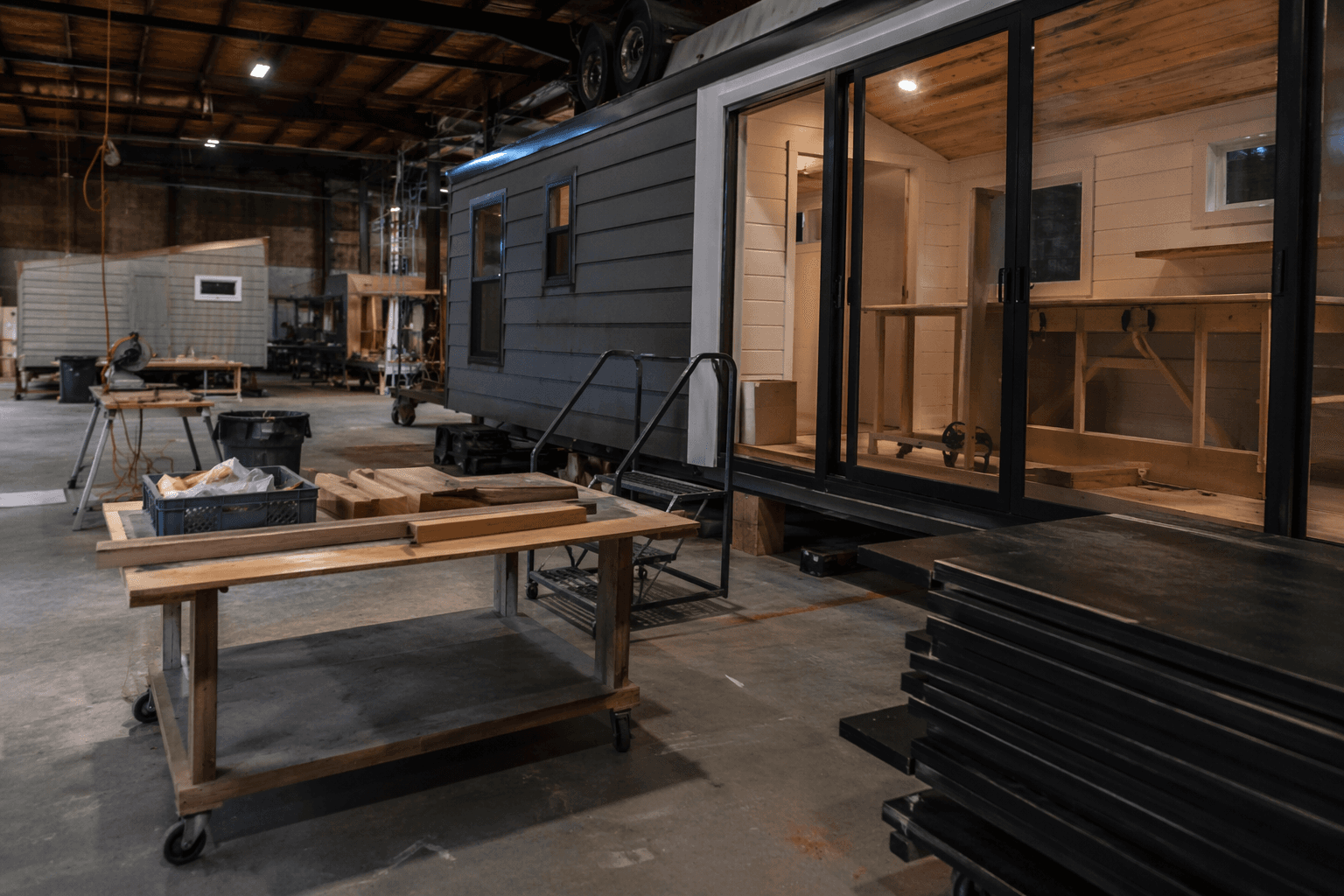
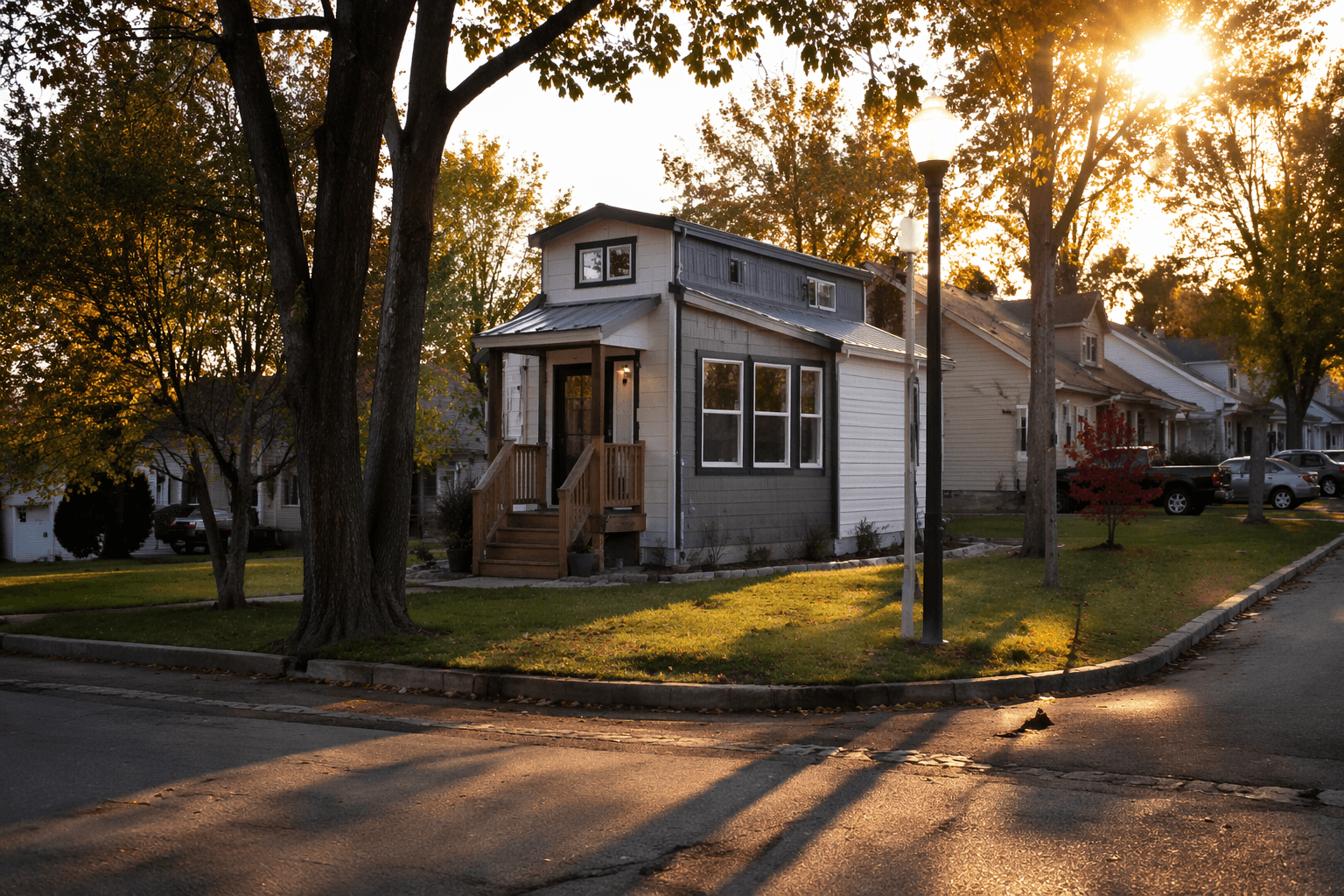
The homes will be small but fully self-contained, ranging from 192 to 384 square feet. Monthly rent will run from $300 to $700, depending on the unit. That pricing and unit mix puts the project squarely in the tiny-house lane while still anchoring it to a larger housing mission, one that seeks to move people into private space with a stable monthly cost.
The approval also opened the door to a much bigger campus plan centered on a long-vacant former Chesterfield School building dating to around 1890. City officials signed off on plans to gut and repurpose the 15,000-square-foot structure as the village’s community hub, with a 5,000-square-foot gymnasium addition. Planning documents call for communal dining, a kitchen, worship space, storage and on-site health care services, turning the schoolhouse into the project’s shared core rather than just a leftover historic shell.
Joppa CEO and co-founder Joe Stevens framed the approval as a collaborative step toward a more durable answer to homelessness, saying the city’s support would allow the group to provide permanent supportive housing to people who would otherwise remain unsheltered. The nonprofit plans to break ground later in 2026, with first residents expected to move in by 2027. If the schedule holds, the village will arrive as more than a row of compact homes: it will pair small private units with the kind of shared services and gathering space that often determine whether a tiny-home community actually works long term.
For Des Moines, the real turning point was not just the vote itself. It was the decision to tie 54 tiny homes to a schoolhouse hub, health care, meals and daily support, creating a model that other Midwest cities may watch closely as they look for ways to scale supportive tiny-home housing.
This article was produced by Prism’s automated news system from verified source data, official records, and press releases, then run through automated quality and moderation checks before publishing. The system is built and supervised by the people who set the standards it runs under. Read our full AI policy.
Know something we missed? Have a correction or additional information?
Submit a Tip