Tiny Homes of Maine shuts down abruptly after 10 years
Tiny Homes of Maine shut down quietly after 10 years, less than two years after Hancock Lumber bought it and after helping Maine legalize tiny homes statewide.
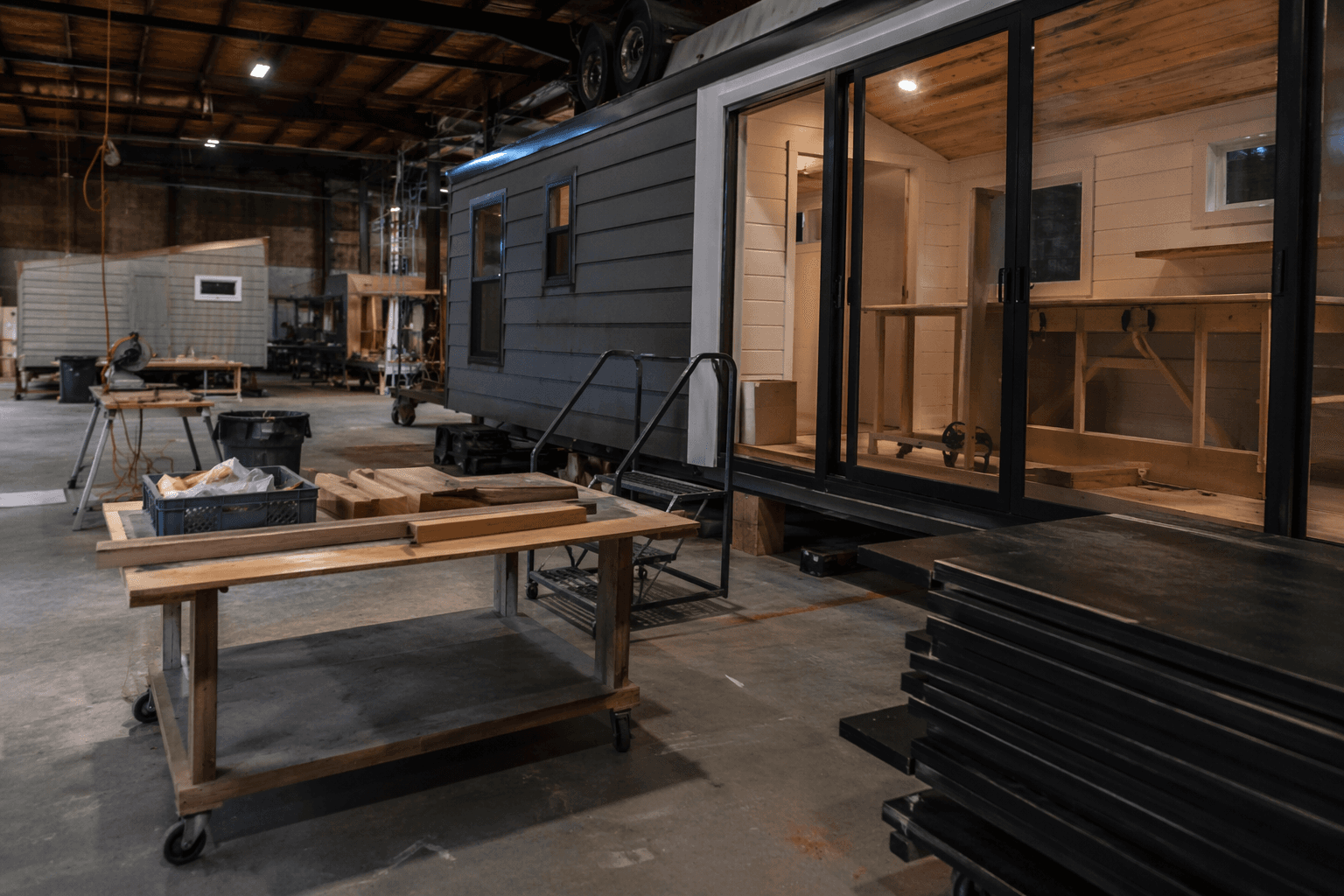
Tiny Homes of Maine shut down quietly after a decade in business, less than two years after Hancock Lumber of Casco acquired the builder. Founder Corinne Watson confirmed by email that Hancock had decided to close the company indefinitely, and Hancock’s website said by May 2026 it had discontinued its tiny homes on wheels product line.
The closure lands hard because Tiny Homes of Maine helped turn a fringe idea into a recognizable part of Maine housing. Watson and her husband, Tom Small, started the company in Windham in 2015 after Watson left corporate life looking for work that felt more creative and socially meaningful. The business later moved to Houlton in 2018, and the family followed there in 2020. Demand exploded during the pandemic, and by 2022 the company reportedly had a two-year waiting list for more than 70 homes. At one point, it was also planning a 12,000-square-foot facility at the Houlton Industrial Park.
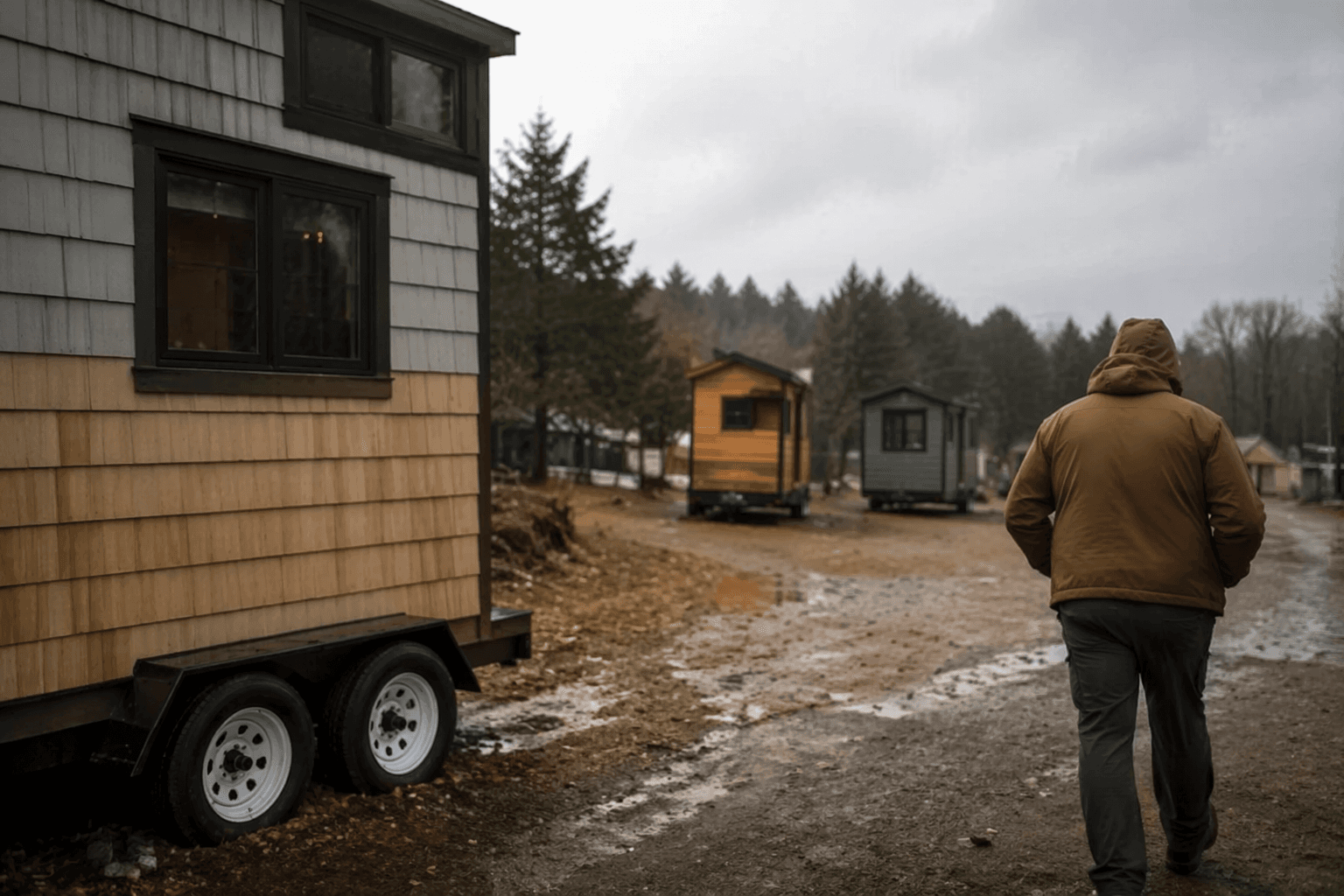
That growth did not spare it from turbulence. A Sept. 19, 2023 fire at the Houlton International Airport hangar destroyed Tiny Homes of Maine, Family Roots and HSC Auctions. The State Fire Marshal’s office later ruled the cause undetermined because of the severity of the blaze and the completeness of the burn. After the fire, Tiny Homes of Maine resettled in an 11,000-square-foot building in Dyer Brook, keeping the business moving even as its original base was gone.
Hancock Lumber’s buy-in once looked like a path to scale. On Oct. 2, 2024, Hancock announced it had signed a letter of intent to acquire Tiny Homes of Maine and expected to close by the end of that month. Hancock described itself as a nearly 200-year-old, seventh-generation family lumber company with 700 employees, 7,500 acres of timberlands, four sawmills and 11 lumberyards in Maine and New Hampshire. Corinne Watson and Hancock executive Kevin Hancock later discussed the partnership on Maine Real Estate and Development Association’s MEREDA Matters in June 2025, underscoring how closely the builder had become tied to Maine’s housing conversation.
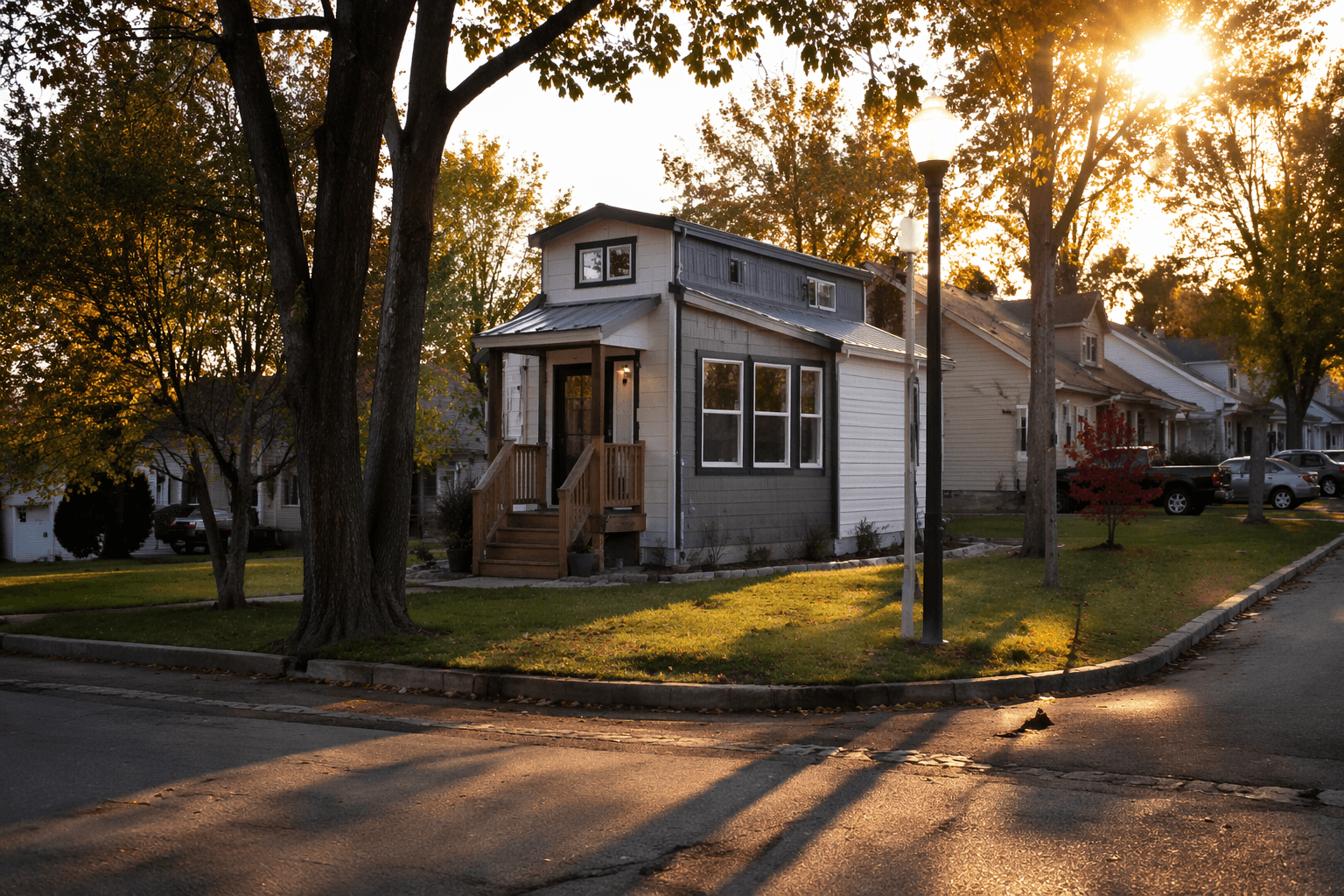
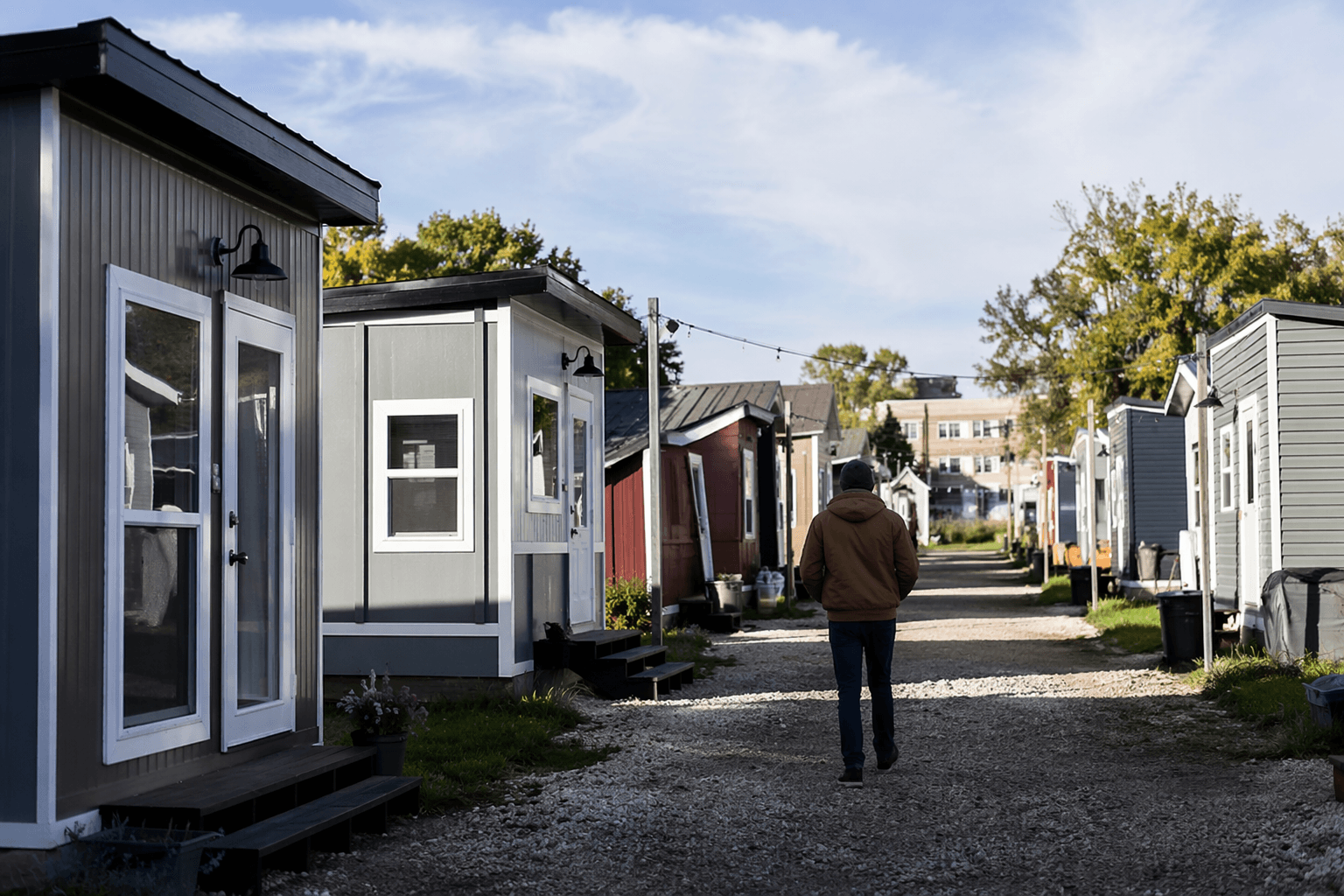
The shutdown also narrows the field for buyers and smaller builders working in the state’s tiny-home market. Tiny Homes of Maine had helped secure a legal definition for tiny homes in 2020 and then helped push Maine to allow them in every municipality the following year. The 2021 law requires towns to permit tiny homes on lots where single-family dwellings are allowed, or as accessory structures, subject to local land-use rules. Now, with Hancock having already dropped its tiny homes on wheels line, the state’s best-known tiny-home name is gone just as the rules had finally made the category easier to build around.
This article was produced by Prism’s automated news system from verified source data, official records, and press releases, then run through automated quality and moderation checks before publishing. The system is built and supervised by the people who set the standards it runs under. Read our full AI policy.
Know something we missed? Have a correction or additional information?
Submit a Tip