Des Moines Weighs 1880s School for Supportive 55-Home Tiny Village
Joppa is evaluating an 1880s Chesterfield School for a 55-home supportive tiny village on nearly six acres, a project aimed at helping people exit homelessness.

A vacant 1880s school building in Des Moines has moved into the center of a proposal for a new supportive-housing tiny village that could change how the city approaches small-footprint housing for people exiting homelessness. Joppa, the nonprofit behind the plan, is weighing whether to incorporate the former Chesterfield School into its roughly six-acre site for the project.
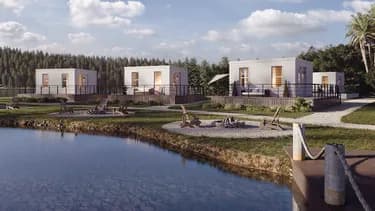
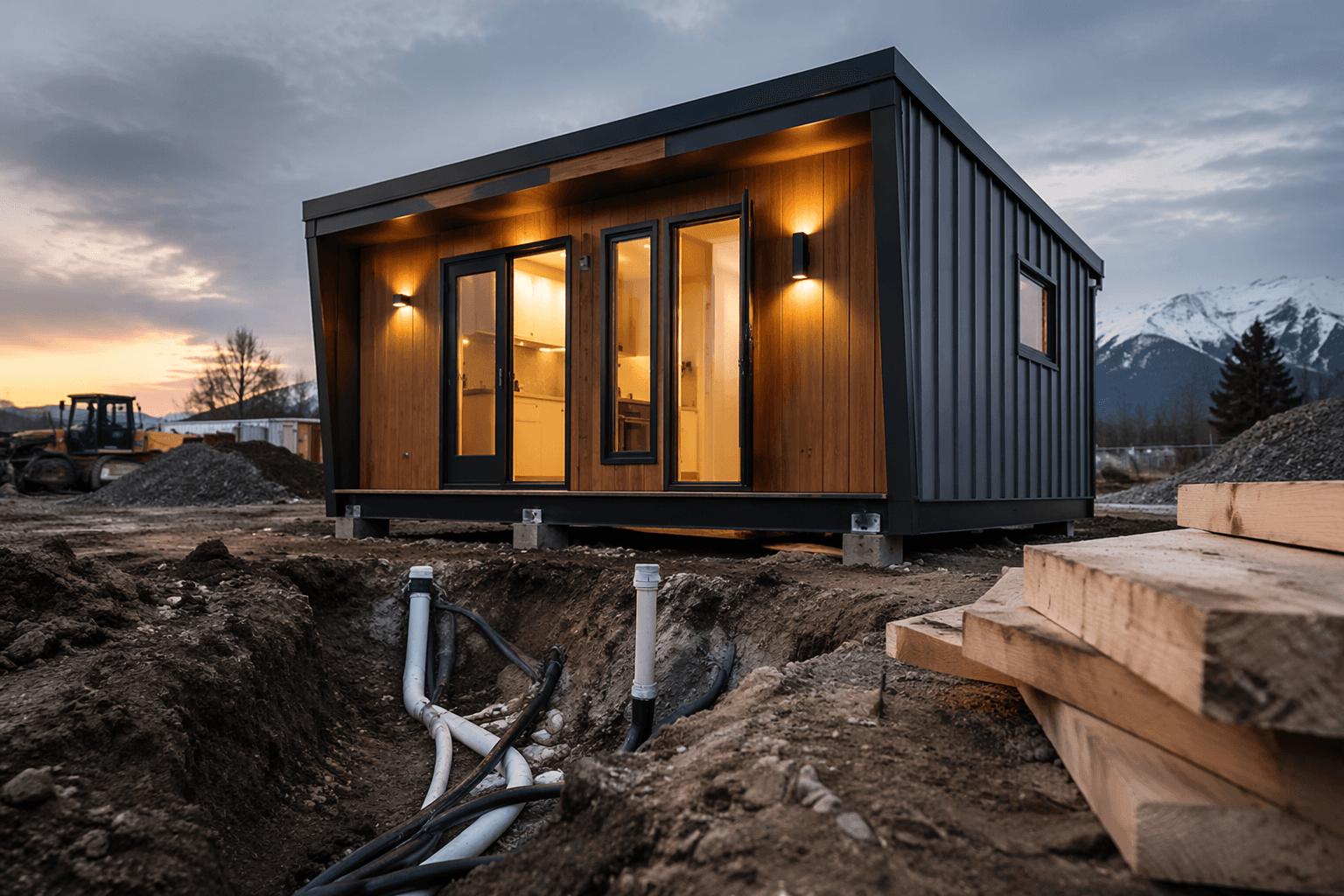
The Tiny Village concept, modeled on a project in Austin, Texas, envisions about 55 tiny homes, each 384 square feet or smaller, paired with on-site supportive services. Project leaders estimate the total cost could reach $10 million. Joppa says it is "taking a thoughtful look" at the school building and expects a decision by the end of spring 2026.
The proposal follows a growing national trend of tiny-house communities designed as transitional housing with wraparound supports. For Des Moines readers, the planned village promises concentrated housing stock that fits into a relatively compact footprint while providing services intended to help residents stabilize and move toward permanent housing. Project timing is aggressive: the development team expects groundbreaking in 2026 and hopes to welcome residents in 2027, assuming approvals, design work, and funding proceed on schedule.
Adaptive reuse of the Chesterfield School brings additional considerations. The building dates to the 1880s and sits on part of the nearly six-acre parcel under discussion, so preservation questions, site planning, and the integration of modern supportive services will affect construction timelines and budgets. The presence of a historic structure could influence design decisions, utility upgrades, and permitting, all of which matter to neighbors, advocates, and potential funders.
For the tiny-house community and nearby residents, practical implications include changes in neighborhood density, traffic, and local services. Supporters point to the model’s emphasis on on-site services as a way to reduce chronic homelessness and lower long-term public costs. Developers will need to secure funding sources to reach the $10 million estimate, and local approvals will shape the project schedule. The 384-square-foot size cap aligns with common tiny-house norms while allowing for livable, accessible units.
Next steps center on Joppa’s internal decision and the public review process. If the organization opts to include the Chesterfield School, planners will move forward with design, permitting, and fundraising toward the planned 2026 groundbreaking. For those tracking tiny-house solutions in Des Moines, this proposal is a concrete test of whether a historic-school-to-tiny-village conversion can deliver both preservation and supportive housing at scale.
This article was produced by Prism’s automated news system from verified source data, official records, and press releases, then run through automated quality and moderation checks before publishing. The system is built and supervised by the people who set the standards it runs under. Read our full AI policy.
Did this article answer your question?