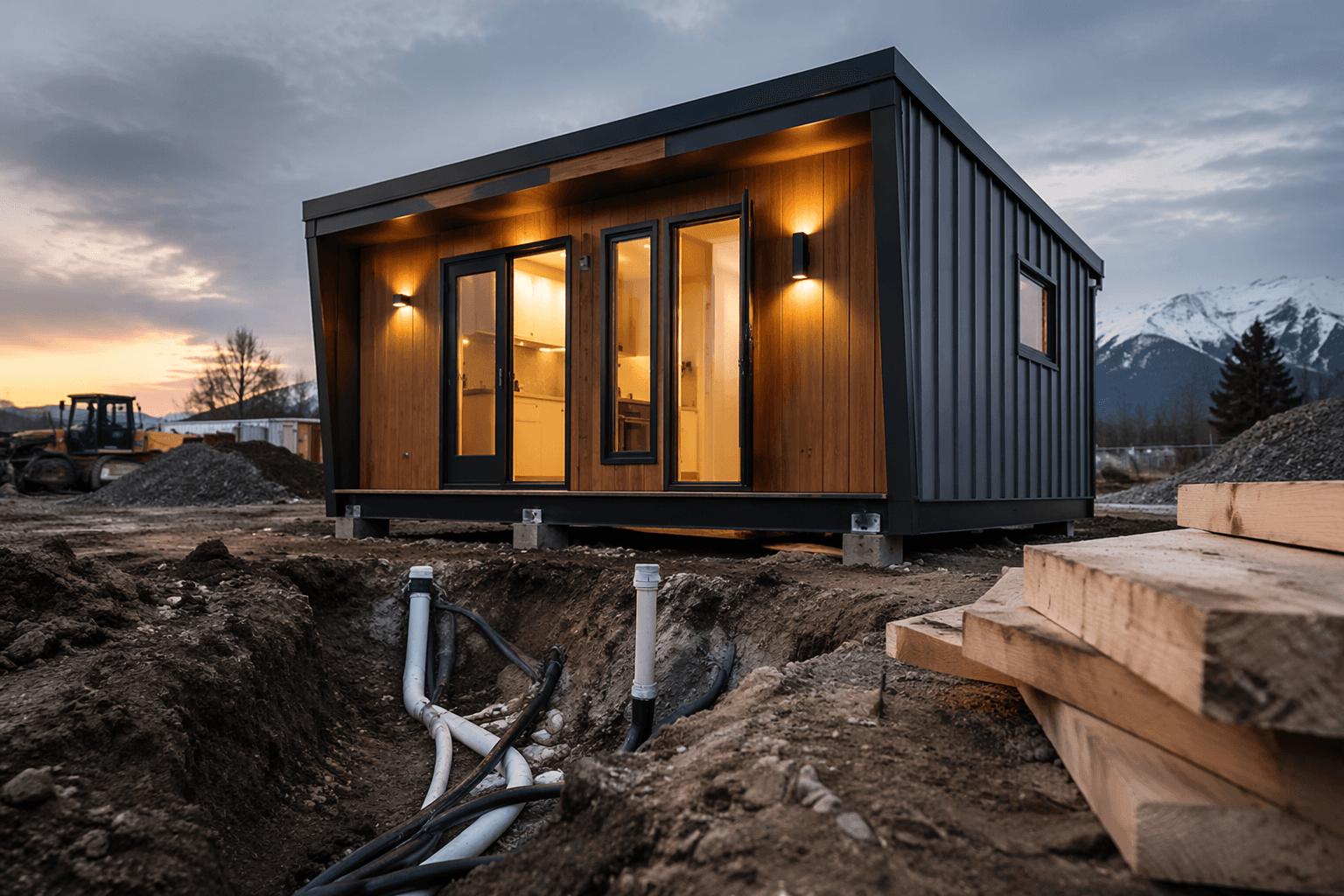
Georgia Bill Allows Tiny Homes Under 400 Square Feet Without Local Approval
Georgia lawmakers introduced HB 1166 to allow dwellings 400 square feet or smaller to be built without local zoning approval, a change with major implications for tiny-home builders and local rules.
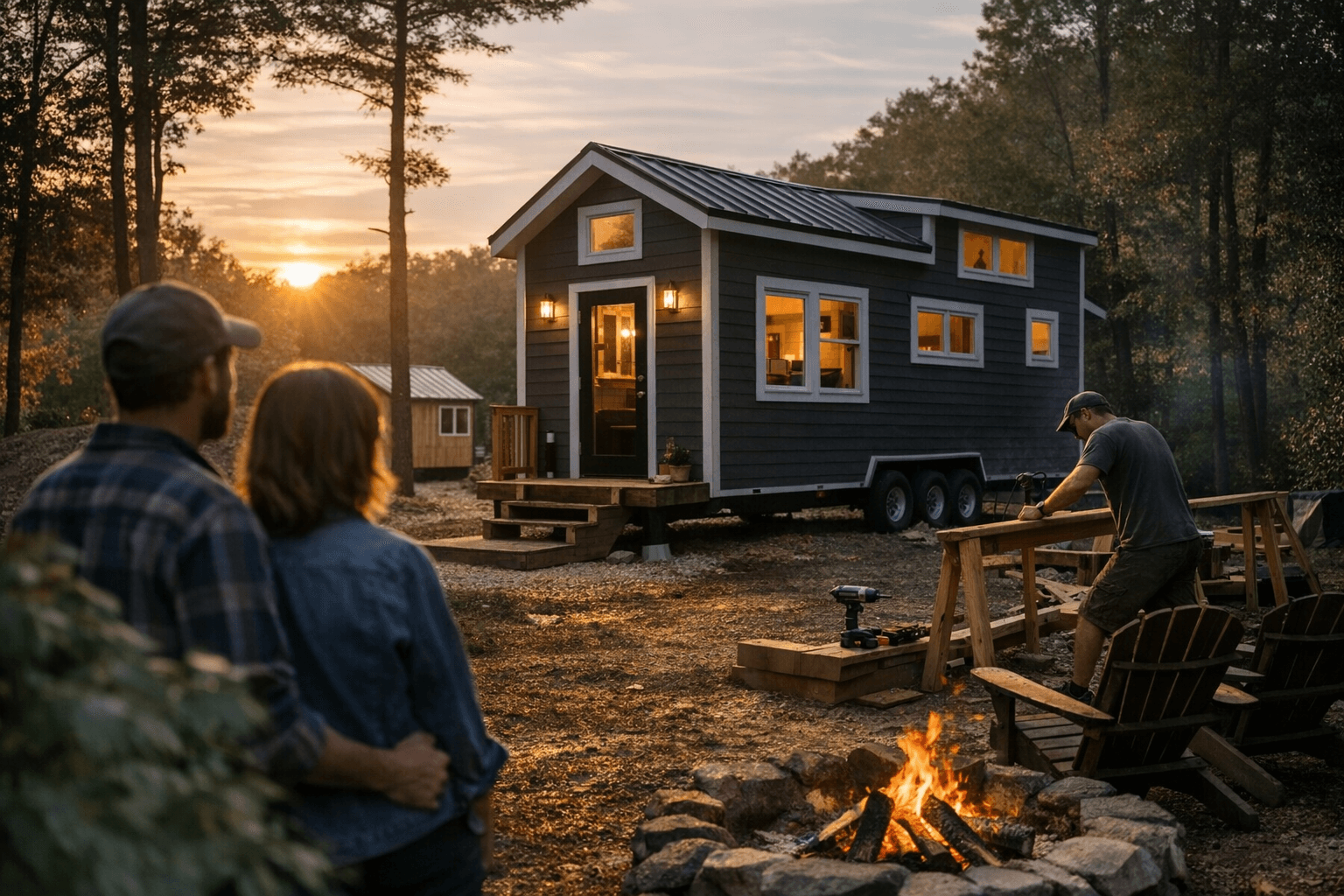
Lawmakers in the Georgia General Assembly introduced House Bill 1166 to loosen restrictions on tiny homes, allowing residences that are 400 square feet or smaller to be built on residential property zones without needing local council or county commission approval. The change would standardize several technical rules while creating state minimum procedures intended to preserve due process for would-be builders.
HB 1166 would remove the need for local city councils or county commissions to approve zoning permits for small homes, and would set statewide standards for septic tanks and septic tank drainfields. The bill also addresses historic properties, saying it sets standards for “any regulations related to properties or structures that are designated as historic under the Georgia Historic Preservation Act or are on the National Register of Historic Places.” Places designated as local, state or national landmarks “would similarly be set with standardized regulations.” The measure would also create a statewide standard for manufactured homes “consistent with the Uniform Standards Code for Manufactured homes Act and other federal laws.”
The bill contains language intended to protect existing zoning decisions: “If passed, the legislation would prevent zoning decisions made before July 1, 2023 from being revoked.” At the same time, HB 1166 warns that “zoning decisions made by governing bodies after that date could, potentially, be contested or not be enforced.” The measure frames its scope by stating that it “confirms the rights of local governments to control zoning within their boundaries,” while proposing that “creating state minimum procedures will ensure the public has the right of due process when working to build new things.” It also explicitly says “no zoning decisions shall affect or be required to build, modify, place or use dwellings that are 400 square feet or smaller on any residential property zones.”
Technical building rules remain a separate axis of regulation. The Georgia Department of Community Affairs notes that “Tiny homes are dwelling units and therefore they are subject to the same building code regulations as any other traditional site‑built or stick‑built home.” The DCA defines a dwelling as “a building provided with permanent provisions for sleeping, cooking, eating, living, and sanitation,” and points out that the 2012 International Residential Code amended minimum habitable room size from 120 square feet to 70 square feet and added an Appendix for Tiny House Construction, but warns that “the Appendix must be adopted locally to be enforced.”
Local ordinances already differ widely. County guides show Gwinnett permitting tiny homes as small as 750 square feet and accessory dwelling units as small as 100 square feet, Chattooga defining tiny homes as 400 square feet or less and requiring Appendix Q compliance, and Dade listing so-called permanent tiny homes at 800 to 1,000 square feet. Observers urge caution: “Double-check your local area’s code of ordinances to ensure that your tiny home meets all local rules and regulations.”
A recent court ruling adds legal context. A state judge in Calhoun struck down a 1,150 square foot minimum-home ordinance, ruling on August 7 that it violated the state constitution. In that case, nonprofit Tiny Home Hand Up proposed cottages of 540 to 600 square feet on donated land to sell for less than $95,000. The lawsuit argued that “The only purpose served by Calhoun’s ban on smaller homes is to abridge property owners’ right to decide what type of home they want to build and live in, unnecessarily inflate the cost of building a home, and impermissibly exclude hardworking residents who cannot afford larger homes.” Expert testimony showed a pro forma where “the cheapest house possible under the current code would cost $350,000, well above what most local residents can afford,” and Atlanta architect Eric Kronberg recalled telling the court, “Nobody in your town can afford to buy this house, except maybe 10 people.”
For tiny-house builders, the practical takeaway is straightforward: HB 1166 could fast-track permit processes for compact dwellings and standardize some technical rules, but building codes, septic requirements, historic-property constraints, and local enforcement practices still matter. Whether the bill covers wheeled tiny homes - Tiny Homes on Wheels or park models - is not specified, and the bill text and sponsors should be reviewed as the measure moves through the legislature. Expect a testy conversation between state lawmakers, municipal planners, preservationists, and affordable housing advocates as Georgia weighs a major policy change for small living.
This article was produced by Prism’s automated news system from verified source data, official records, and press releases, then run through automated quality and moderation checks before publishing. The system is built and supervised by the people who set the standards it runs under. Read our full AI policy.
Did this article answer your question?