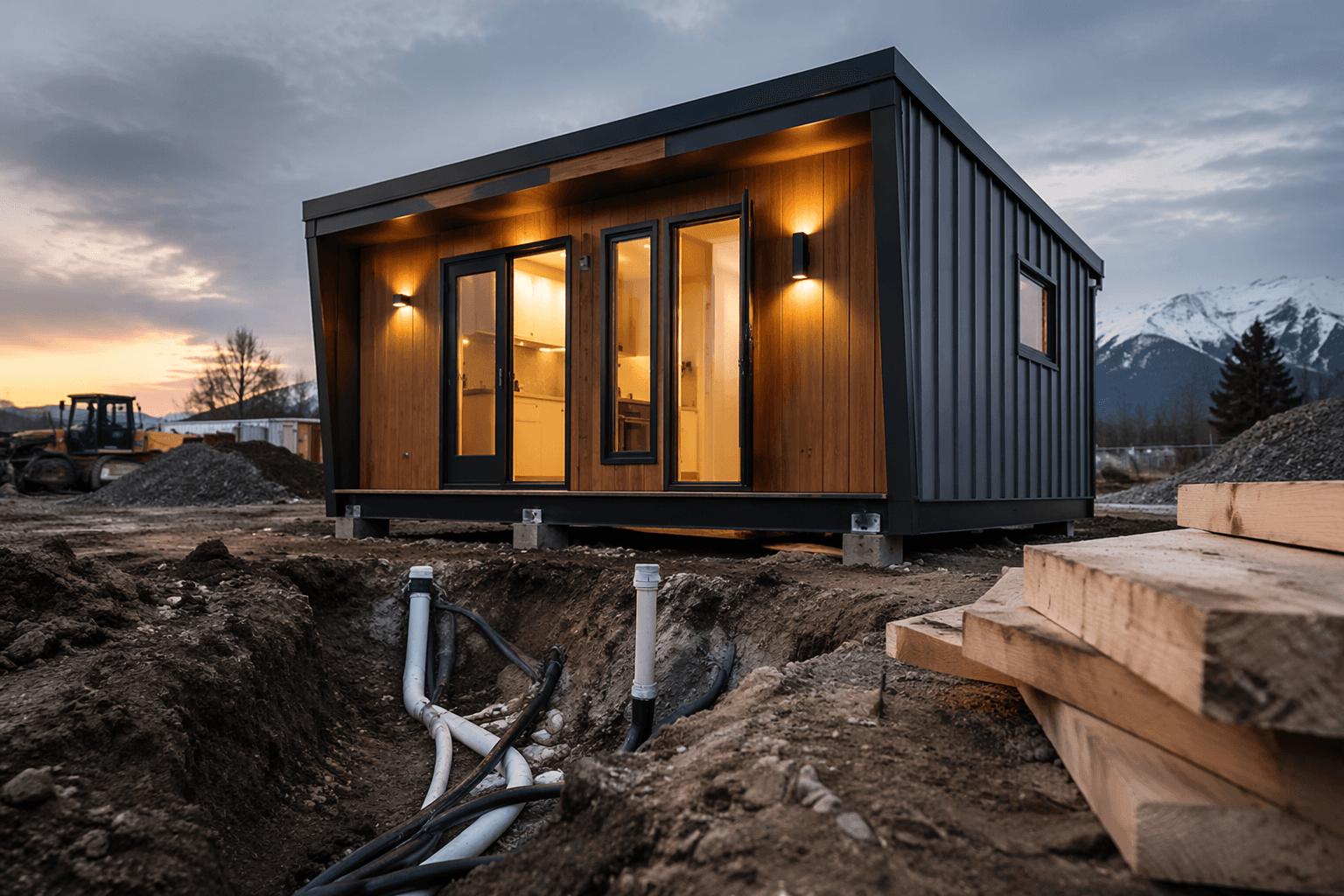
Georgia Bill Would Allow 400-Square-Foot Accessory Dwellings Statewide
Georgia's House voted overwhelmingly on Crossover Day to let homeowners build 400-sq-ft ADUs without a local zoning permit, blocking institutional investors from the same right.
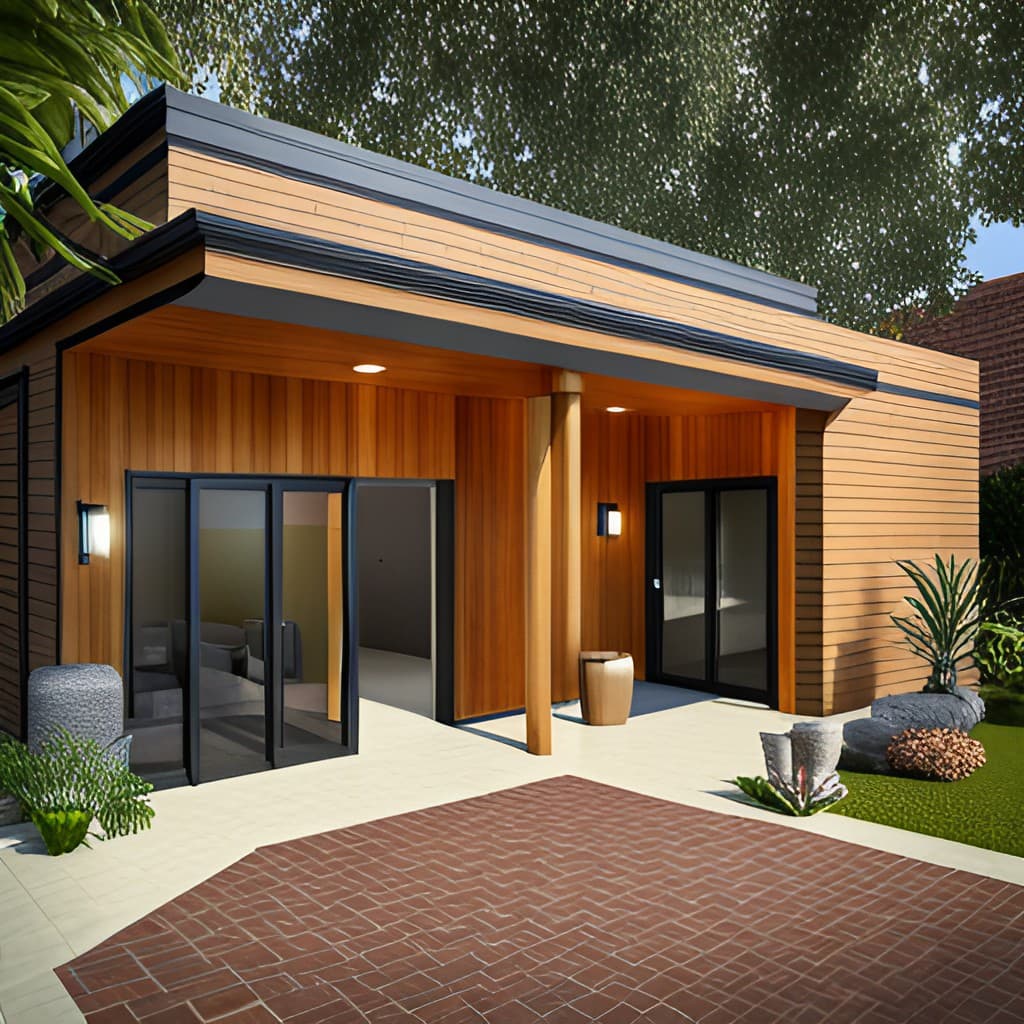
The Georgia House voted overwhelmingly on Crossover Day, March 6, to pass House Bill 1166, clearing the way for homeowners across the state to add a self-contained accessory dwelling unit of 400 square feet or less to their property without seeking a local zoning decision.
The bill creates a statewide zoning exemption for small ADUs placed as secondary units on parcels that already carry a residential designation, with the primary residence required to hold homestead status. Only one such unit is allowed per parcel. The House Governmental Affairs Committee had unanimously advanced the bill during the week of February 22, after which it moved through the House Rules Committee before reaching the floor in time for the Crossover Day deadline. Co-sponsors represent districts in the Macon, Athens, and Atlanta areas.
HB 1166 does not hand homeowners a blank check. Local governments retain full authority to enforce state minimum building codes, septic regulations, historic district protections, floodplain requirements, manufactured housing standards, and infrastructure or utility-related regulations. The bill strips away only the requirement for a zoning decision on qualifying small units, not the broader web of health, safety, and environmental oversight that local governments already apply.
The path to the floor was not entirely smooth. The bill had stalled earlier over concerns that large corporate homebuyers could exploit the new ADU rules at scale. A substitute version addressed that directly by adding language to block institutional investors from adding ADUs to homes they own, limiting the benefit to individual homeowners rather than investment portfolios.
Housing advocates and urbanists hailed the measure as a significant step toward denser residential development. The appeal is practical: rather than requiring every city and county to pass its own ADU ordinance, HB 1166 creates a uniform floor statewide, so a homeowner in a municipality that has resisted ADU-friendly zoning would no longer be blocked by local inaction.

The bill's passage stood in contrast to the fate of HB 400, the Community Housing Options Increase Cost Efficiency (CHOICE) Act, which would have incentivized local governments to allow duplexes and triplexes in single-family areas by giving preference to complying jurisdictions in federal infrastructure and economic development grant competitions administered by state agencies. That bill failed to reach a floor vote on Crossover Day.
The broader housing picture at the Capitol is complicated. SB 476, a Republican-backed proposal to cut the state income tax from 5.19% to 4.99%, would offset the revenue loss partly by paring back state tax credits for affordable housing projects, limiting them to half the amount of the federal Low Income Housing Tax Credit a project receives, effective January 1, 2027. On the other side of the ledger, HB 689 would add homelessness prevention services, including emergency rental assistance and eviction defense, to the state's Housing Trust Fund for the Homeless, building on Governor Brian Kemp's $50 million FY 2026 grant to that fund.
HB 1166 now moves to the Senate, where its provisions, including the investor restriction carved in by the substitute, will face further scrutiny before any statewide zoning override can take effect.
This article was produced by Prism’s automated news system from verified source data, official records, and press releases, then run through automated quality and moderation checks before publishing. The system is built and supervised by the people who set the standards it runs under. Read our full AI policy.
Did this article answer your question?