Habitat for Humanity expands tiny homes to private buyers and backyard builds
Habitat for Humanity is showing its tiny home at the Orangeville ReStore as it opens the program to private buyers and backyard builds. The move grows out of a five-home First Nations pilot.

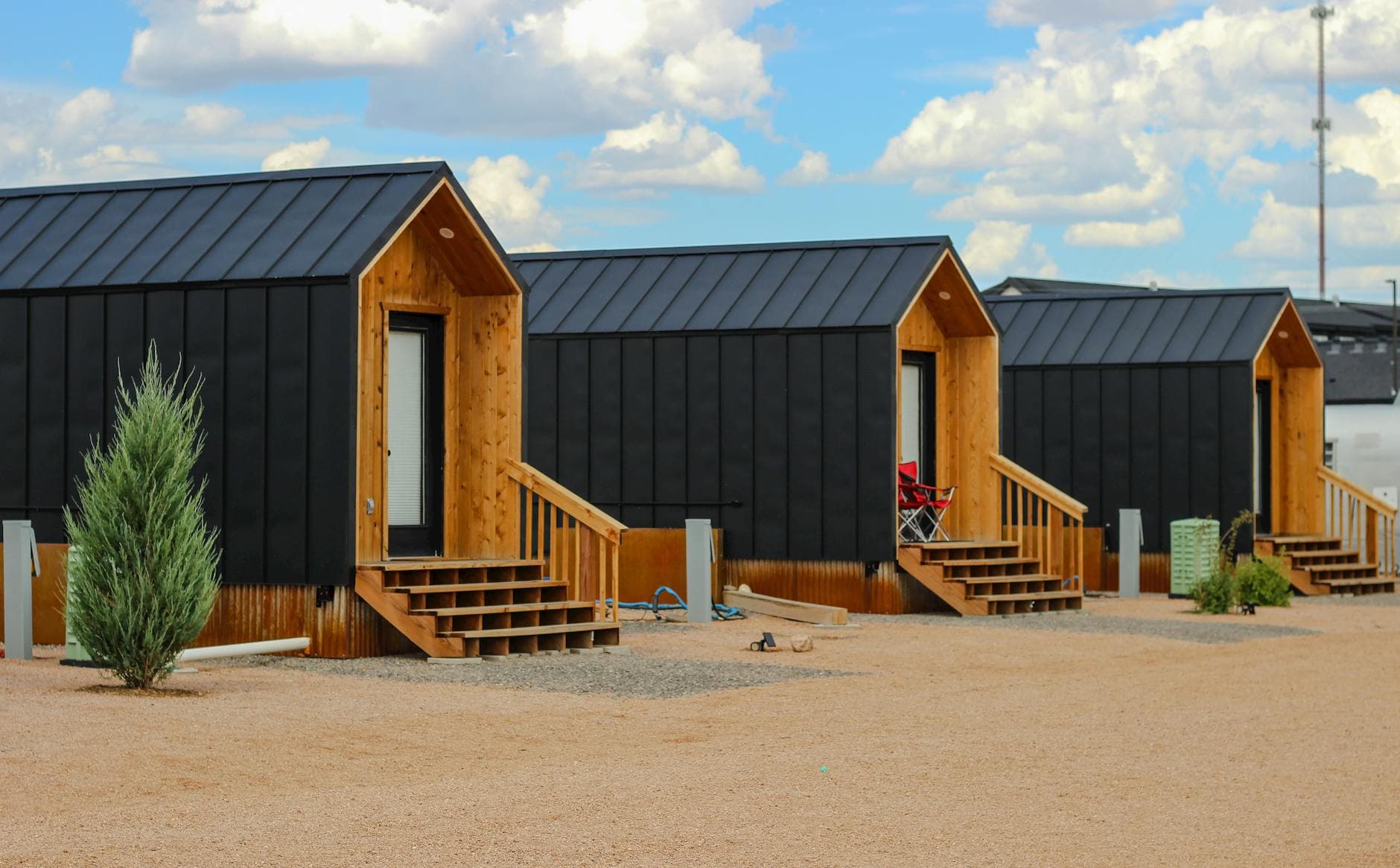
Habitat for Humanity is putting its tiny-home program in front of consumers at the Orangeville ReStore, turning a housing pilot into a product homeowners can actually buy. Peter Oliveira, an engineer with Habitat for Humanity, said the program began in 2022 with Whirlpool Canada as a pilot for small First Nations communities that needed more housing capacity, working with Habitat Grey Bruce and the Chippewas of Nawash Unceded First Nation. The original five homes were built to serve as emergency shelter and short-term, affordable housing, and all five are now occupied.
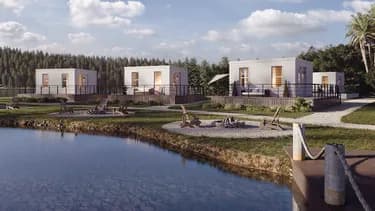
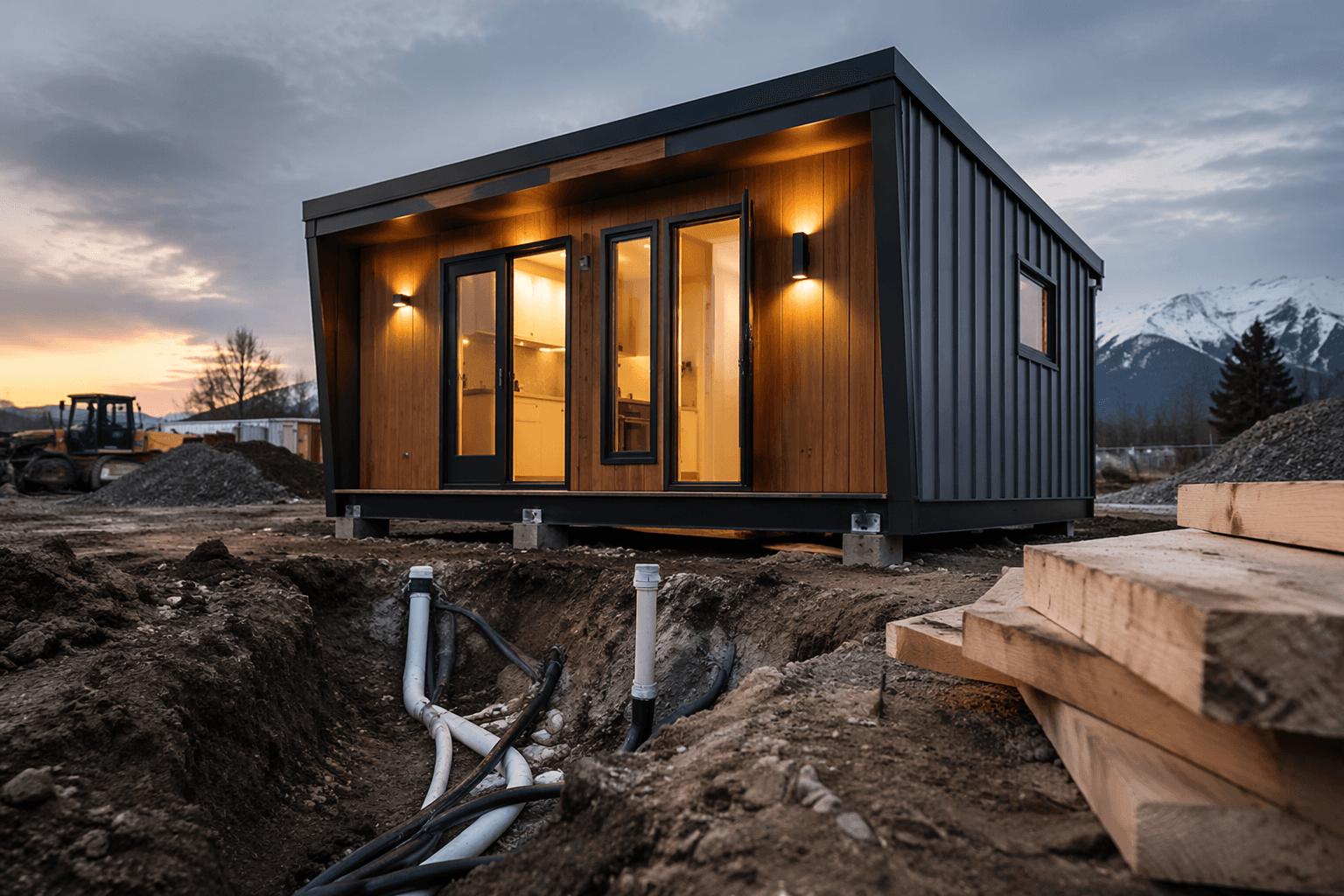
The units themselves are built to Ontario Building Code standards as four-season dwellings and are roughly 250 square feet apiece. Each one includes a full bathroom, a kitchen and a flexible living-sleeping area, which gives the homes enough function to work as more than a backyard shed or studio. Habitat is now offering the same units to private homeowners, including backyard installations, and is presenting them as compact housing for multigenerational living, youth housing, business or office space and other uses that call for a separate but fully finished structure.
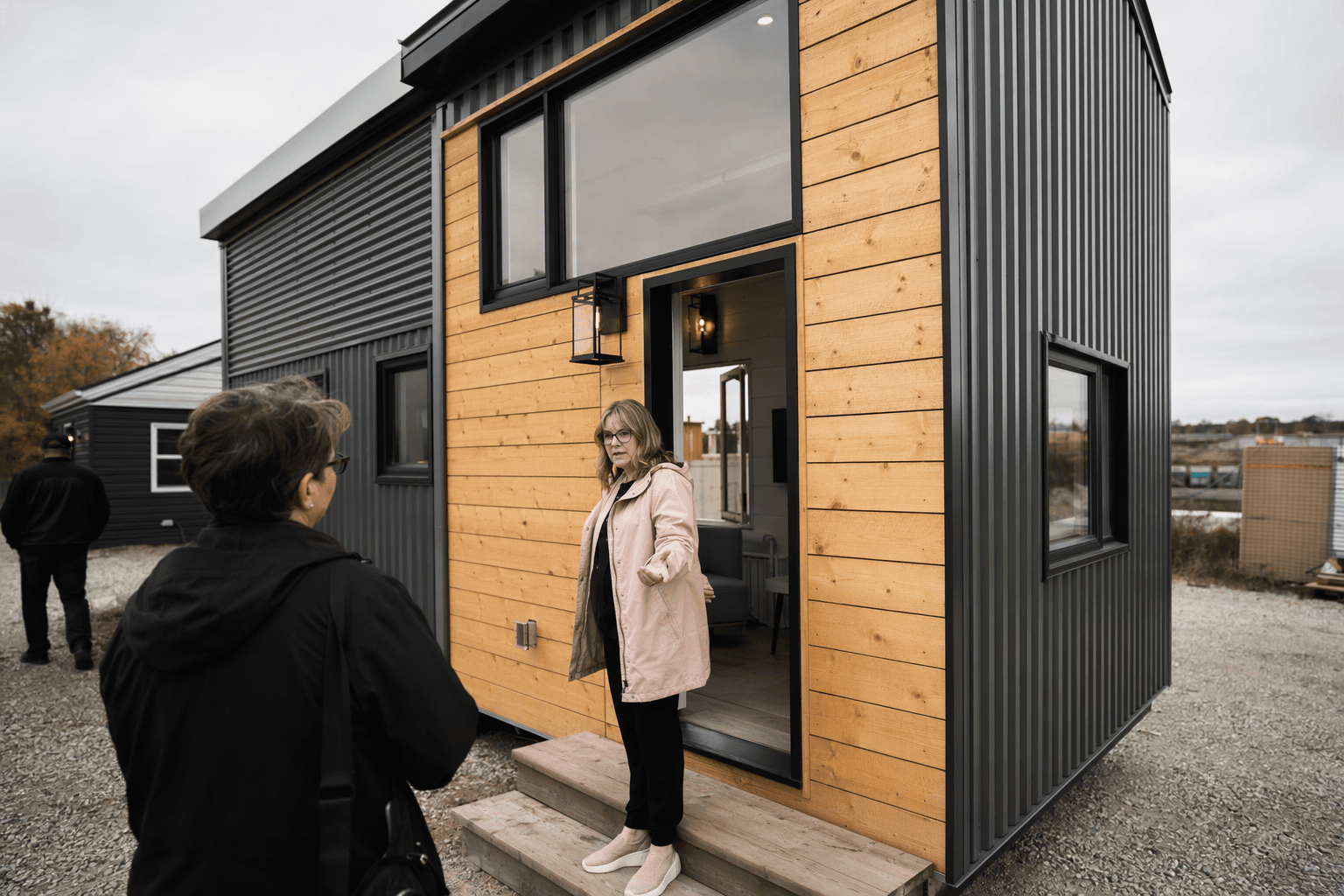
Oliveira said Habitat has already completed its first backyard build for a young adult moving into the backyard while in-laws with care needs live in the main house. That kind of arrangement shows how the program is moving into real household planning, not just charity-driven housing. It also explains why Habitat is helping owners navigate zoning checks, building permits and site assessments. Ontario’s guidance is clear that tiny homes still have to comply with the Building Code, local zoning bylaws and servicing rules for water and sewage, and that homeowners should speak with municipal planning and building departments before buying or installing one.

The Orangeville display also ties into Habitat HMD’s broader retail footprint. Its ReStores in Burlington, Milton, Mississauga and Orangeville have diverted more than 1 billion pounds from local landfills since 1991, and the organization is now using that retail space to showcase a tiny home as a housing solution rather than a curiosity. Habitat’s tiny-home work is still running on other tracks as well, including hands-on trades training, with students from Westside Secondary School and Orangeville District Secondary School working on a tiny home for a First Nations community in the Saugeen area. What started as a five-home pilot for the Chippewas of Nawash has now become a consumer-facing build model, and the Orangeville ReStore is where that shift is now on display.
This article was produced by Prism’s automated news system from verified source data, official records, and press releases, then run through automated quality and moderation checks before publishing. The system is built and supervised by the people who set the standards it runs under. Read our full AI policy.
Did this article answer your question?