Land trust plans tiny homes for BIPOC farmers on Henrico acreage
Sixty acres in Varina are now in land-trust hands, and about four tiny homes are planned to house BIPOC farmer trainees on 54 acres of prime farmland.
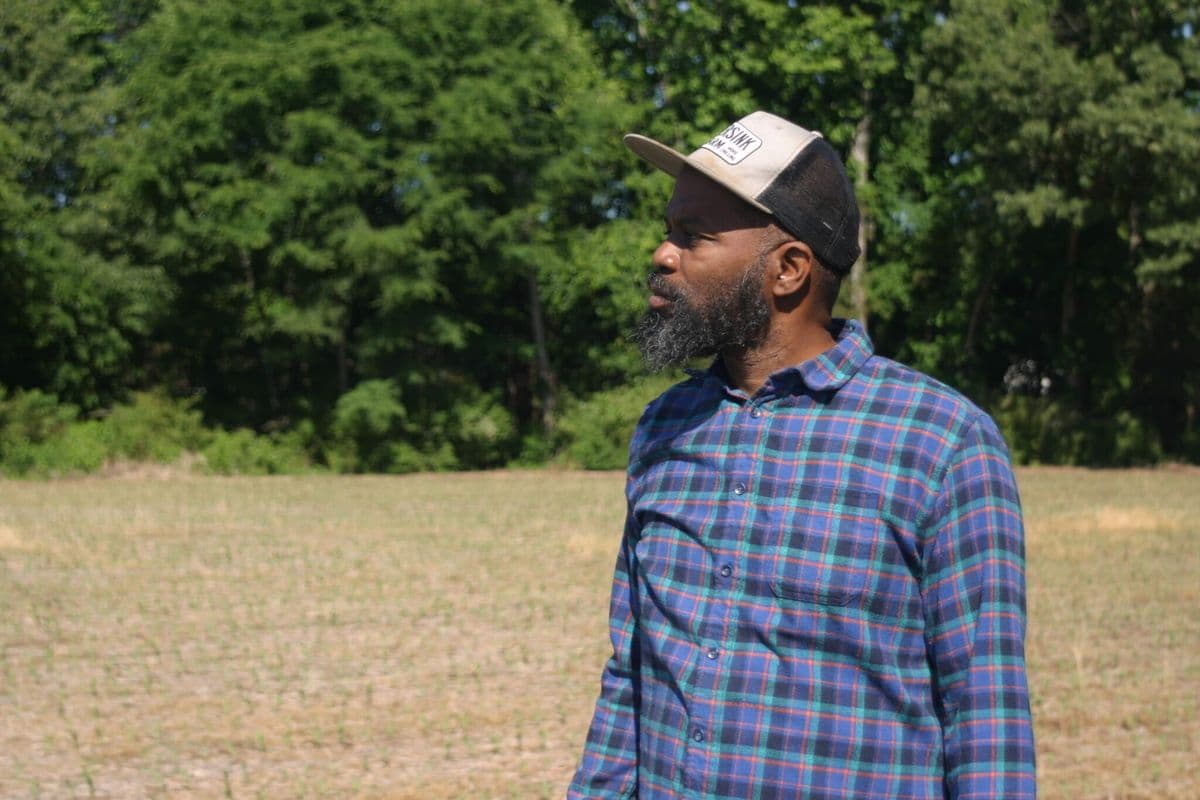
Sixty acres in Varina are now in land-trust hands, and about four tiny homes are planned for 54 acres of prime farmland that will double as a BIPOC farmer training site. The property was donated to the Capital Region Land Conservancy and then transferred to the Central Virginia Agrarian Community Land Trust, putting the land under a model built around farming, not subdivision.
The plan is straightforward and unusually specific for a tiny-home project: trainees would apply to live on the property, work the land, and could eventually gain future plot ownership at little or no cost. That makes the homes more than shelter. They are the housing piece that lets the land trust make access to acreage realistic for farmers of color, especially in a county where developable land has been under constant pressure.
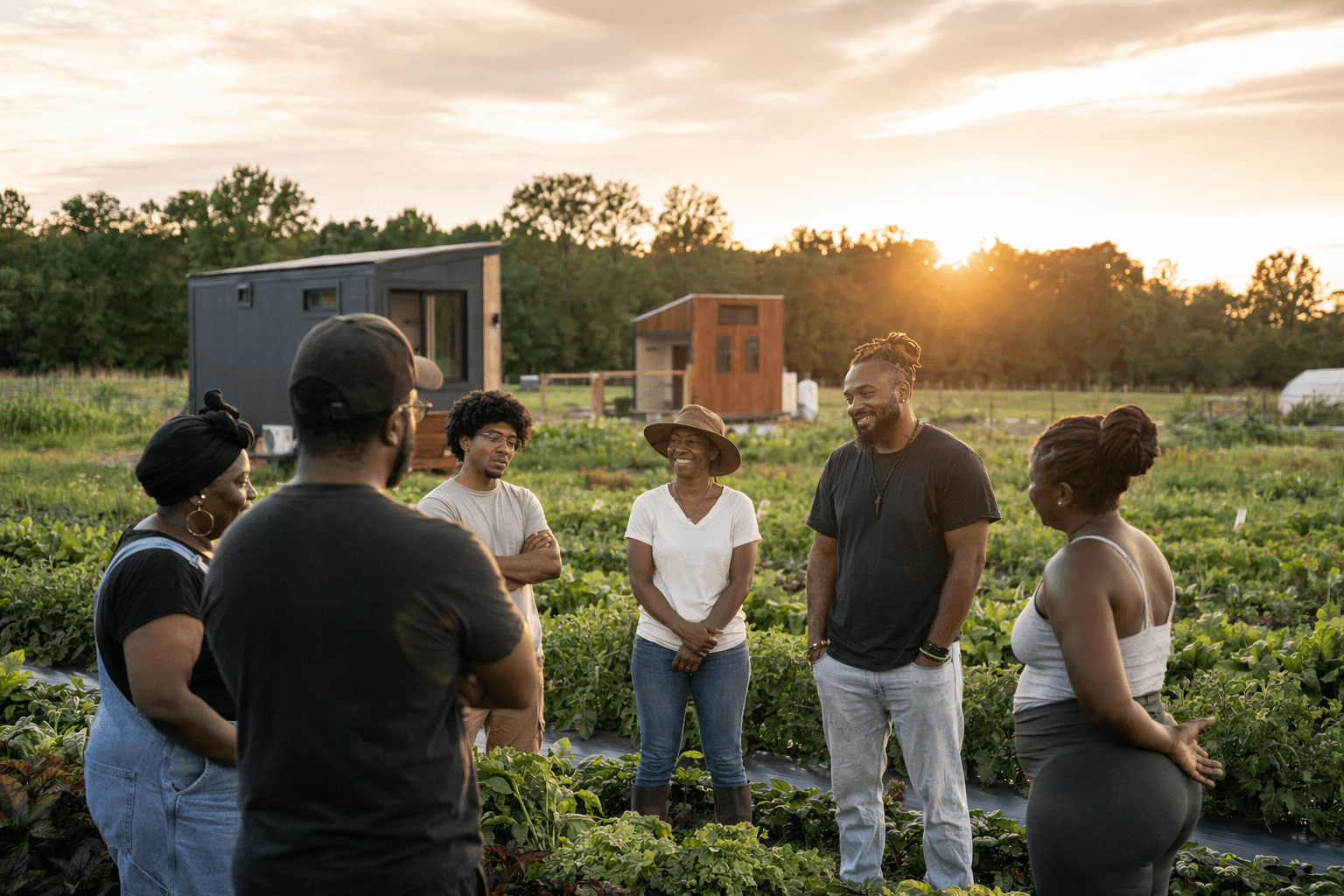
Duron Chavis, chairman of the land trust board, and Parker Agelasto, who leads the Capital Region Land Conservancy, have framed the easement as doing two jobs at once. It protects the property from development and knocks the price down enough to keep farmland in reach. Agelasto has said the same acreage could have supported 40 or 50 houses if the development rights had stayed intact. Instead, the conservation structure keeps the ground in production and opens a path for small-scale growers who are usually shut out of land ownership.
The project also lands in the middle of a much bigger land-loss story. Black Americans owned as much as 19 million acres in the early 1900s, but that figure has fallen to about 3 million acres today. USDA research says Black or African-American producers operated 32,700 farms covering about 5.3 million acres in 2022. In Virginia, the pressure is local and immediate: the commonwealth lost 4,320 farms between 2017 and 2022, about 10 percent of its farms, and more than 1,800 of those losses were farms under 10 acres.
Varina has become a key test case in Henrico County’s broader fight over rural land and development pressure, and the tiny homes now planned there give that fight a practical shape. The land trust has 60 acres, 54 of them prime farmland, and a housing plan tied directly to training and eventual ownership. That is the kind of small-footprint, high-leverage move that could matter far beyond eastern Henrico if it actually gets built.
This article was produced by Prism’s automated news system from verified source data, official records, and press releases, then run through automated quality and moderation checks before publishing. The system is built and supervised by the people who set the standards it runs under. Read our full AI policy.
Did this article answer your question?