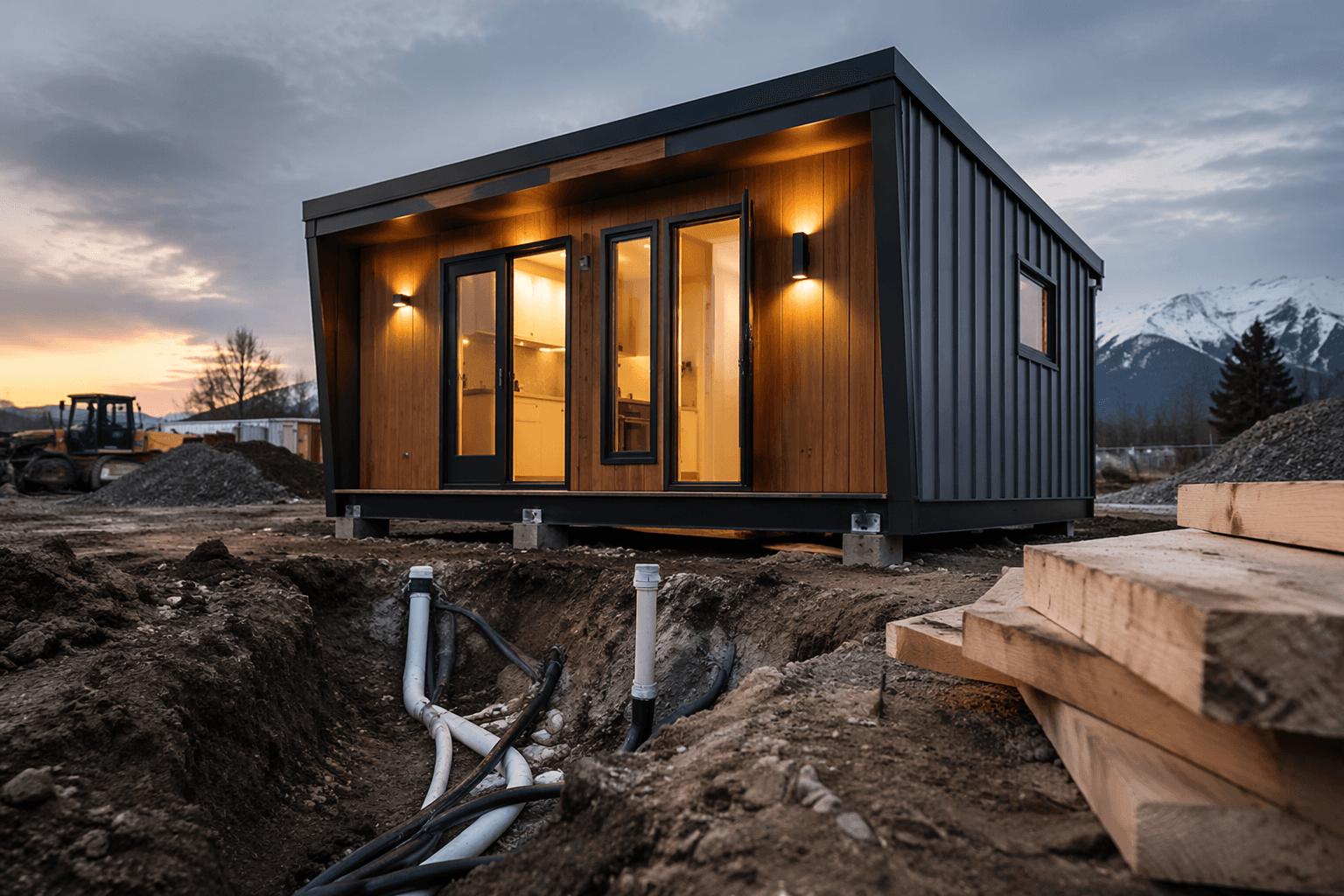
Illegal tiny home in Guelph woods sparks zoning, safety and housing debate
A man built and is living in a tiny home in a wooded lot outside Guelph, Ontario, placed without permits, sparking local debate over zoning, safety and housing access.
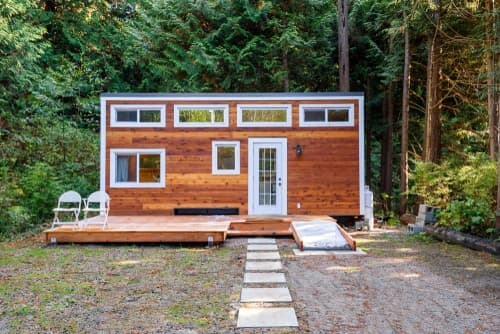
A privately constructed tiny home in a wooded area outside Guelph has drawn neighbours and municipal officials into a debate about where small dwellings belong and how they should be regulated. The structure was placed without local permits, and residents and officials raised immediate concerns about safety, zoning compliance and enforcement options.
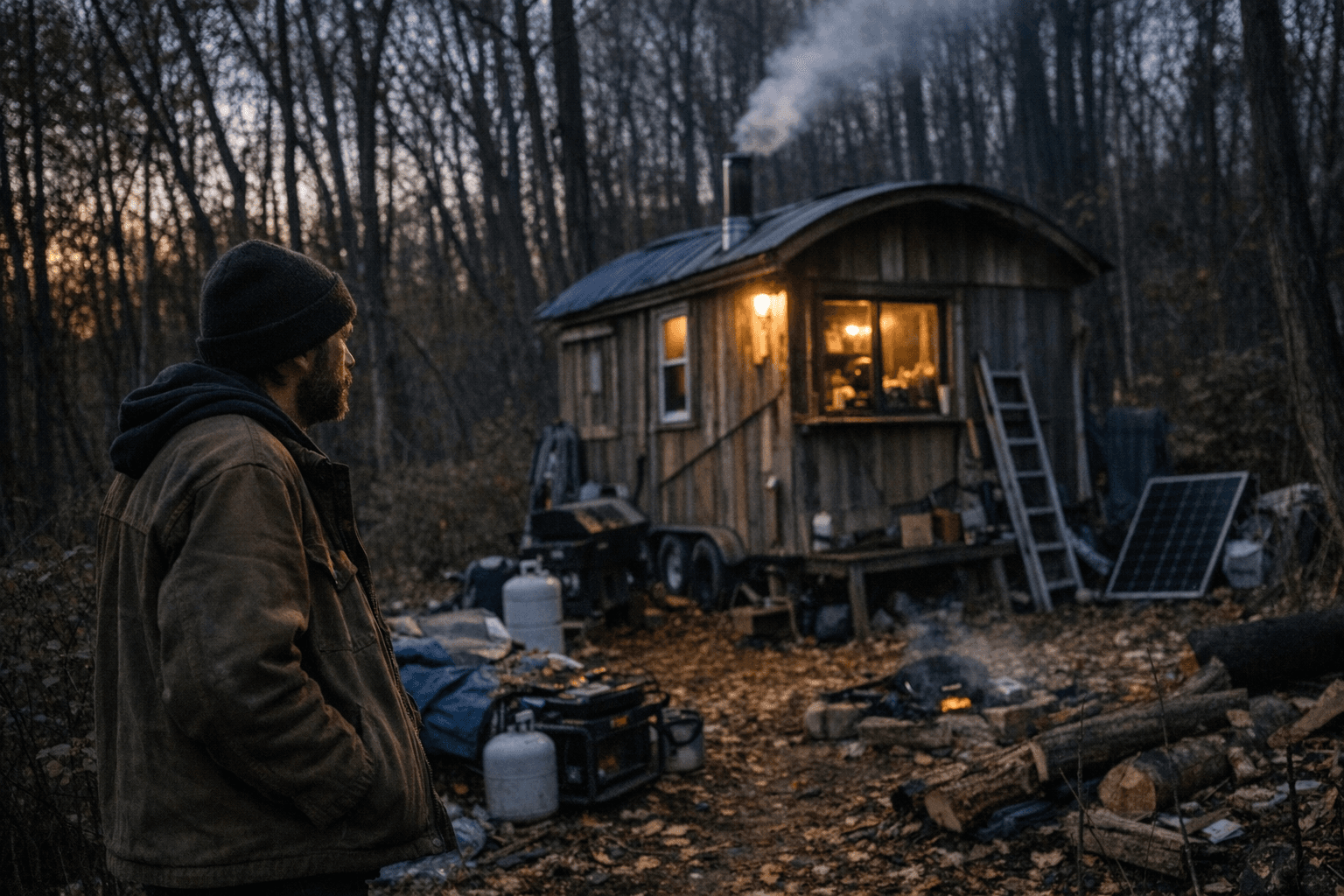
The occupant built and moved into the tiny home in the woods, choosing a location outside established residential parcels and formal permitting processes. Neighbours reported unease about fire risk, trespass and long-term land use, while municipal staff highlighted that land-use rules and building codes are designed to manage sewage, electrical safety and emergency access. The placement illustrates a recurring tension between people pursuing lower-cost, smaller-footprint living and municipalities charged with enforcing zoning bylaws and public-safety standards.
Tiny houses are increasingly part of the housing-access conversation because they can offer lower-cost options and rapid shelter for people priced out of mainstream housing. At the same time, municipalities rely on zoning maps, site-plan approvals and building permits to ensure safe siting. When a dwelling appears outside those systems, it raises questions about septic or sewer connections, approved electrical hookups, pathways for emergency services, and potential environmental impacts to woodlands and watersheds.
For local tiny-house builders and owners, this incident underscores practical priorities before selecting a site. Verify local zoning and any conservation-area rules, secure building and plumbing permits where required, and document approved methods for power, heating and waste management. Confirming setbacks and emergency access routes with the municipal planning and fire departments reduces the risk of ordered removal and minimizes safety liabilities for neighbours and property owners.
For people and organizations focused on housing access, the situation highlights how informal tiny-home placements can become flashpoints that connect homelessness issues with municipal land-use controls. Clear and accessible pathways for legal tiny-house projects - such as permissive zoning for accessory dwelling units, pilot sites for tiny-home communities, or streamlined permitting for small-scale units - can reduce friction between people in need of shelter and local regulators.
Municipal responses typically include inspections, notices to comply and, when necessary, removal orders or fines. How Guelph proceeds will matter to nearby residents and to tiny-house advocates watching for precedent in the region. Expect local enforcement follow-up and potential policy discussions at the municipal level.
Verify local rules before building, prioritize approved safety systems, and follow municipal processes to minimize conflict. This case makes clear that tiny houses can expand housing options, but without formal permits they quickly become a zoning and safety problem for neighbours and officials.
This article was produced by Prism’s automated news system from verified source data, official records, and press releases, then run through automated quality and moderation checks before publishing. The system is built and supervised by the people who set the standards it runs under. Read our full AI policy.
Did this article answer your question?