Kalamazoo woman launches tiny homes for residents turned away by landlords
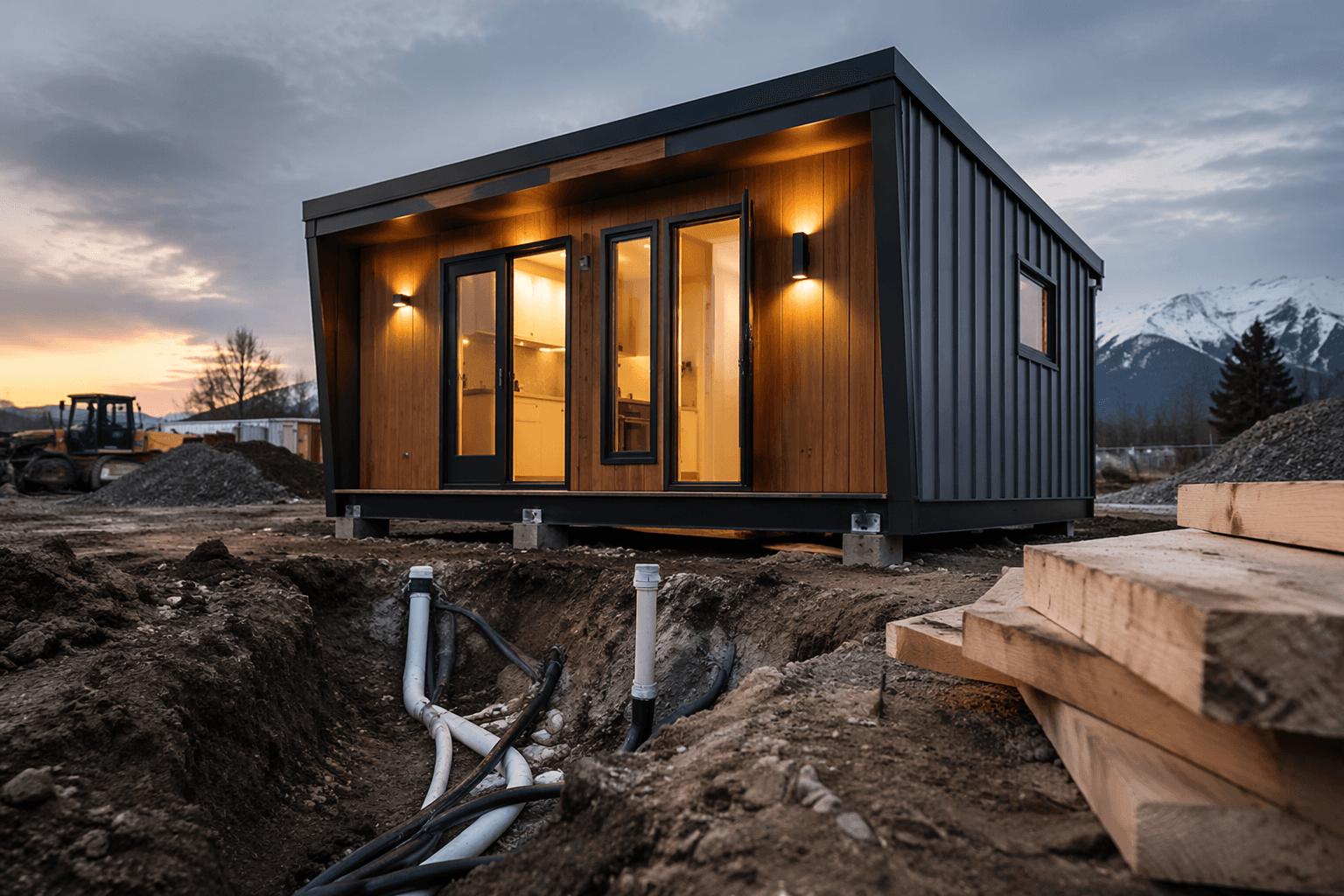
Gwendolyn Hooker turned three 400-square-foot homes into a housing path for Kalamazoo residents landlords kept turning away.
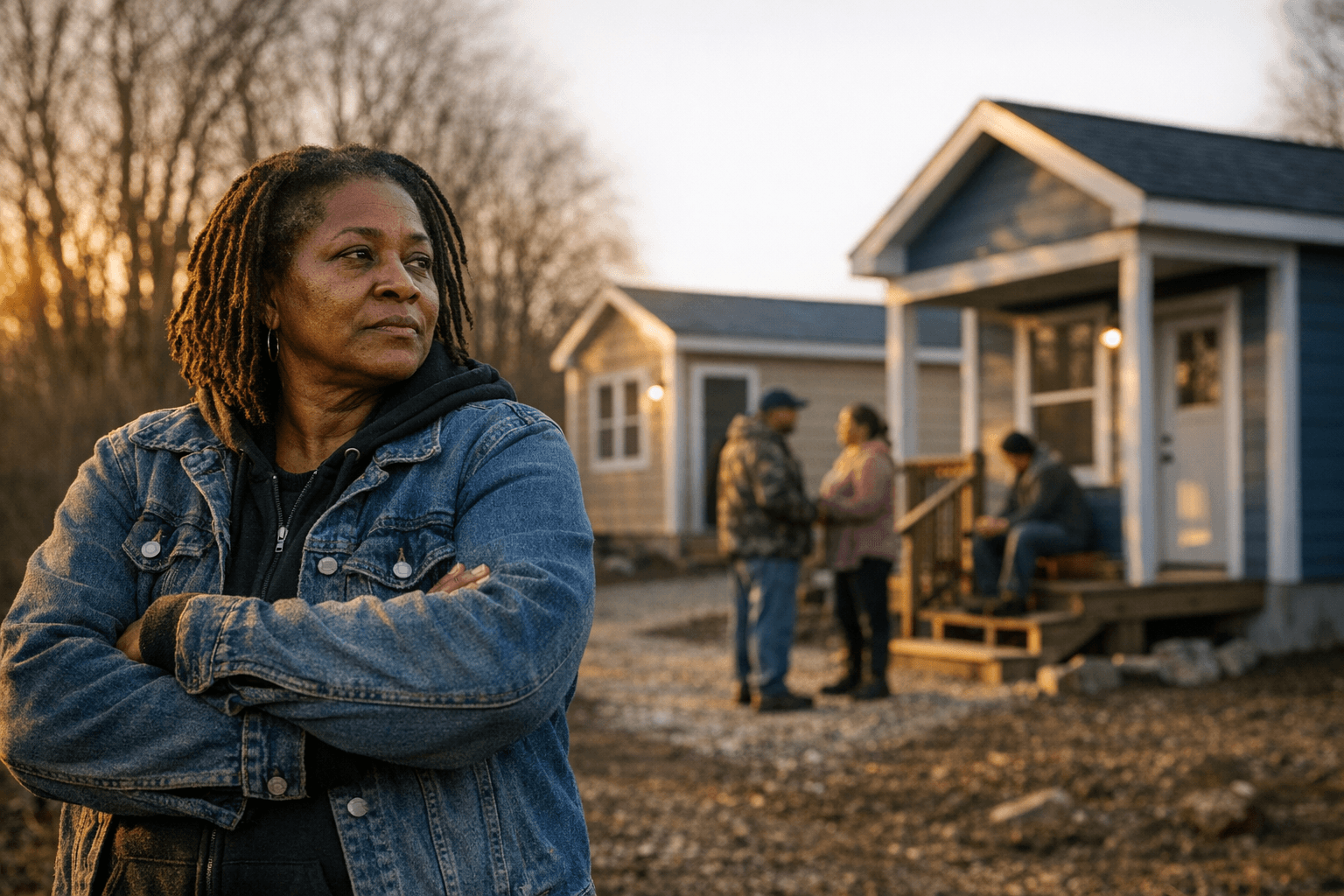
Gwendolyn Hooker built Tiny Houses of HOPE as a direct answer to a housing market that keeps shutting people out. In Kalamazoo’s Northside neighborhood, the project opened with three 400-square-foot homes at the corner of W North Street and N Westnedge Avenue, aimed at residents who have struggled to find an apartment because of a criminal record or substance use disorder history.
Hooker, the CEO and founder of HOPE thru Navigation, said the work grew out of her own life. She was formerly incarcerated and has been in recovery for nearly 17 years, and she has tied the project to a simple idea: if landlords will not rent to someone because of their past, build a different door in. The first phase of Tiny Houses of HOPE included the three homes that launched with a ribbon-cutting on December 12, 2024, and rental applications opened the same day.
The project was designed as more than just a row of small houses. Phase 2 called for an on-site leasing building with wrap-around navigation services, while Phase 3 would add three more homes on the adjacent lot. Hooker has said she wants to grow the model into multiple tiny-home hubs across Kalamazoo neighborhoods, with the broader vision reaching as many as 24 tiny houses.
The homes were pitched as a lower-cost option in a city where the need is far larger than the supply. HOPE described the project as a $500,000 effort that had been delayed in 2020 by COVID-19 logistical problems. Residents were expected to pay about $1 per square foot, or roughly $400 a month, and they had to fall between 30% and 60% of area median income. That price point, paired with on-site support, made the model one of the few local options aimed specifically at people with barriers to traditional leasing.
The timing matched a broader housing crunch across Kalamazoo County. A county housing plan found the area needs about 7,800 additional housing units by 2030, and more than 15,000 renter households are financially overburdened. Michigan’s homelessness problem has also deepened, with state figures showing an 8% increase from 2021 to 2022, from 30,113 people to 32,589. Tiny-house advocates have pointed to that pressure as a reason projects like HOPE’s are gaining traction, alongside other Michigan efforts such as Cass Community Social Services in Detroit, where tenants can rent with a path to ownership after seven years.
This article was produced by Prism’s automated news system from verified source data, official records, and press releases, then run through automated quality and moderation checks before publishing. The system is built and supervised by the people who set the standards it runs under. Read our full AI policy.
Did this article answer your question?