Madisonville tiny-home village aims to house veterans, raise final $760,000
A 14-unit Veterans Village was planned behind Gaines United Methodist Church, but Tiny Homes for Humanity still needed $760,000 to unlock a grant.

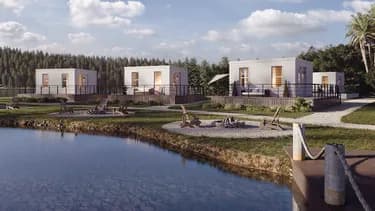
Madisonville became a focal point in Cincinnati’s tiny-home conversation as Tiny Homes for Humanity and Gaines United Methodist Church moved ahead with plans for a 14-unit Veterans Village on three-quarters of an acre behind the church. The project was pitched as a permanent supportive community for unhoused veterans, individuals and families, with founders saying they wanted the site to feel like a real neighborhood rather than a row of isolated units.
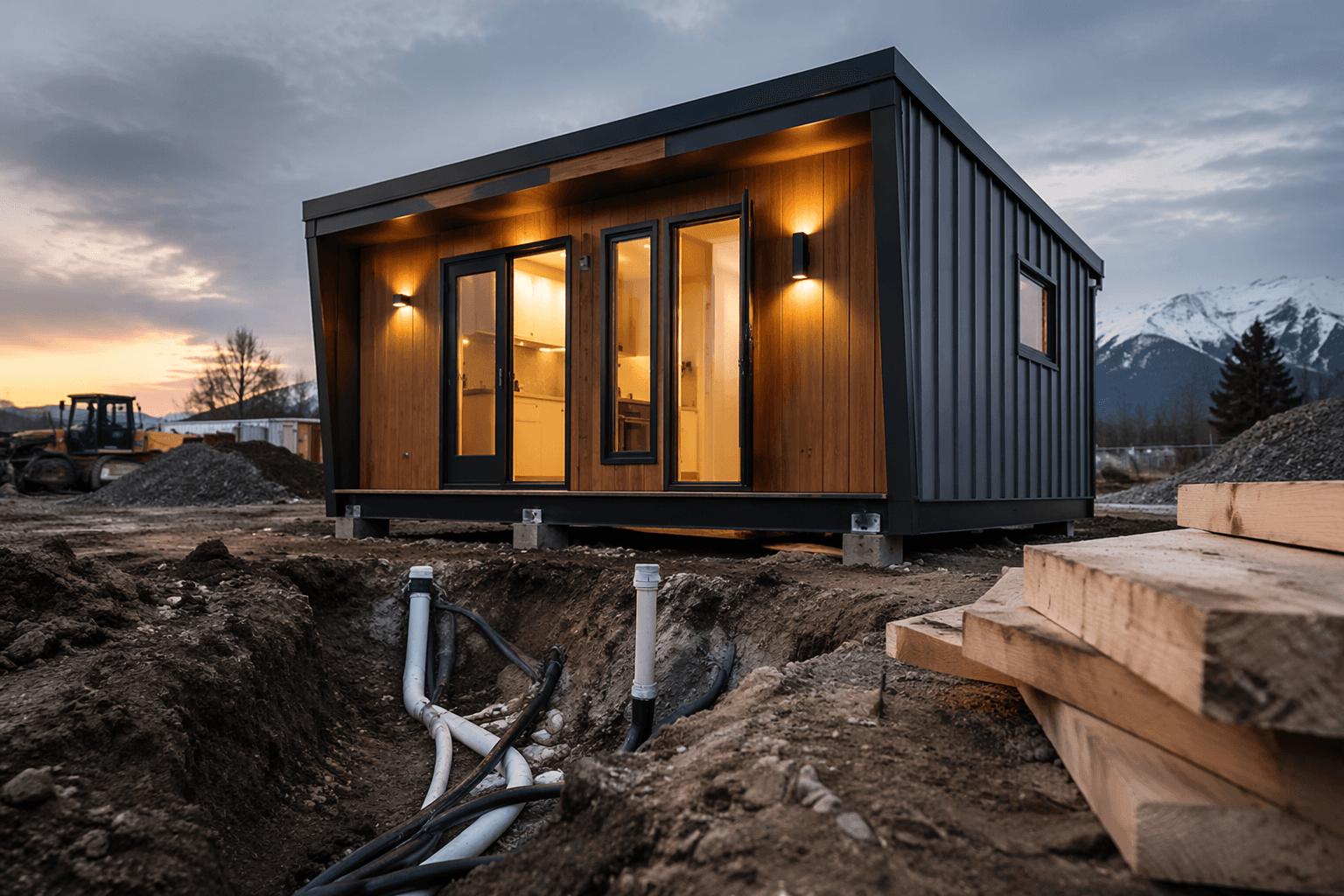
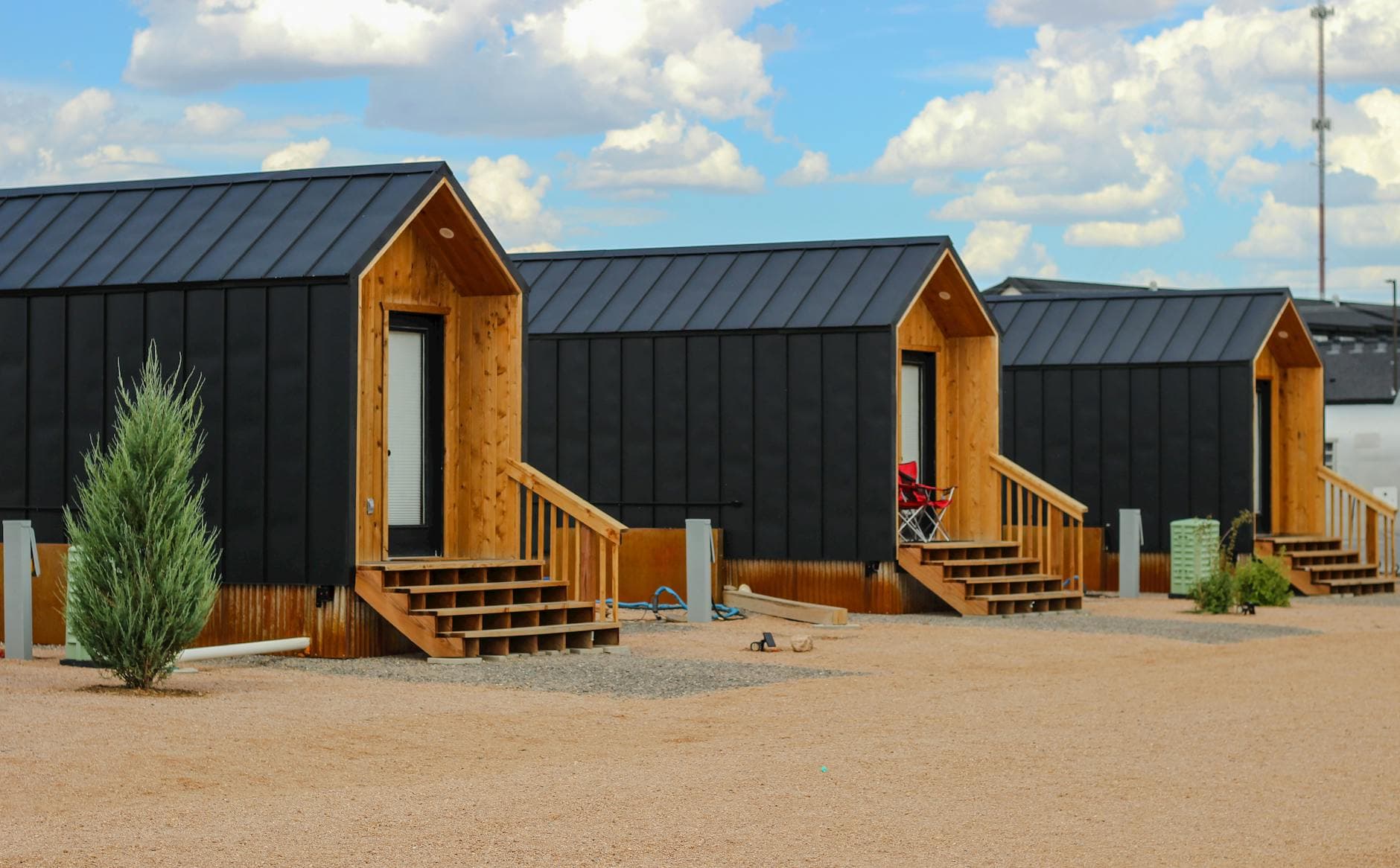
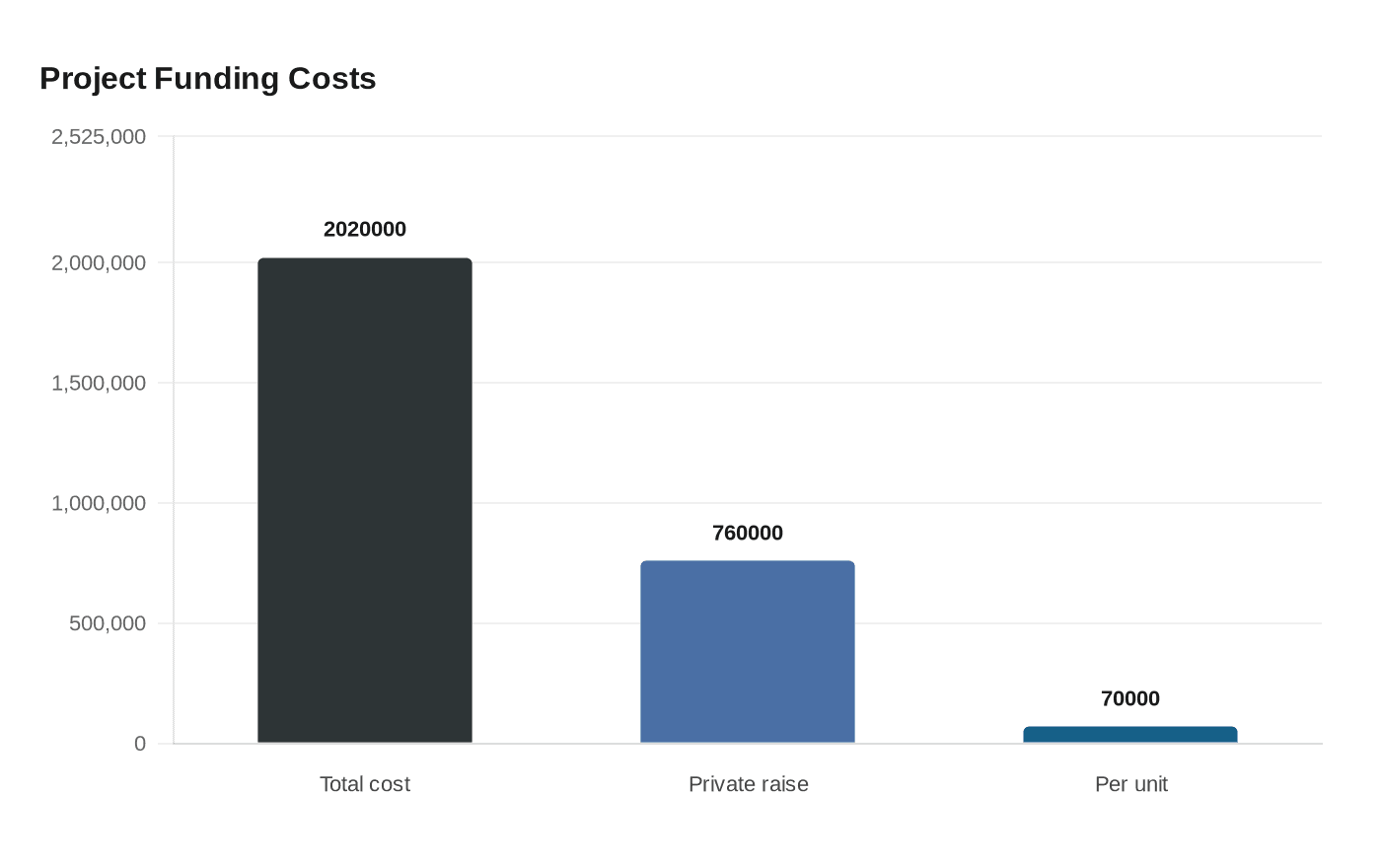
The village was designed around compact but fully functional homes. Each unit was budgeted at about $70,000 and was planned to include a porch, living area, kitchenette, dining area, full bathroom and bedroom space. That layout was meant to give residents a private home base while still keeping the community close-knit, with social interaction, camaraderie and personal responsibility built into the model.
Money remained the biggest hurdle. The total project cost was pegged at $2.02 million once site infrastructure, engineering and related expenses were included. Tiny Homes for Humanity said it had a conditional commitment for a major government grant, but only if it could raise $760,000 in private donations by June 30. That fundraising deadline made the project a race to move from concept to construction.
The broader need around the village was stark. The West Ohio Conference’s project write-up said Cincinnati alone was short more than 40,000 affordable homes, while more than 6,000 Hamilton County residents were unhoused. Against that backdrop, the Madisonville site was framed not just as another housing proposal, but as a targeted response to a persistent local shortage.
Tiny Homes for Humanity leaders said they hoped the village would become a model for future tiny-home communities across Cincinnati. By centering veterans and pairing permanent supportive housing with a small, village-style layout, the project aimed to do more than provide shelter. It was intended to offer stability, community and a path toward rebuilding daily life, if the final private dollars came in on time.
This article was produced by Prism’s automated news system from verified source data, official records, and press releases, then run through automated quality and moderation checks before publishing. The system is built and supervised by the people who set the standards it runs under. Read our full AI policy.
Did this article answer your question?