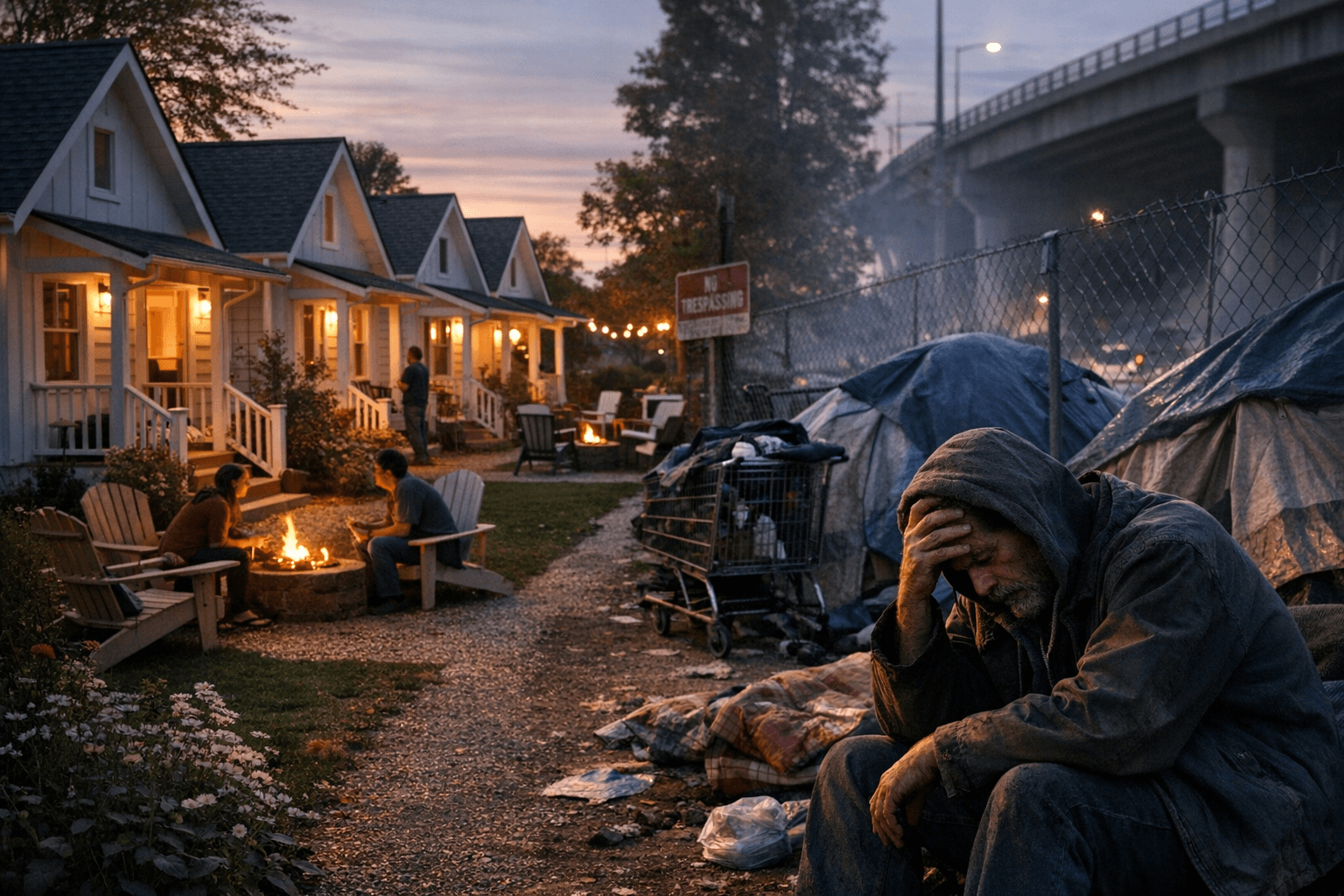
Maryland Counties Raise Infrastructure Concerns Over Mandated ADU Requirements in HB1538
Maryland counties warned HB1538 would effectively triple single-family density statewide, straining schools, wastewater systems, and roads with no local recourse.

The Maryland Association of Counties filed formal opposition to HB 1538 on March 13, warning the Economic Matters Committee that the bill marketed as the "Maryland Generational Housing Act of 2026" would effectively triple the density allowed in every single-family zone across the state without giving counties any mechanism to manage the consequences.
Dominic Butchko, MACo's Director of Intergovernmental Relations, submitted the written testimony laying out what the bill would actually require: local governments must permit both an internal and a detached external accessory dwelling unit on single-family lots regardless of existing density limits, while the legislation simultaneously restricts new parking requirements and allows ADUs to share utility meters and lines with the primary residence. That combination, MACo argued, produces a de facto statewide density mandate with no local override.
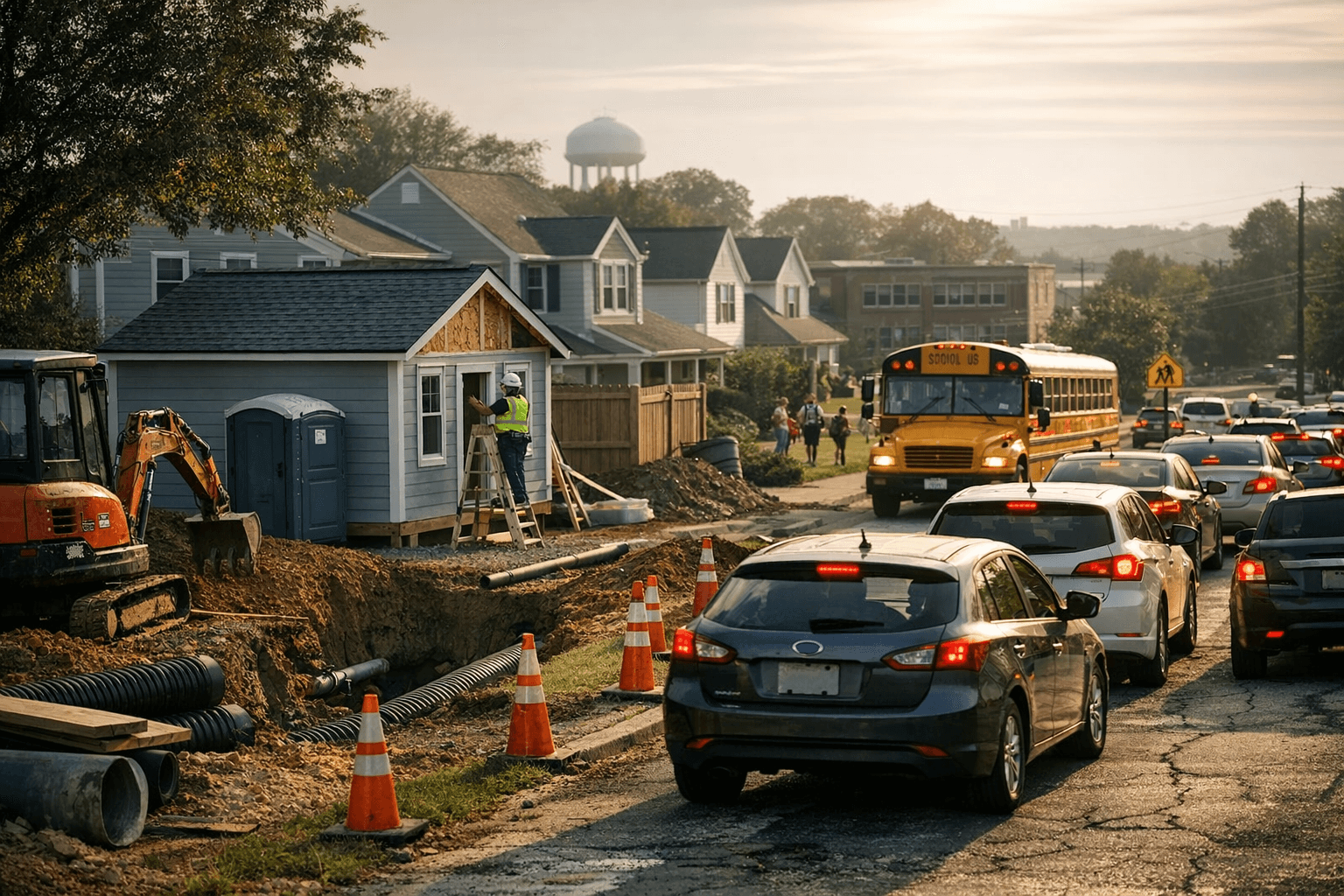
"By authorizing the development of multiple accessory dwelling units without sufficient regard for system capacity or other local planning factors, HB 1538 abandons decades of practice related to responsible growth management," Butchko's testimony stated. The filing was explicit about what counties would face: "overwhelmed classrooms, overstressed transportation networks, overflowing wastewater treatment facilities, and potential public health and safety worries," with no recourse to address any of it.
Under Maryland law, counties currently set density by weighing infrastructure capacity, geography, environmental conditions, and community input together. MACo's testimony argued HB 1538 bypasses that framework entirely, calling it a bill that "falls dramatically short of a well-tailored response to Maryland's current needs and would create significant on-the-ground challenges at the community level."
The fiscal dimension compounds the infrastructure strain. MACo characterized the bill as creating "significant operational and fiscal challenges for local governments" while abandoning "long-standing smart growth principles and well-considered local planning processes."
MACo's opposition is not a blanket resistance to ADU expansion. The association pointed to its role in advancing the Affordability Act of 2024 (HB 538/SB 484) and the 2025 legislation that authorized ADUs statewide (HB 1466/SB 891). That track record culminated in MACo's own 2026 legislative initiative, the Building Affordably in My Back Yard Act, which the organization described as "a county-backed comprehensive and pragmatic path forward to meet the current moment." Counties, MACo stated, "welcome tools to help advance housing at all levels, where it fits within their infrastructure capacity."
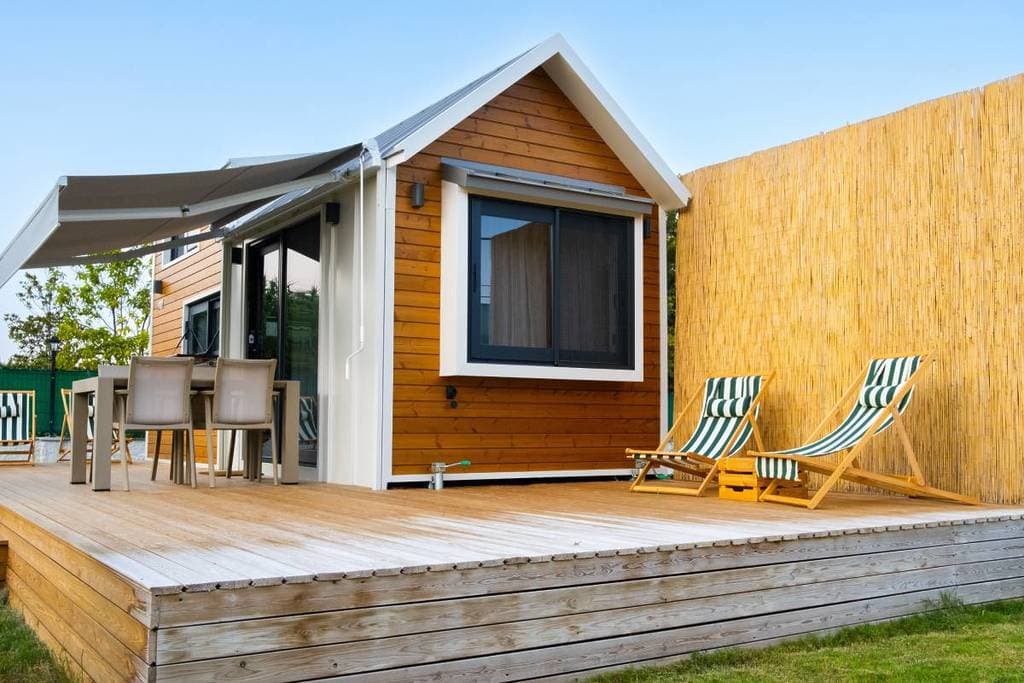
The regulatory patchwork already visible in Maryland illustrates why a one-size mandate draws concern. Anne Arundel County currently prohibits tiny houses on private residential property altogether, allowing placement only in county-licensed mobile home parks that can provide dedicated infrastructure oversight. Frederick City takes the opposite approach, permitting tiny houses as ADUs in appropriate residential zones under a structured framework that includes design standards, setback requirements, parking provisions, and design review at the permitting stage. Mandating that both jurisdictions absorb two ADUs per single-family lot regardless of their existing capacity plans is precisely the tension MACo's testimony targeted.
MACo closed its filing with an unambiguous procedural request: "MACo respectfully urges the Committee to issue an UNFAVORABLE report on HB 1538." The bill now awaits action from the Economic Matters Committee, with county officials watching whether lawmakers will address the infrastructure gaps the testimony identified or advance the density expansion as written.
Know something we missed? Have a correction or additional information?
Submit a Tip