Minneapolis Avivo Village Tiny-Home Shelter Moves Hundreds Into Permanent Housing
Avivo Village has moved 340 people into permanent housing and reversed nearly 250 overdoses since 2020; now St. Cloud is spending $7.6M to replicate its 100-unit warehouse model.
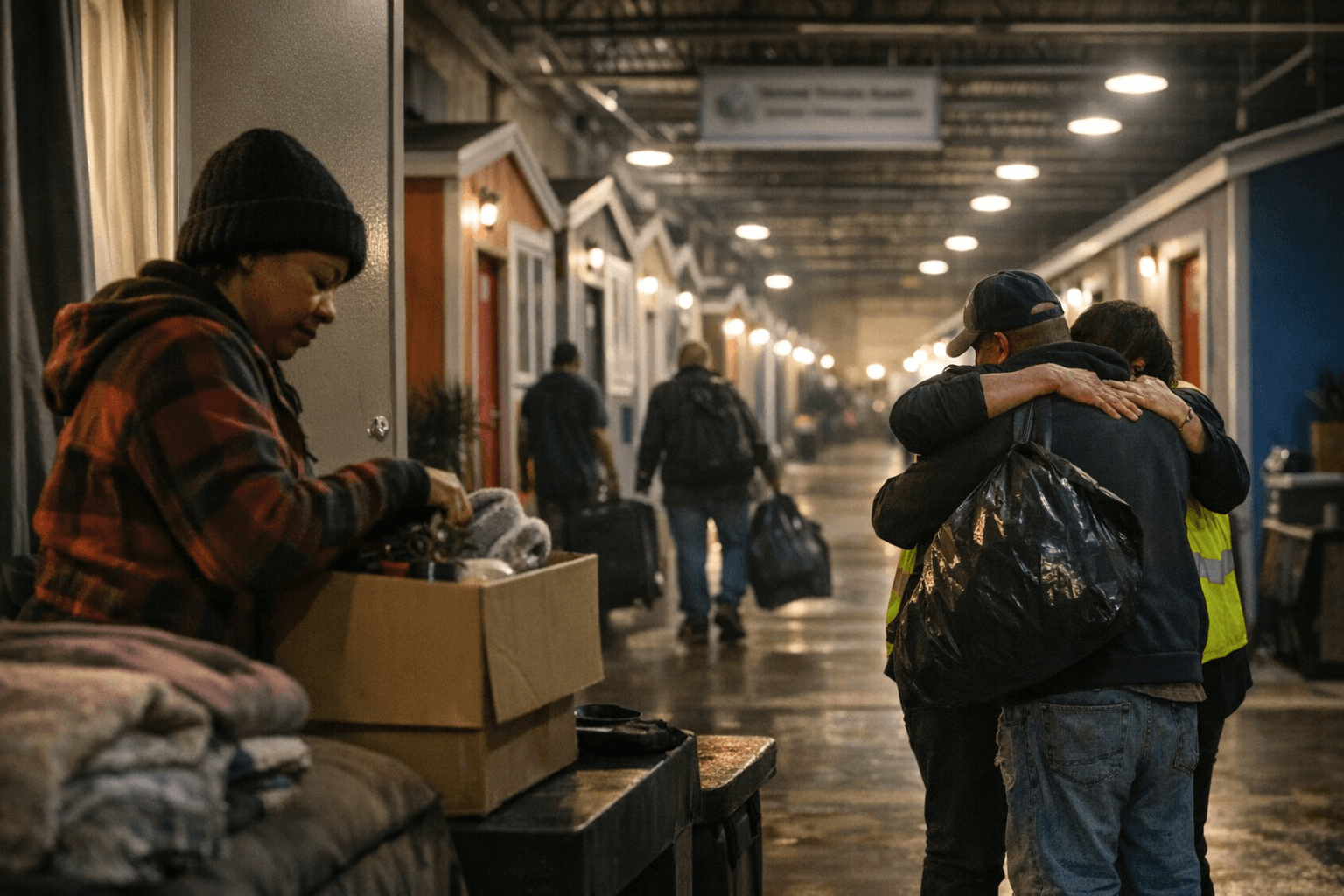
Inside a repurposed warehouse in Minneapolis's North Loop, 100 boxy 70-square-foot homes are arranged in long rows. The space is Avivo Village, and as of February 2026, it has served 831 individuals, moved 340 into safe permanent housing, and reversed nearly 250 overdoses since opening in December 2020.
The metrics come from Avivo, the Minneapolis nonprofit that operates the facility with round-the-clock staffing. Each lockable unit comes furnished with a bed and a chair; shared amenities include showers, laundry, accessible restrooms, and kitchens. On-site services span substance use disorder treatment, mental health therapy, medical care, case management, and pathways to employment, all under the same roof.
Program director David Jeffries has been direct about what sets the model apart from congregate shelter: "The winters are harsh here. Living on the streets here is harsh." For residents arriving after months or years outside, each private, lockable unit delivers something conventional shelter systems typically cannot: a door that closes.
Kelly Matter, Avivo's president and CEO, has pointed to the Village as proof of what coordinated nonprofit services can achieve under one roof. The program's Housing First approach is culturally responsive and trauma-informed, with Avivo staff and security on site 24 hours a day, seven days a week. No traditional referral process is required, and anyone over 18 who is unsheltered can access it directly.
The overdose reversal count carries particular weight. John Tribbett, service area director of Avivo's Ending Homelessness Division, noted that none of the overdose calls resulted in death, adding that residents almost certainly would not have survived had they still been living on the street when those overdoses occurred.
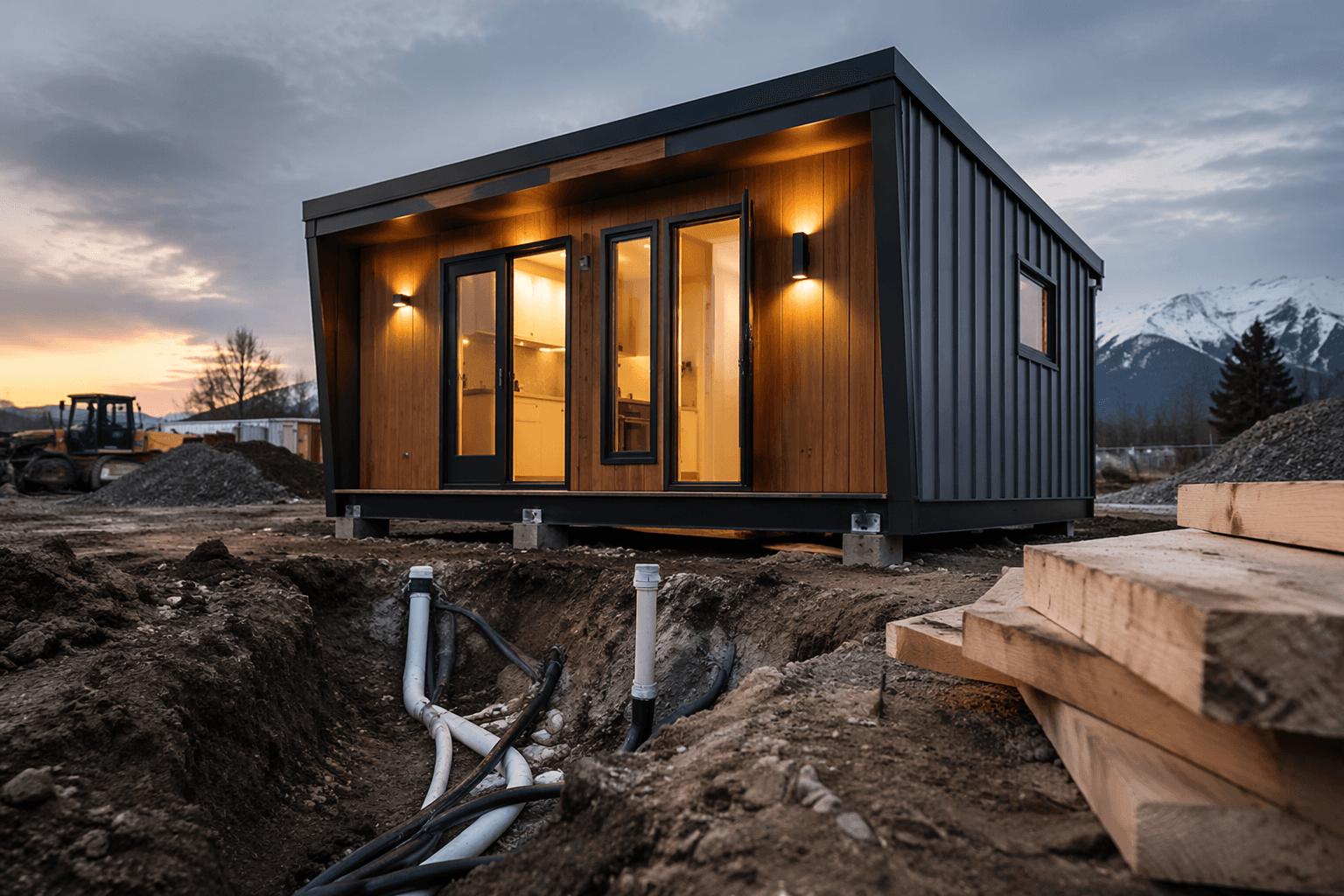
Running the facility costs $4.5 million per year. Minneapolis initially put $3.6 million into the project. Those operational costs remain part of ongoing conversations about long-term funding sustainability, but replication has moved ahead regardless. A 48-unit complex modeled after Avivo Village is under construction in St. Cloud, Minnesota, backed by $7.6 million in funding. Matter has cited more than 300 people sleeping outside in St. Cloud as the driving need, with a mid-2026 opening expected.
Five years and 831 residents into the experiment, Avivo Village's numbers now offer the tiny-home advocacy space something rare: a warehouse model with documented exits, documented reversals, and another city already deep in construction to copy it.
This article was produced by Prism’s automated news system from verified source data, official records, and press releases, then run through automated quality and moderation checks before publishing. The system is built and supervised by the people who set the standards it runs under. Read our full AI policy.
Did this article answer your question?