Mississippi Residents Weigh Tiny Homes Amid Rural Land and Zoning Tradeoffs
Mississippi has no statewide tiny home rules, leaving residents to navigate a county-by-county patchwork where two neighboring towns can operate under completely different codes.
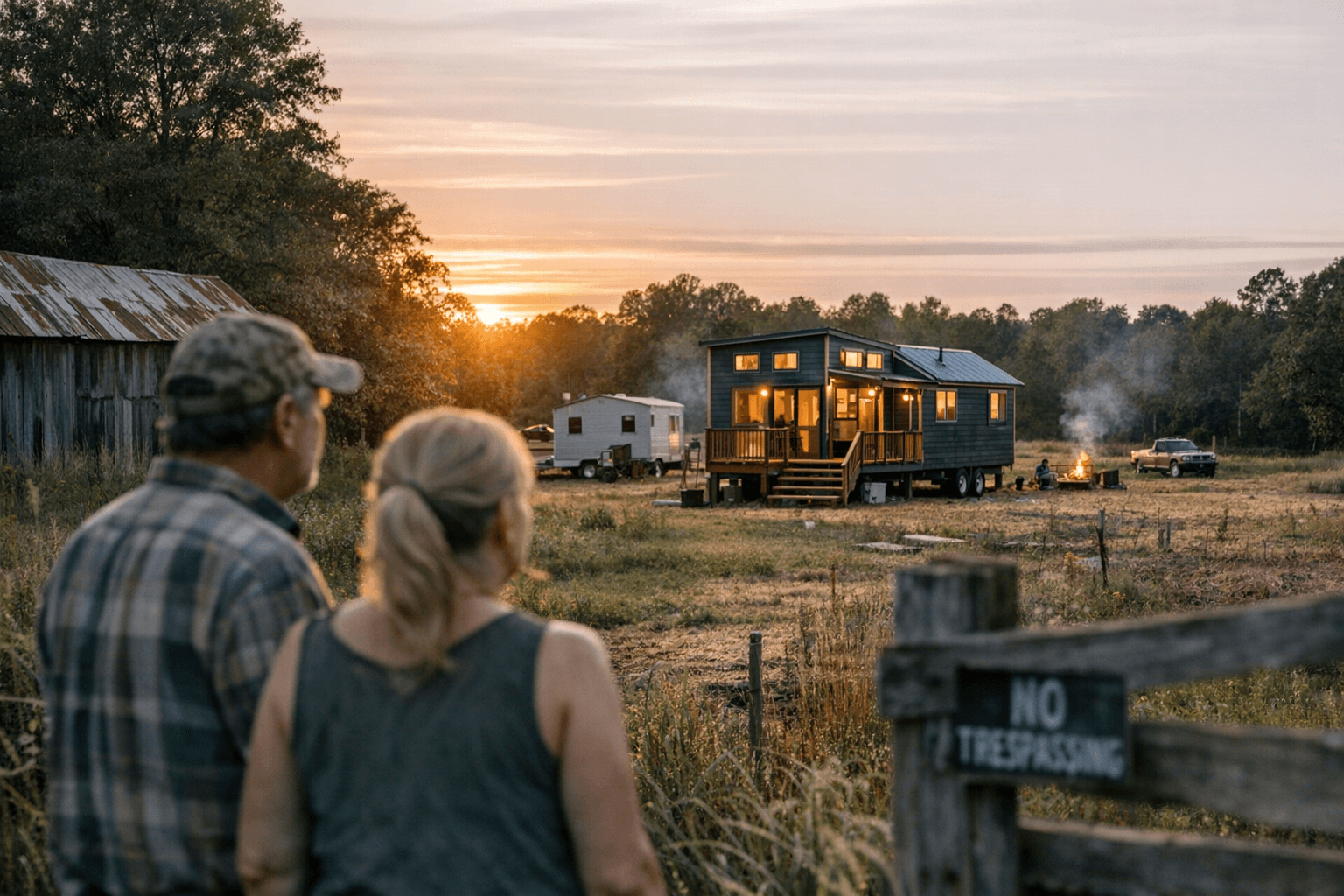
Mississippi sits in an unusual position in the tiny home landscape: the state has no statewide rules governing tiny homes at all. That regulatory vacuum hands everything down to the county and municipal level, creating a patchwork where two towns in the same county can operate under entirely different building standards. One township might welcome a small structure on a rural lot; the neighboring one might have no framework for permitting it at all.
That tension sits at the center of a recent Clarion Ledger photo gallery that surveyed tiny-home builders and homeowners across the state. Residents described their motivations in terms familiar to anyone who follows the tiny living movement: affordability, a simpler lifestyle, and the freedom to move. Their accounts of actually navigating the build process were considerably more cautious.
The state's largely rural character cuts both ways. Rural lots in areas like Hattiesburg's outskirts can run as low as $5,000 to $20,000 per acre, a price point that opens the door for owner-builders who would be priced out of urban tiny home parks elsewhere. Many rural Mississippi counties also have no minimum square footage restrictions, and some allow park model tiny homes without requiring a permanent foundation, keeping total project costs meaningfully lower. Add the region's strong DIY building culture, and the conditions for affordable small-footprint housing appear genuinely favorable.
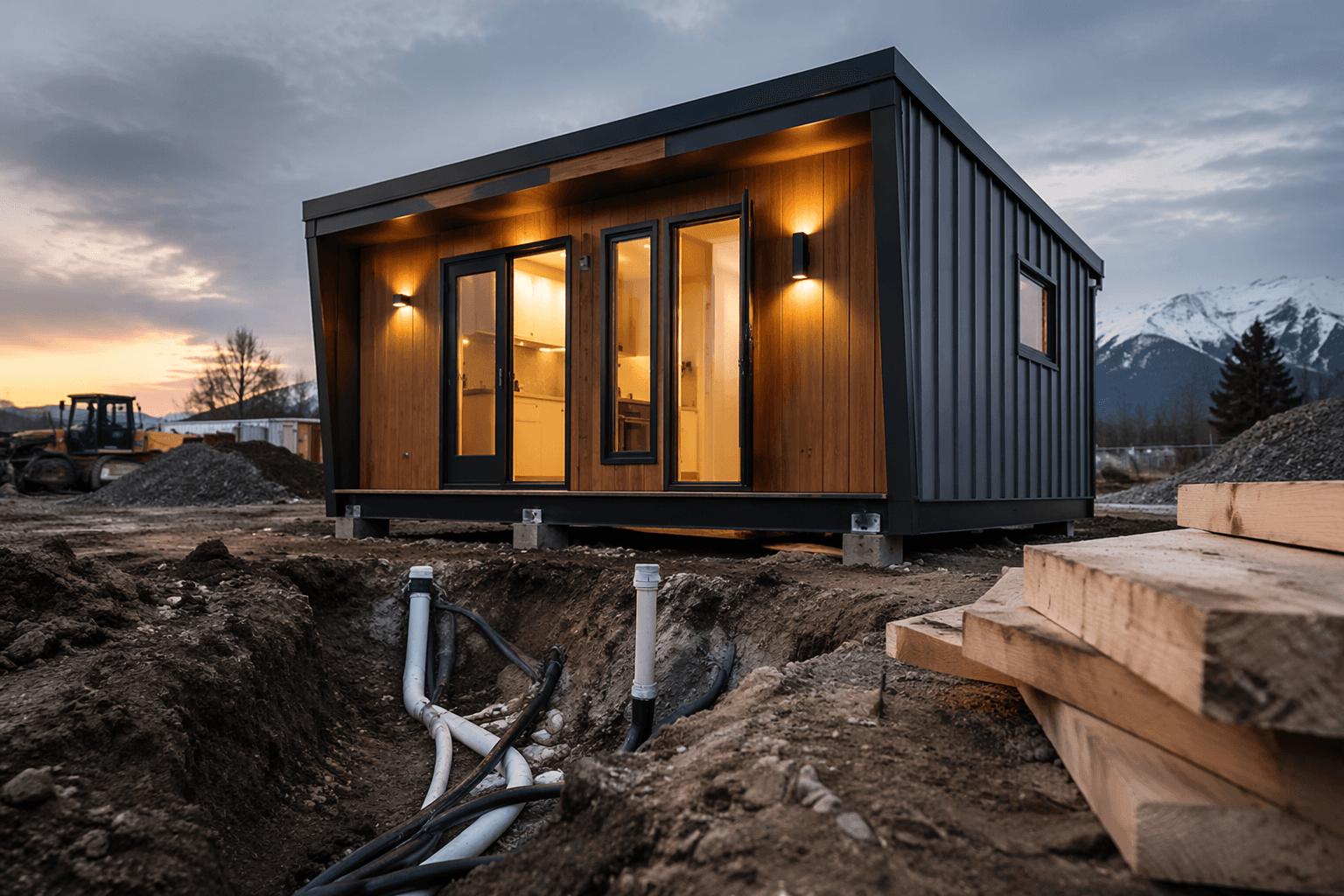
The complications emerge at the code level. Mississippi counties largely leave building enforcement to individual municipalities, so the rules governing a structure can shift dramatically across a single county line. Residents flagged zoning in certain townships, difficulty accessing utilities, and limited financing options as recurring friction points. The state also has relatively few certified tiny-home-friendly builders, and calling in specialized trades can mean waiting for contractors to travel significant distances.
The gallery highlighted a small but active cohort of Mississippi builders trying to expand the appeal of tiny living beyond single occupants. Several are experimenting with family-sized layouts that incorporate multiple sleeping zones, addressing a persistent cultural objection in a state where multi-generational households are common.
The practical lesson from the gallery was consistent: reach out to the local building department before purchasing land or drawing up plans. Permitting uncertainty is manageable if caught early; discovered mid-construction, it can force retrofits that erase the cost advantages that made tiny living attractive in the first place. In a state where land is cheap and the regulatory map is uneven, that early conversation with local officials may be the single most consequential step in the entire project.
This article was produced by Prism’s automated news system from verified source data, official records, and press releases, then run through automated quality and moderation checks before publishing. The system is built and supervised by the people who set the standards it runs under. Read our full AI policy.
Did this article answer your question?