Modular Furniture Transforms Tiny Home into Highly Adaptable Living Environment
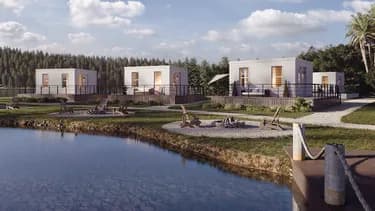
Ecobox Home 659 uses custom flat‑pack, transformable furniture to convert a single compact footprint into multiple living zones, spotlighted in autoevolution’s Feb. 15 coverage.
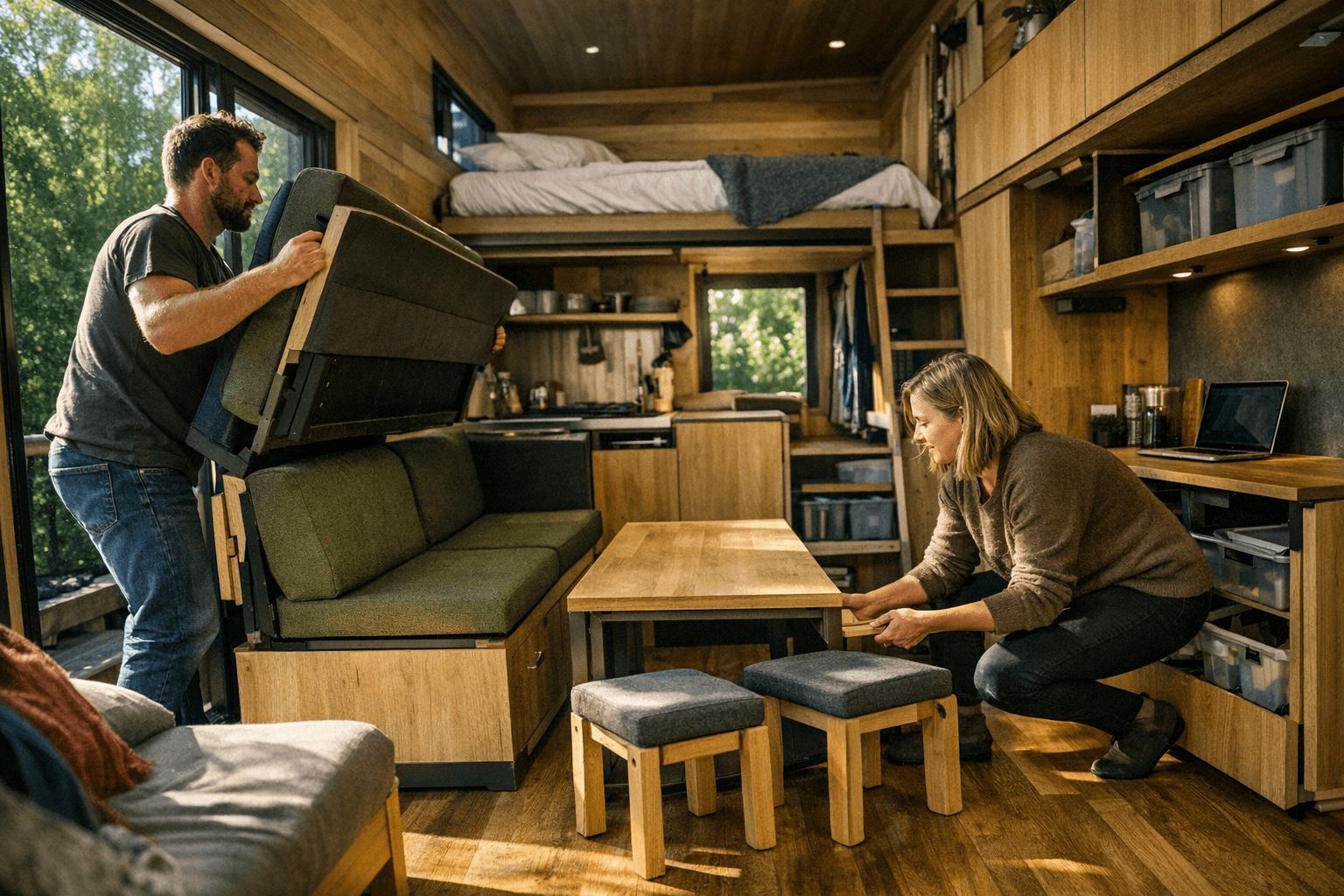
autoevolution’s Feb. 15 coverage spotlights the Ecobox Home 659 (and similar modular tiny-home systems) that use custom flat‑pack and transformable furniture to turn a single compact footprint into versatile living zones, marking a sharp turn toward interiors that do heavy lifting for tiny homeowners. The Ecobox example anchors a wider move in the market toward furniture that morphs to create sleeping, dining, working, and storage zones inside footprints that often measure well under conventional square footage.
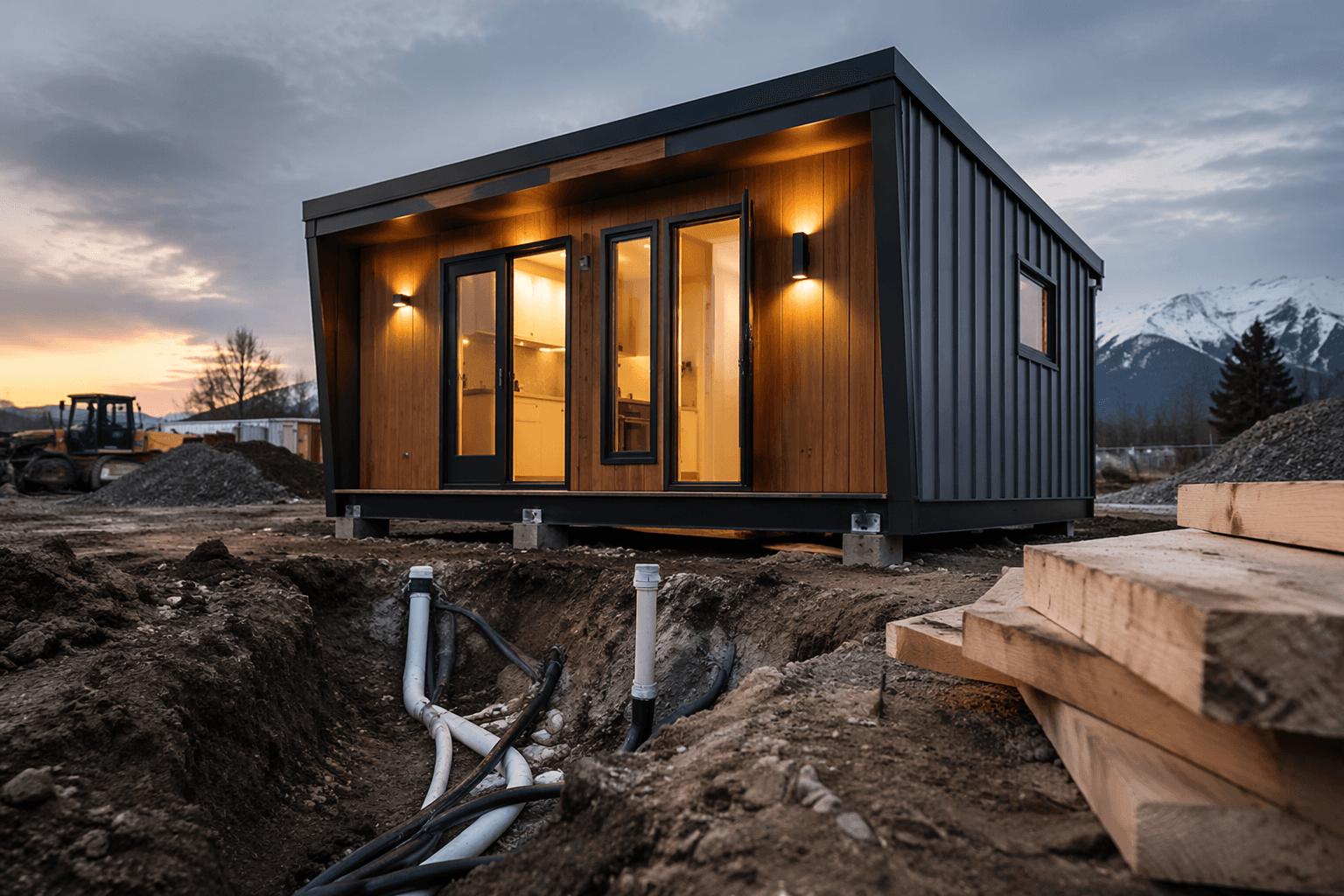
The autoevolution excerpt notes the furniture systems include sliding modu, the supplied text ends mid-word, leaving the exact mechanism unclear, but the broader claim of flat‑pack, transformable components aligns with common practice in the sector. Wolf Valley Homes complements that interior focus with construction choices: the company reports it designs pier-and-beam tiny homes to maximize livability and comfort while preserving efficiency, and markets lofted sleeping areas and built-in storage as alternatives to large floorplates.
Technical and environmental systems are coming into play alongside modular interiors. Atlantis-press states, "The integration of smart home systems allows tiny houses to achieve automated control, improve energy efficiency, and enhance the living experience for residents." The same source lists renewable wood, low-carbon concrete, and high-efficiency insulation materials and points to Table 5 as evidence that these materials "further enhance the environmental perfor-mance of tiny houses." Atlantis-press also invokes the Environmental Impact Index and Energy Efficiency Coefficient as evaluation metrics for ecological performance.
Sustainable claims carry important caveats. Noahcertified notes, "Many tiny homes are designed to function off-grid using renewable energy sources like solar power, further reducing their environmental impact," but adds, "It’s essential to note that the environmental benefits of tiny homes can vary depending on how they are designed, built, and operated." Thermory underscores timber’s role in lowering embodied carbon, writing, "The timber used in building tiny houses and tiny guest homes aids in reducing the amount of carbon dioxide in the environment. Unlike steel and concrete, which consume more resources to make."
Beyond technicalities, sources frame tiny houses as a social and economic response. Atlantis-press places tiny houses in the urban environment of China as a tool to offer "more living options for low - and middle-income groups" and to "promote community diversity and vitality," noting the housing form originated in Europe, the United States, and Japan. Tinyhomeslakenorman emphasizes mobility and flexibility, saying, "For those who value flexibility, tiny homes, especially mobile ones, offer unparalleled freedom," and highlights uses from primary residence to rental investment. Thermory and Wolf Valley amplify the financial and lifestyle payoffs: "This growing tiny house movement has sprung up because most of us now carry a heavy debt burden," and "Simplifying Life Without Sacrificing Comfort, The biggest misconception about tiny homes is that living small means giving things up."
Practical next steps for builders and owners: check the full autoevolution Feb. 15 piece for complete Ecobox Home 659 furniture details and confirm whether the model includes smart controls or off-grid systems; review Atlantis-press Table 5 and the Environmental Impact Index and Energy Efficiency Coefficient for material-performance data; and query Wolf Valley and Thermory for construction specs and lifecycle sourcing if you plan to replicate pier-and-beam assemblies or timber-first builds. These modular interiors paired with smart systems and low‑carbon materials are shaping tiny homes that adapt as quickly as the lives inside them.
This article was produced by Prism’s automated news system from verified source data, official records, and press releases, then run through automated quality and moderation checks before publishing. The system is built and supervised by the people who set the standards it runs under. Read our full AI policy.
Did this article answer your question?