New housing law could lower costs for tiny homes
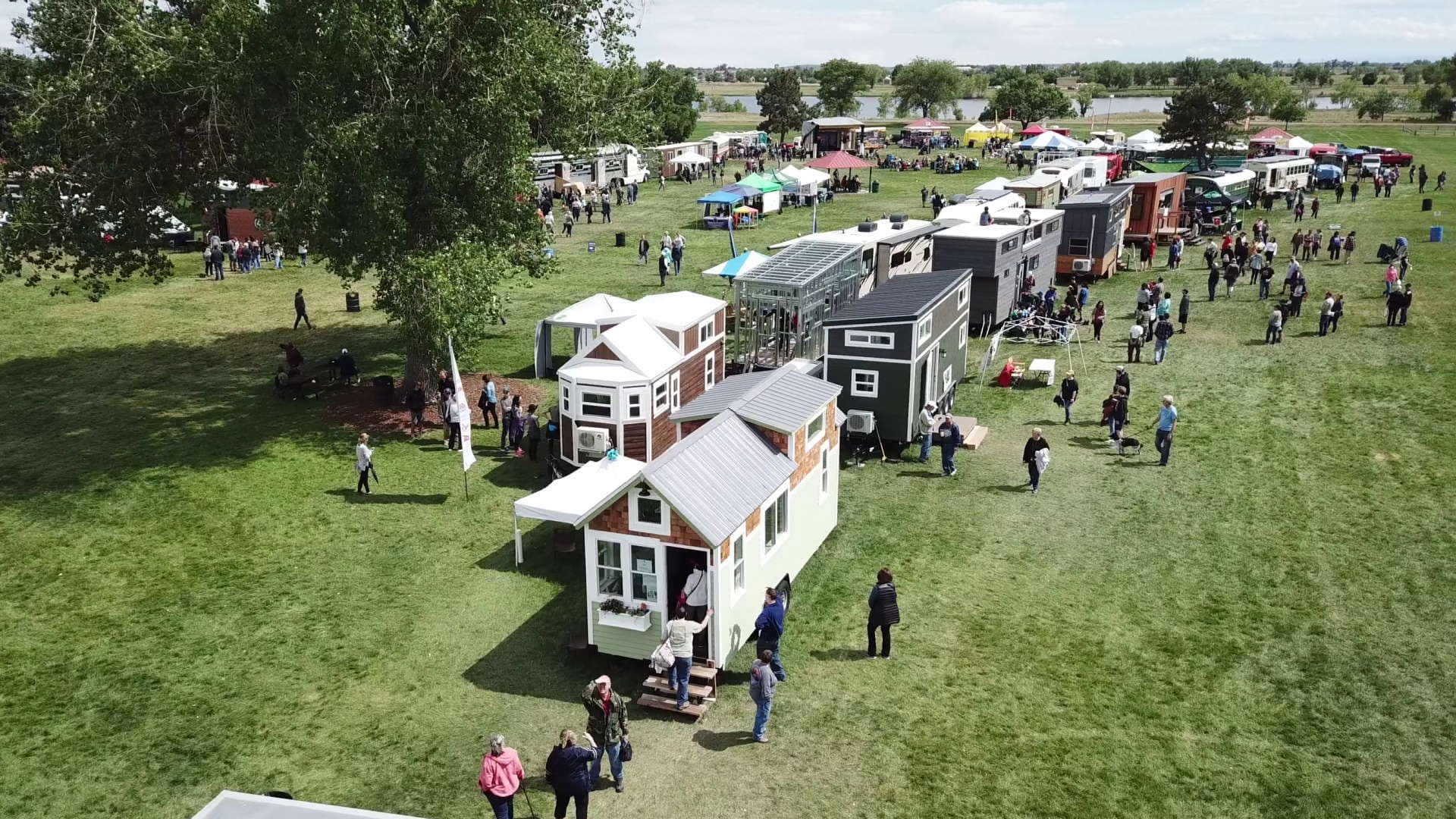
The new housing law drops the steel-chassis rule that has shaped manufactured homes since 1974, opening the door to cheaper, more flexible tiny-home builds.
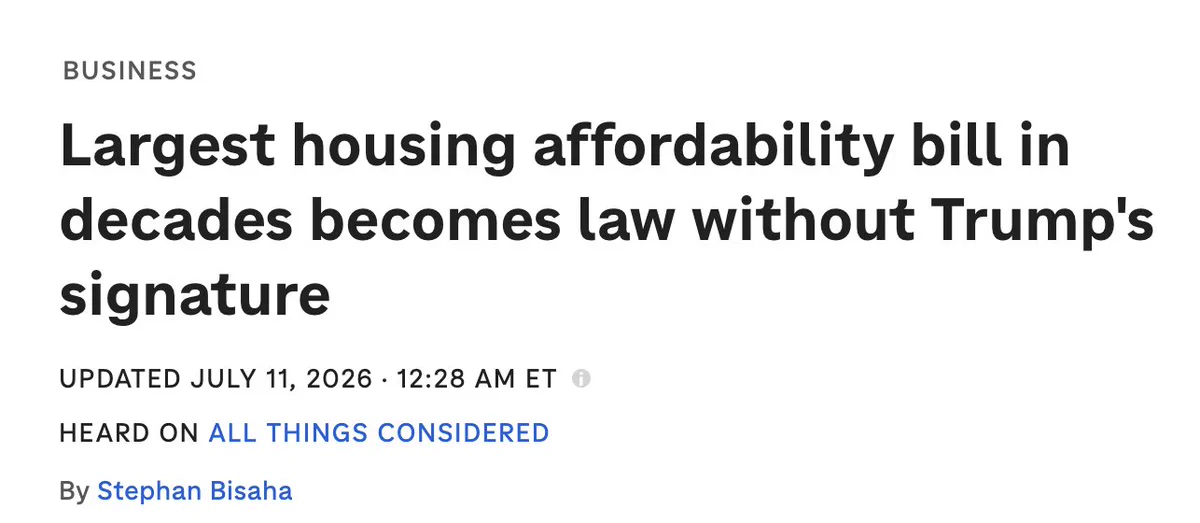
The 21st Century ROAD to Housing Act is now law, and tiny-home builders may feel the biggest change in the frame under the floor. The House Financial Services Committee called the bipartisan, bicameral package a landmark housing bill championed by Chairman French Hill of Arkansas’s 2nd District, and the president signed it on July 11, 2026.
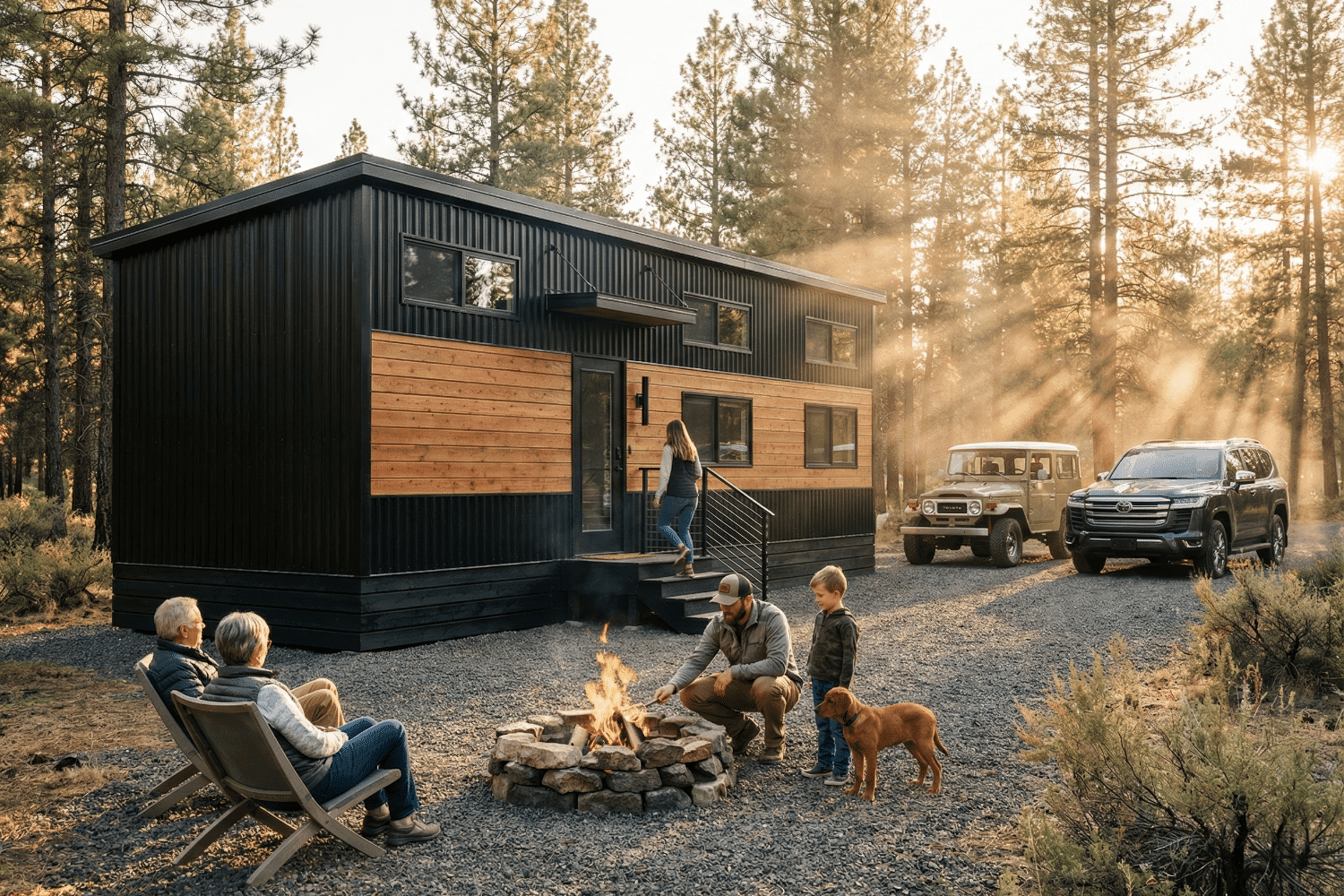
For anyone building small, the old rule was simple and limiting: since 1974, federal law required manufactured homes to be built on a permanently installed steel chassis. Advocates have long argued that the chassis adds cost and locks factory-built housing into a trailer-style format that leaves less room for foundation-based designs, which is exactly where many tiny-home buyers want to go. Removing that requirement should make it easier to rethink the floor plan, the undercarriage, and the way a home is sited on permanent foundations.

The law matters beyond the frame itself because it sits inside a wider push to loosen housing bottlenecks. An April 2026 explainer from the National Low Income Housing Coalition said the package included 43 provisions covering housing supply, financing, homelessness, veterans’ housing, and disaster recovery. The Senate passed the bill 89-10 on March 12, 2026, after lawmakers built in measures aimed at easing zoning and increasing the supply of modular and manufactured homes. Those changes are the kind that can help a tiny home move from an awkward gray area into a more financeable, permit-friendly category.
That shift could ripple through the market. Manufactured homes already provide 8.4 million affordable, unsubsidized homes in the United States, and about 100,000 more units enter the market each year. The chassis change grew out of bipartisan legislation introduced in July 2025 by Senators Ruben Gallego and Thom Tillis, part of a longer effort to address the national shortage of affordable, available homes. HUD has also proposed revising the definition of manufactured home to lower housing costs and boost supply, reinforcing the same direction.
Not everyone is cheering the same way. The National Association of Counties said the act broadens the federal definition of manufactured housing, while the Modular Home Builders Association has pushed back against eliminating the steel chassis requirement for certain HUD-code homes, including second-story designs, arguing some structural standards should remain. For builders trying to keep a tiny house affordable and legal, the practical change is still clear: the steel frame is no longer the only path forward, and that alone can reshape what gets built, financed, and placed.
This article was produced by Prism’s automated news system from verified source data, official records, and press releases, then run through automated quality and moderation checks before publishing. The system is built and supervised by the people who set the standards it runs under. Read our full AI policy.
Did this article answer your question?