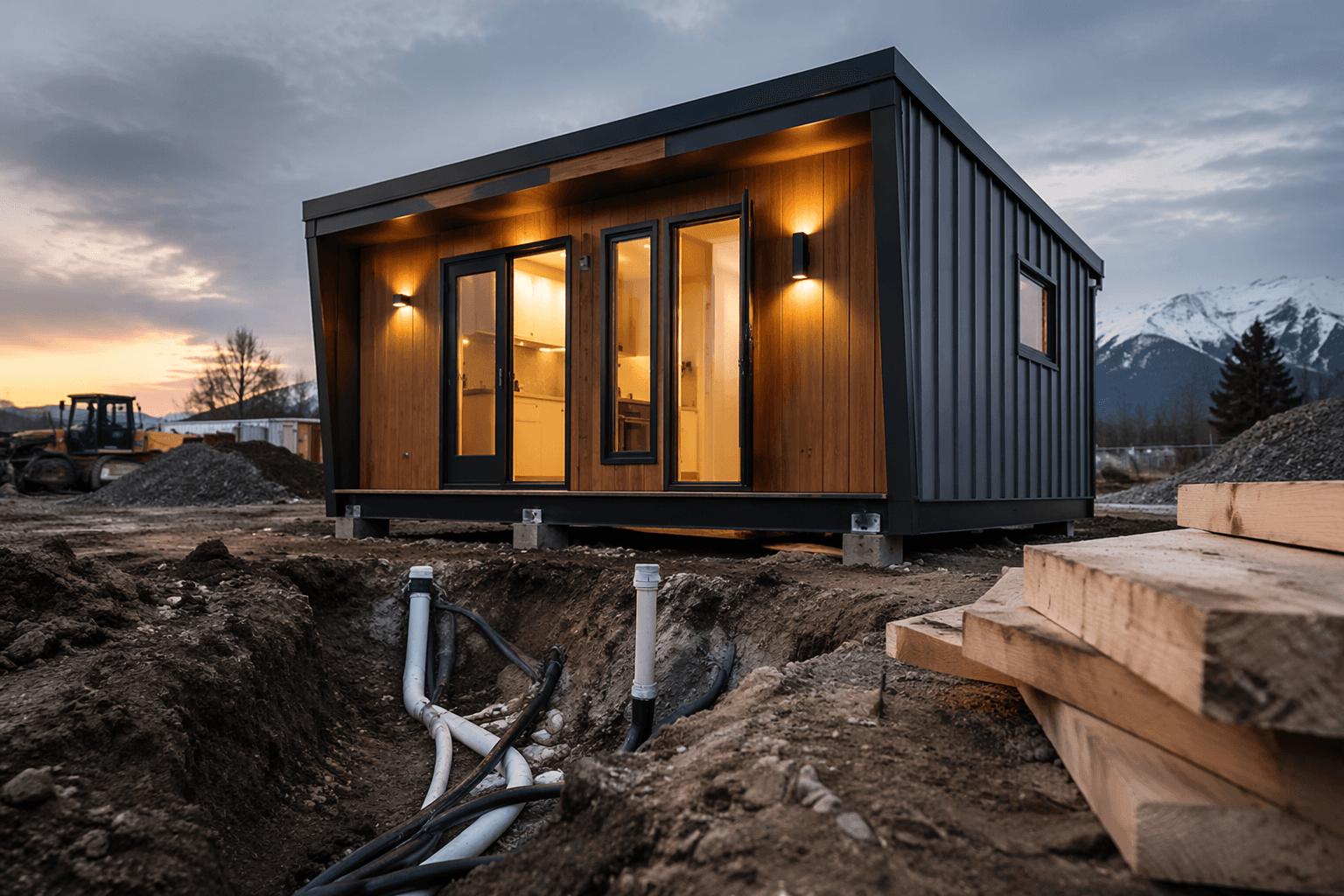
Pivot's tiny-home campus offers housing and life skills for former foster youth
Pivot's Oklahoma City tiny-home campus provides affordable units and life-skills support to formerly fostered young adults, helping them stabilize and move toward independent living.

Pivot, an Oklahoma City nonprofit, operates a tiny-home campus that pairs private housing with intensive life-skills programming to help young adults who were homeless or aged out of foster care transition to independence. The campus combines multiple tiny houses with shared services, counseling and case management so residents can focus on education and employment while living in stable, affordable units.
Residents pay a nominal fee as part of their arrangements; earlier reporting cited $100 per month as a typical contribution. That low housing cost removes an immediate barrier to stability while case managers work with each resident on practical goals such as budgeting, job applications, credentialing and accessing mental health services. One 20-year-old resident described how the combination of a private tiny house and wraparound supports helped her stabilize after leaving the foster system, allowing her to pursue schooling and steady work.
Pivot’s model uses tiny houses as transitional housing rather than permanent subsidized units. The campus layout pairs individual living spaces with centralized support infrastructure so staff can deliver counseling, life-skills workshops and connections to community resources without requiring residents to navigate multiple agencies. The program emphasizes measurable steps toward self-sufficiency, including securing employment, enrolling in vocational or academic programs, and developing independent-living skills such as cooking, cleaning and time management.
Tiny-home communities like Pivot’s have become a practical option for nonprofits seeking cost-effective shelter that preserves dignity and autonomy. Tiny houses lower per-unit construction and utility costs compared with traditional apartments, and the campus design allows organizations to concentrate support services in one location. For former foster youth, who often lack family safety nets and face higher risks of homelessness, pairing housing with targeted case management addresses both immediate need and the systemic gaps that leave young adults vulnerable.
For local tiny-house builders, community organizers and policymakers, Pivot’s work offers several takeaways. Prioritize private, lockable units for residents coming from unstable situations. Budget for on-site staff who provide counseling and case management as core line items rather than add-ons. Structure resident agreements around attainable milestones and keep monthly contributions affordable to reduce eviction risk while maintaining resident accountability.
Pivot’s campus shows how small footprints can deliver big outcomes: private space to regroup, shared services to rebuild skills, and a clear path toward long-term stability. As communities explore tiny-home solutions, programs that pair housing with wraparound services provide a replicable route to support young adults leaving foster care.
This article was produced by Prism’s automated news system from verified source data, official records, and press releases, then run through automated quality and moderation checks before publishing. The system is built and supervised by the people who set the standards it runs under. Read our full AI policy.
Did this article answer your question?