Retiree's $25,000 Hobbit tiny home joins 170-person community
A retiree bought a Hobbit-style tiny house for about $25,000, moved into a private community near Knoxville, and is living with modest lot rent and strong social ties.
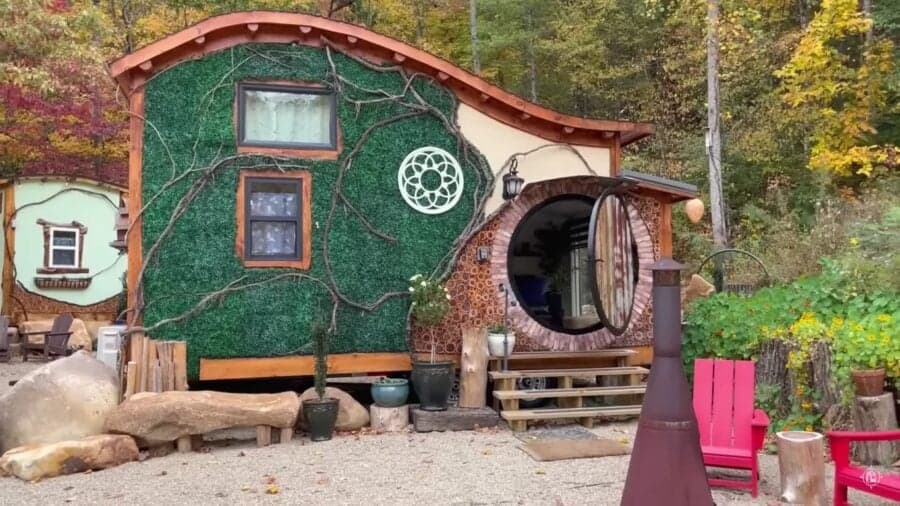
A retiree in January moved into a custom Hobbit-style tiny house on the edge of Knoxville, Tennessee, illustrating how tiny-home communities can cut housing costs and build social life. The owner paid roughly $25,000 for the bespoke unit and about $10,000 more for finishing work and initial site fees. Residents in the private community pay modest lot ground rent, reported around $200 per month, making monthly housing far lower than typical mortgage and rental bills.
The neighborhood grew up around units by Incredible Tiny Homes and now houses roughly 170 people. Its demographic mix skews toward single women over 45, and the community has developed shared rhythms: group meals, organized activities, and everyday neighborly support that residents say fills both social and practical needs. For many, the low purchase price or near-ownership model eliminated mortgage debt and reduced ongoing housing costs without surrendering the benefits of community living.
Economics drive much of the appeal. A $25,000 base price plus finishing and site fees kept initial outlay under $35,000 for this home, with ongoing lot rent under $250 a month. That combination can free up retirement income, let people avoid long-term loans, and open ownership options for those priced out of conventional homes. The development’s use cases span a range: some units serve as emergency or transitional housing in broader tiny-home efforts, while others function as affordable, community-oriented ownership for retirees and downsizers.
There are practical tradeoffs. Tiny footprints mean tight storage, increased need for multipurpose furniture and smart layout decisions, and dependence on community infrastructure for utilities and shared services. Prospective movers need to factor finishing costs and site preparation into their budgets, clarify what ground rent covers, and understand community rules about pets, guests, and maintenance. The presence of a strong social culture can be a boon for people seeking company, but it also requires compatibility with communal norms.
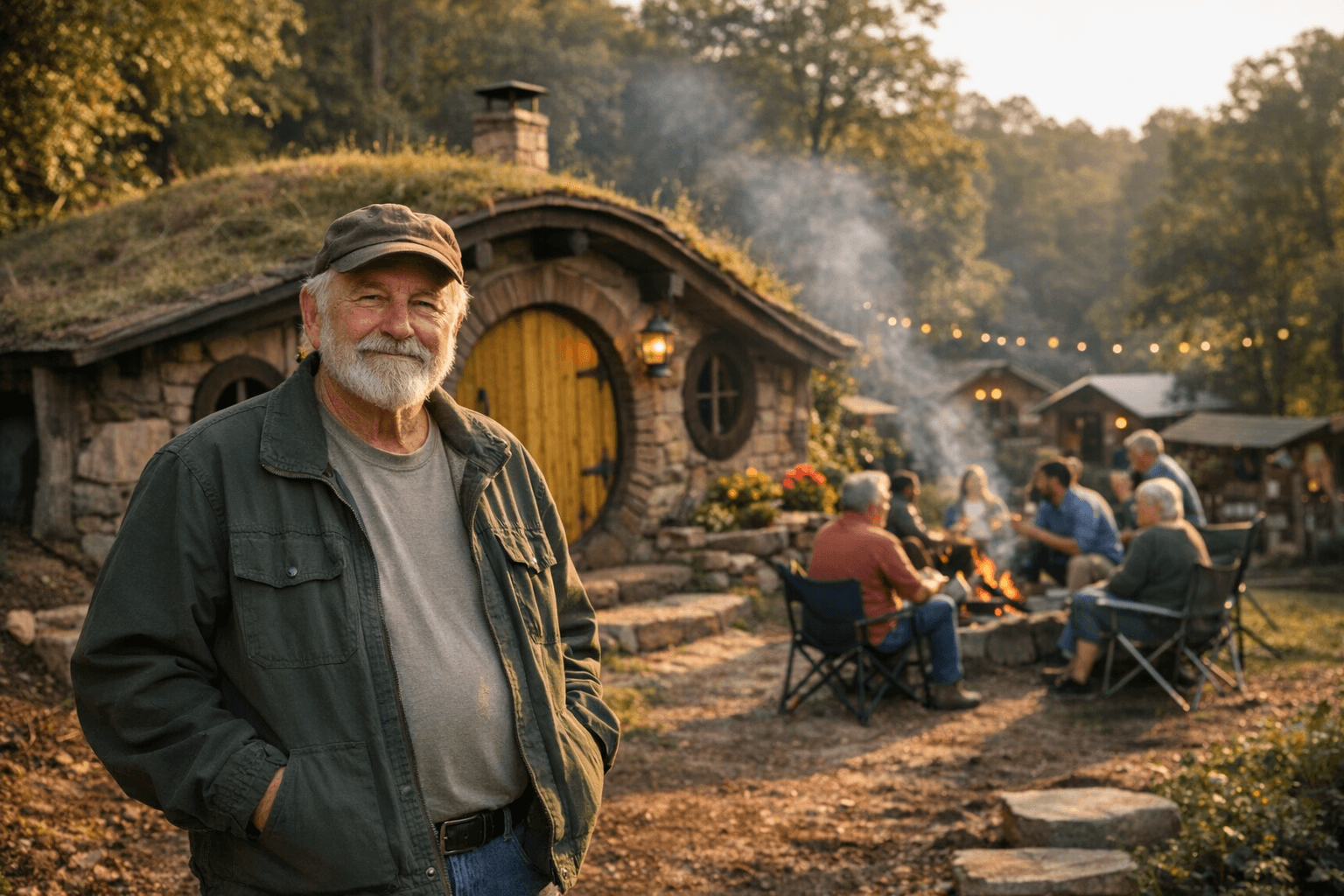
For local organizers and tiny-house shoppers, the Knoxville community is a working example of scale: roughly 170 residents, manufacturer-built units, low monthly ground rent, and an older, predominantly female population creating a particular social dynamic. That profile highlights how tiny-house living can be flexible enough to address homelessness, create retirement options, and offer a lower-cost lifestyle without isolating residents.
Our two cents? Visit the site, tally finishing and hookup costs, and ask about what lot rent actually covers before you buy. Tiny homes shrink square footage but can expand community if you pick a neighborhood that fits your lifestyle.
Know something we missed? Have a correction or additional information?
Submit a Tip
