River Falls students build tiny home for housing insecurity effort
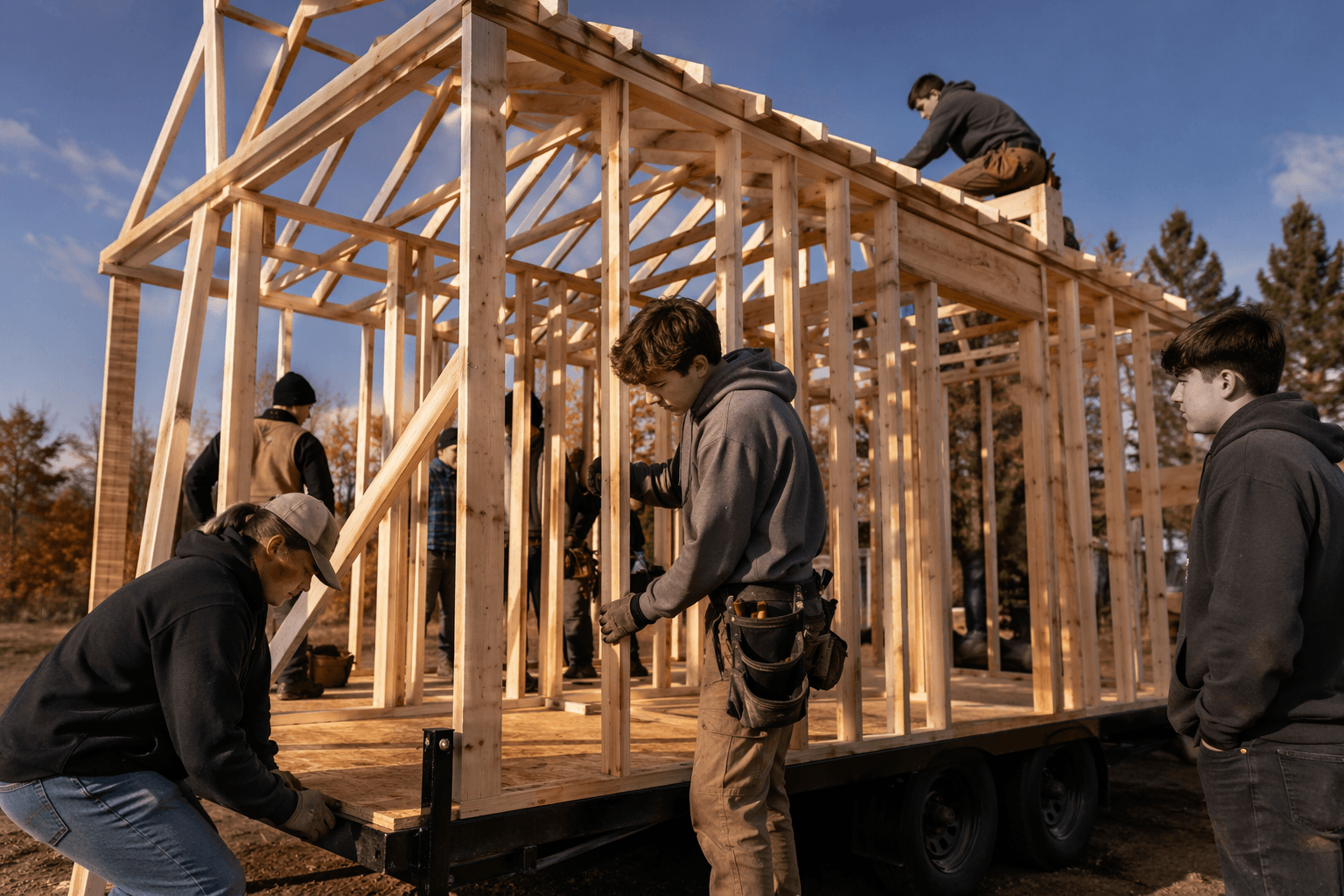
River Falls High School students built the framework for a tiny home that will support the River Falls Ministerium’s housing insecurity effort.
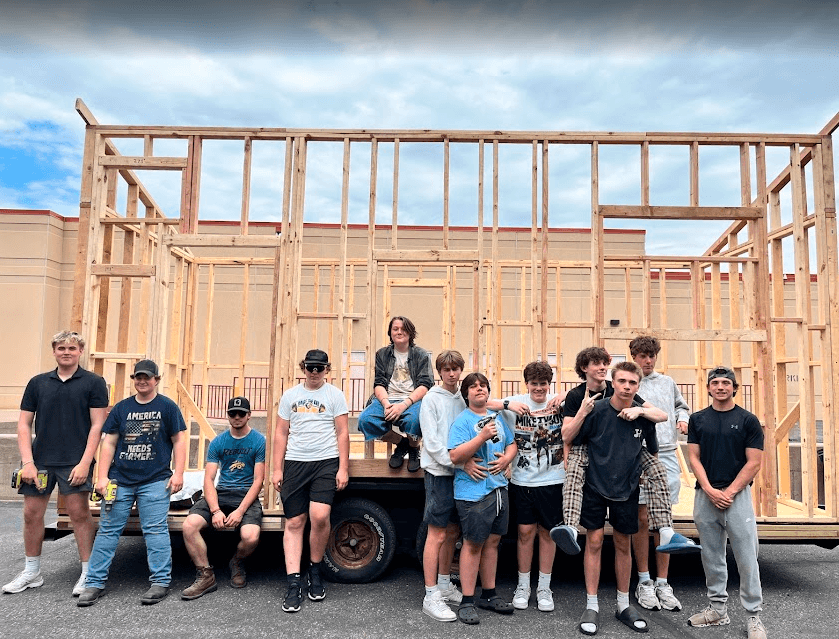
River Falls High School students turned a home and auto class project into a tiny home framework with a real job to do: support the River Falls Ministerium’s effort to reduce housing insecurity in the city. The build gave Matthew Kapitz’s students a chance to frame, design and work as a crew, while also producing a structure meant for community use instead of a shop-floor exercise.
The project sat inside a wider coalition that already had the pieces in place. The River Falls Ministerium includes Ezekiel Lutheran Church, First Congregational Church, HOPE Lutheran Church, Luther Memorial Church, Spirit of Grace and the Unitarian Universalist Society, and the churches partnered with Our Neighbors’ Place on the tiny-home effort. That mix matters because the tiny home is not standing alone as a one-off donation; it is part of a housing network that links school labor, church support and a nonprofit with experience serving people in crisis.
That network was already visible before the classroom build. A public Tiny Home Summit was held Jan. 29 at Luther Memorial Church, where the six River Falls churches and Our Neighbors’ Place invited the community to learn about plans for tiny homes intended to lessen homelessness. The summit put a name and a public face on a project that was still taking shape, and it gave the build a civic pathway long before students started cutting lumber.
Our Neighbors’ Place has served Pierce and St. Croix counties since 2009 and describes its work as wraparound housing support for individuals and families facing instability. Its transitional housing program serves families experiencing homelessness as they work toward long-term housing stability, with stays of up to 24 months. The organization also operates its Helping Hands Fund, which helps River Falls and Ellsworth residents cover urgent costs such as vital records, gas cards and work clothing when those expenses stand in the way of housing or job stability.
The group’s 2024 annual report adds another concrete piece to the model: it says Our Neighbors’ Place owns a four-unit building in River Falls for families experiencing homelessness, and residents contribute 30% of their income toward rent. That makes the student-built tiny home part of a larger housing strategy already rooted in the city, not an isolated construction project.

For tiny-house builders watching what communities can actually replicate, River Falls offers a clear template. A classroom supplied the labor and training, churches supplied the coalition, and Our Neighbors’ Place supplied the housing experience and support structure. The result is a tiny home framework built for a purpose larger than the footprint itself.
This article was produced by Prism’s automated news system from verified source data, official records, and press releases, then run through automated quality and moderation checks before publishing. The system is built and supervised by the people who set the standards it runs under. Read our full AI policy.
Know something we missed? Have a correction or additional information?
Submit a Tip