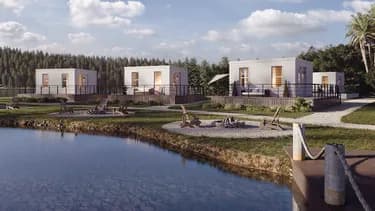
Seattle moves ahead on 90-unit South Park Tiny House Village expansion
Seattle leased South Park land for a 90-unit tiny-house village, with LIHI set to open the Glassyard site by summer 2026 for 92 households.
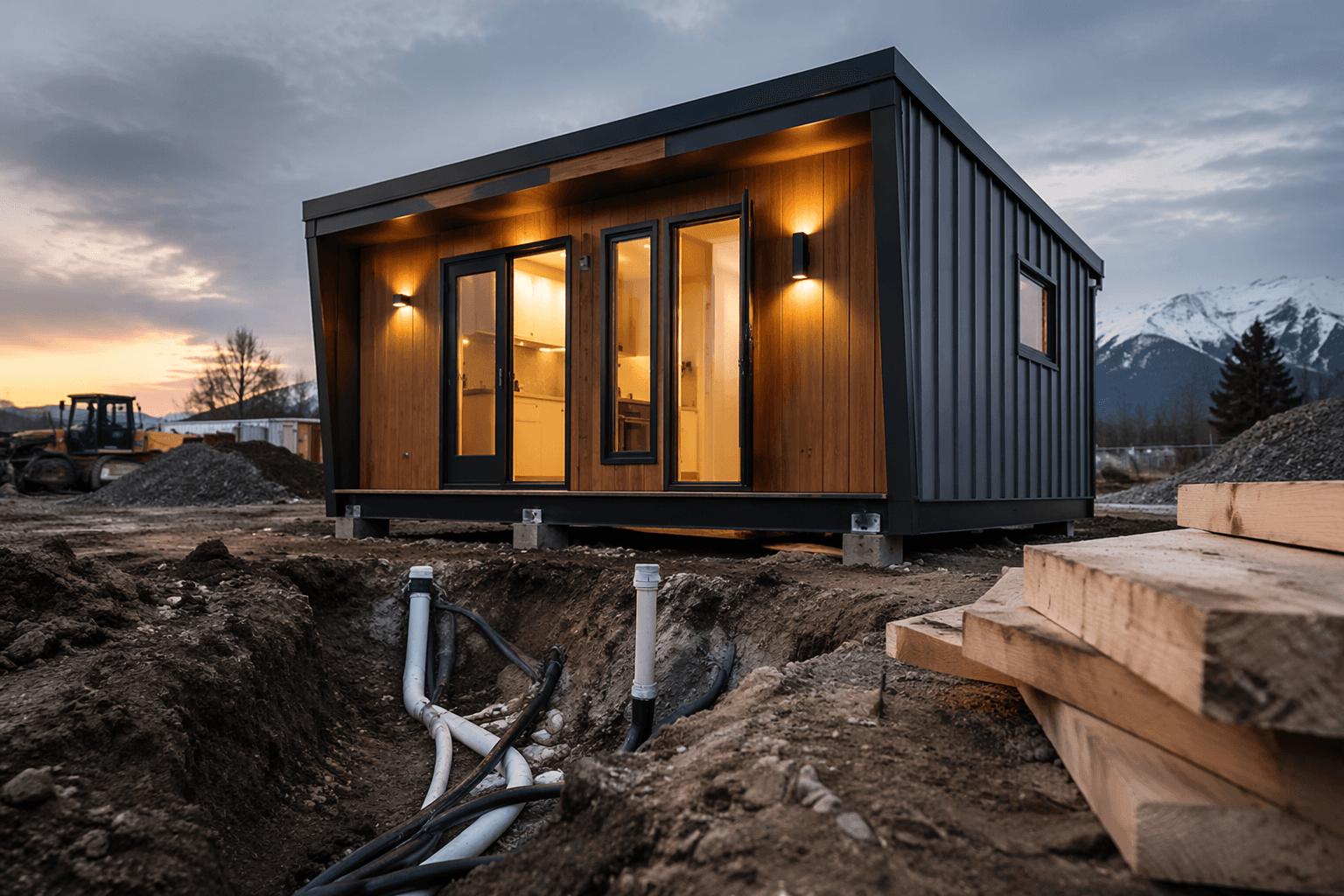
Seattle moved ahead on one of its biggest tiny-house expansions yet in South Park, locking in a lease for a site that will become a 90-unit Tiny House Village with wraparound services. The move is more than another shelter update. It puts a large, vehicle-focused interim housing project on the ground, with the Low Income Housing Institute already awarded a $3.3 million contract to open the Glassyard site by summer 2026.
The full setup is built for 92 households, not just a symbolic handful of beds. King County Regional Homelessness Authority said the project will include 72 parking spaces for vehicle residents and 20 tiny homes. That mix matters in Seattle, where KCRHA estimates nearly half of King County’s unhoused residents are living in vehicles. For people in cars, RVs, or other unstable situations, the South Park village is being designed as temporary but stable shelter, with support services attached rather than added later.
LIHI first described Glassyard Commons in February 2026 as an RV safe lot and tiny-house village at 7200 2nd Ave. SW near West Marginal Way SW. The site sits on about 3.9 acres of Washington State Department of Transportation land, which gives the city enough room to build something larger than the cramped shelter model Seattle has used in the past. It also makes the South Park project one of the city’s largest combined RV safe-lot and tiny-house efforts so far.
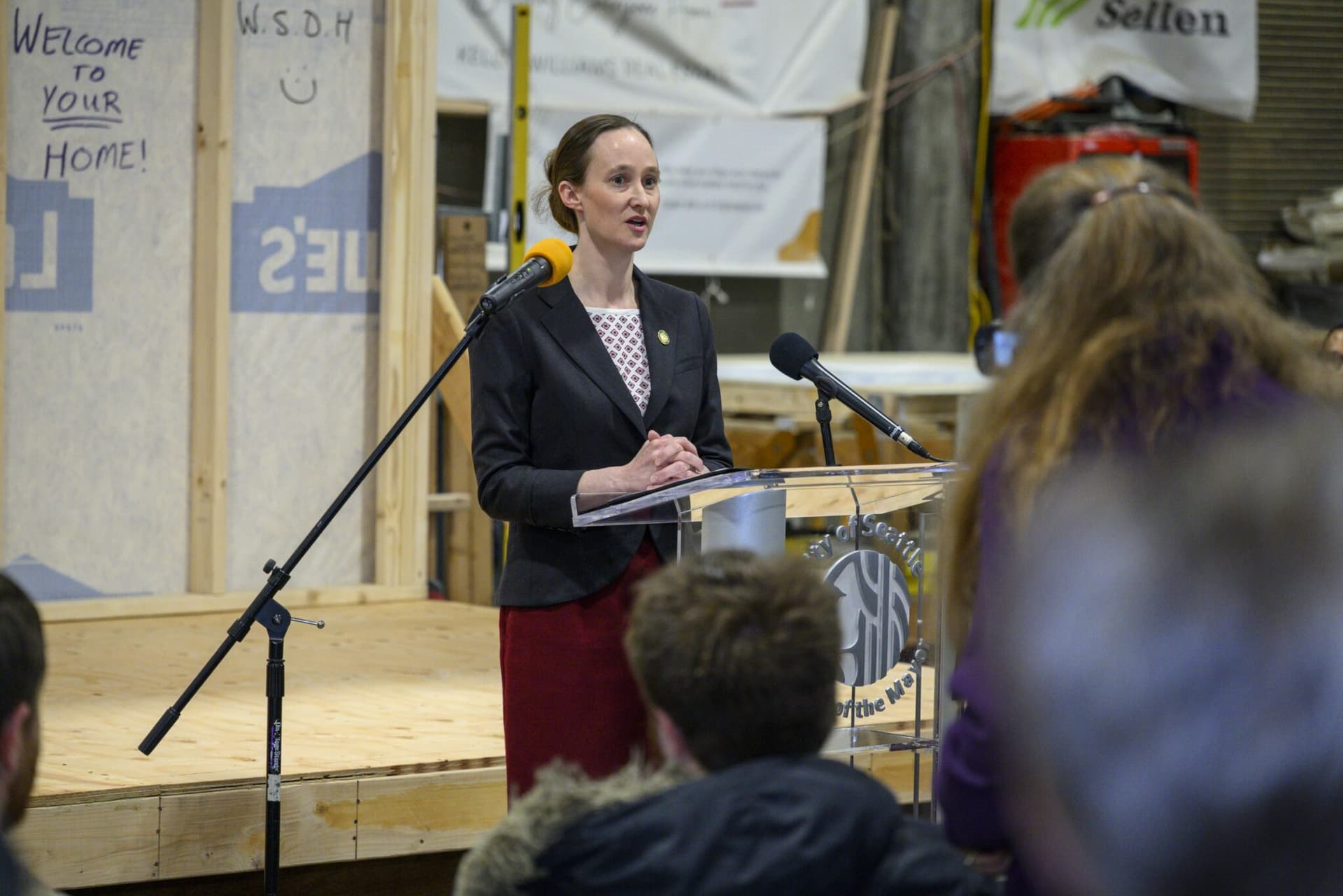
The lease fits neatly into Mayor Katie B. Wilson’s broader push to accelerate shelter and affordable housing. Her Executive Order 2026-02, issued in January 2026, told city departments to speed up shelter and housing expansion and identify public land that could be used for new sites. A city presentation on April 1 said Seattle’s goal is 1,000 new units of shelter and emergency housing in 2026, while current land-use code limits transitional encampments to 100 people per site. That same presentation argued for larger transitional sites and said one site per council district could serve up to 250 people.
South Park has already drawn a sharp neighborhood reaction. More than 100 neighbors reportedly attended early March community meetings, where residents and business owners raised concerns about crime, spillover encampments, fires, and drug use around the site. Councilmember Rob Saka responded by proposing amendments that would require a public safety and neighborhood mitigation plan before new shelters open, along with a proposal to reserve one-third of newly created shelter units for people experiencing homelessness in the neighborhood where a shelter is located.
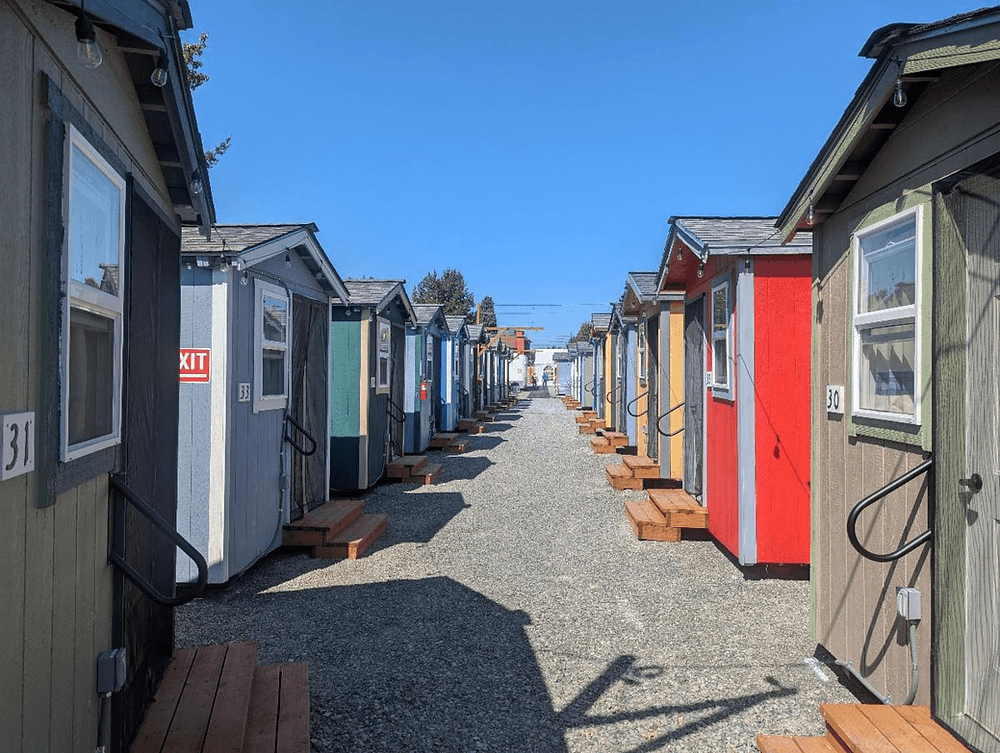
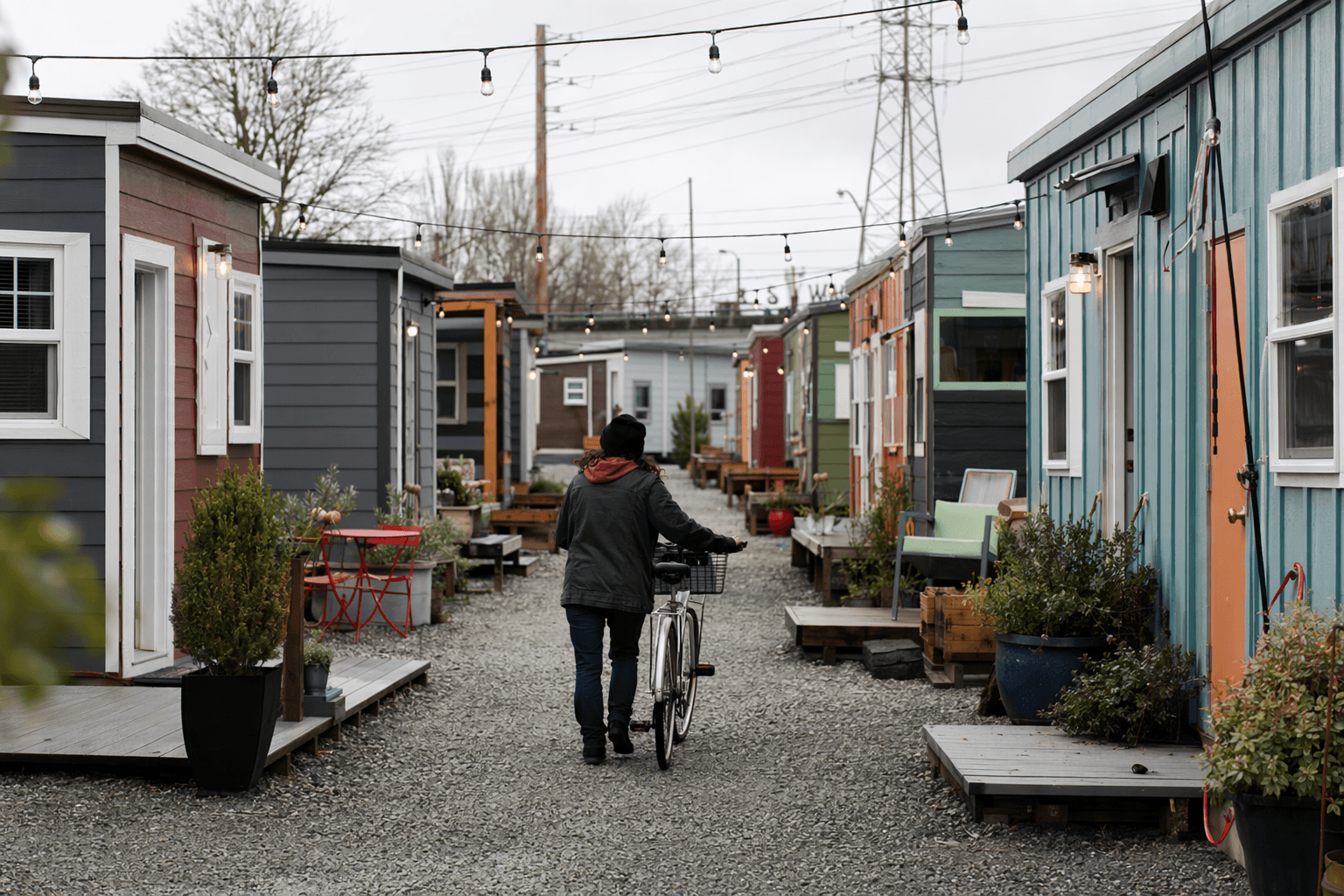
Seattle’s 2025 allocation of $5.9 million for two new tiny-house villages with LIHI showed this was already becoming part of the city’s shelter playbook. Those earlier villages were slated to include case management, hygiene, laundry, kitchens, 24/7 staffing, fenced perimeters, and community advisory committees. South Park pushes that model farther, turning tiny-house villages from an emergency fix into a larger, citywide shelter strategy.
This article was produced by Prism’s automated news system from verified source data, official records, and press releases, then run through automated quality and moderation checks before publishing. The system is built and supervised by the people who set the standards it runs under. Read our full AI policy.
Did this article answer your question?