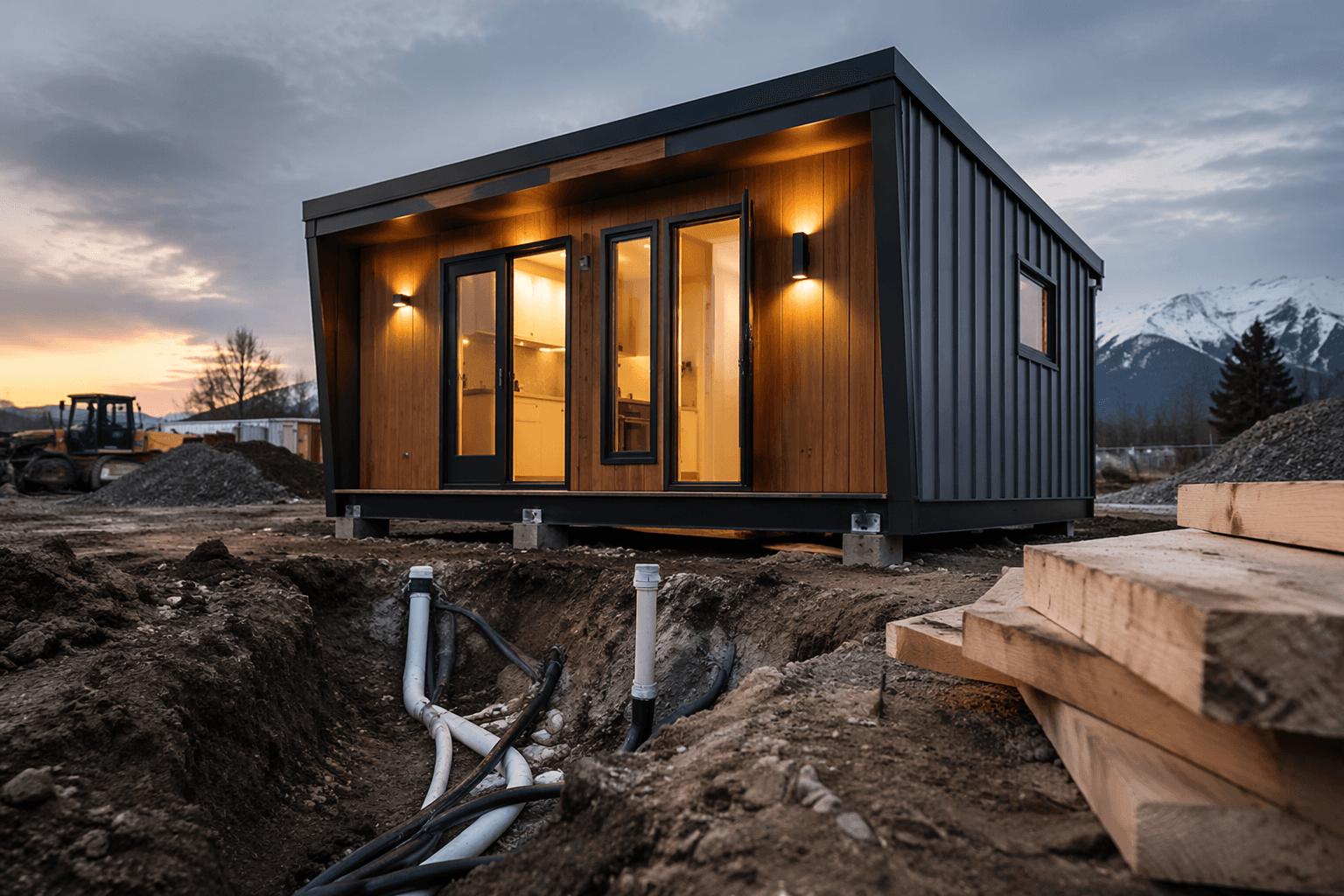
Step-by-Step Tiny House Guide: THOW or Foundation, Budgeting, Permits
Learn how to pick THOW or foundation, build a realistic budget with contingencies, and navigate permits, plans, utilities, and construction steps for a tiny-house project.

Tiny houses are a big mix of lifestyle choice and technical checklist, pick your build type first, then let budget and permitting steer design and timeline. The steps below walk you through decisions that shape costs, compliance, and community acceptance.
1. Decide THOW (towable) vs foundation build
Choosing a towable tiny house (THOW) or a foundation-built tiny house is the single decision that changes permitting, design constraints, financing, and site options. THOWs are built on trailers and skirt many foundation codes but must meet vehicle and towing limits (weight, axle rules, and road-legal dimensions), while foundation homes behave like small conventional houses and usually require full building permits and utility hookups. Think about mobility: if you want to relocate frequently or avoid long-term land permits, THOW is attractive; if you prefer more interior height, permanent utilities, and resale parity with traditional housing, go foundation. Early clarity here saves design rework, prevents permit headaches, and helps community groups and neighbors understand your plans from day one.
2. Set a realistic budget and include contingency
Budgeting early prevents scope creep and keeps the build community-friendly (you’ll know when to buy local materials or hire help). Typical ranges vary: DIY THOW builds can be far lower than contractor-built foundation tiny homes, but major cost drivers are trailer quality, insulation, windows, appliances, and systems (water, septic/ejector, electric). Allocate funds explicitly for appliances, systems, and site work: hookup fees, septic/sewer, and electrical service can surprise first-timers. Build a contingency of 10–20% to cover material price swings, permit delays, and trades overtime, this is a standard recommendation and the difference between finishing on schedule or being stuck in a half-done shell.
3. Secure plans and blueprints before breaking ground
Detailed blueprints are essential once you choose THOW vs foundation because they inform permits, structural calculations, and systems integration. Commission or buy plans that show framing, insulation specs, electrical and plumbing riser diagrams, and roof/loft loads (important for lofted beds and egress windows). Good plans speed inspections and make bids from contractors or subcontractors apples-to-apples; they also reduce material waste and measurement errors during build. For THOWs, ensure trailer engineering and weight distribution are included; for foundation homes, foundation and footing drawings are critical.
4. Navigate permits, zoning, and early municipal conversations
Check zoning and building codes early, this is the community step that will either greenlight your design or force costly revisions. Rules vary: some zones treat THOWs as RVs and restrict long-term occupancy, while others allow accessory dwelling units (ADUs) on a property if they meet setbacks and utility rules. Contact the local building department before plan finalization to learn required permit types, special inspections, and whether septic or sewer connections require separate approvals. Early municipal engagement avoids late-stage redesigns and helps you anticipate inspection schedules, utility hookup costs, and any neighborhood association covenants.
5. Choose utilities: grid-tied, off-grid, and system options
Utility choices affect cost, lifestyle, and community resource use, decide early so systems integrate with your plans and permits. For electricity consider mini-splits for efficient heating/cooling, solar arrays for partial or full off-grid power, and generator backups where allowed. For sanitation choose between septic, sewer hookups, or composting toilets: composting reduces site work and septic load but may have local approval hurdles. Water plans range from well hookups to municipal service or rainwater capture with filtration, factor in local water availability and code requirements. Each choice affects inspections, energy independence, and neighborhood expectations about waste and water management.
6. Construction-stage priorities: framing, insulation, and systems integration
Once plans and permits are set, sequence construction to lock in the thermal envelope and systems before finishes. Framing must account for trailer integration on THOWs, lateral bracing for transport, and proper loft load paths for sleeping areas. Insulation choices (spray foam vs rigid vs batt) affect thermal performance and interior wall thickness, key when square footage is precious. Rough-in electrical and plumbing should be completed and inspected before drywall or paneling; coordinate with pros for code-compliant runs, venting, and service entry. Finishing choices (flooring, cabinetry) can be phased to match budget and reduce waste.
7. Identify trades and when to hire pros for code compliance
DIY saves money but electrical and plumbing usually require licensed professionals to pull permits and pass inspections, the community values safety and code adherence. Hire licensed electricians for service panels, meter installations, and complex circuits; use licensed plumbers for pressurized systems, sewer/septic connections, and gas work. Structural or trailer-engineering tasks that affect safety and roadworthiness should also be handled by qualified pros. When you subcontract, get multiple bids, ask for references from local tiny-house projects, and confirm insurance and warranty terms.
- Confirm build type and site zoning
- Secure detailed blueprints and structural specs
- Budget with a 10–20% contingency
- Line up trades for electrical/plumbing inspections
- Plan utilities and finalize permits before major purchases
8. Practical community tips, checklists, and finishing moves
Think neighborhood fit and long-term maintenance as part of your build plan, good neighbors and clear communication reduce permit disputes and zoning pushback. Use local suppliers where possible for quicker lead times and community goodwill. Keep a simple checklist:
These small steps keep the build efficient, lower conflict, and help your tiny house join the block gracefully.
Closing wisdom: Start with the big frame, THOW or foundation, and let budgeting and permitting shape the rest; clear plans, a realistic contingency, and timely municipal outreach turn tiny-house dreams into community-friendly realities you can live in and be proud of.
This article was produced by Prism’s automated news system from verified source data, official records, and press releases, then run through automated quality and moderation checks before publishing. The system is built and supervised by the people who set the standards it runs under. Read our full AI policy.
Did this article answer your question?