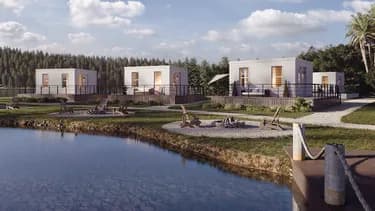
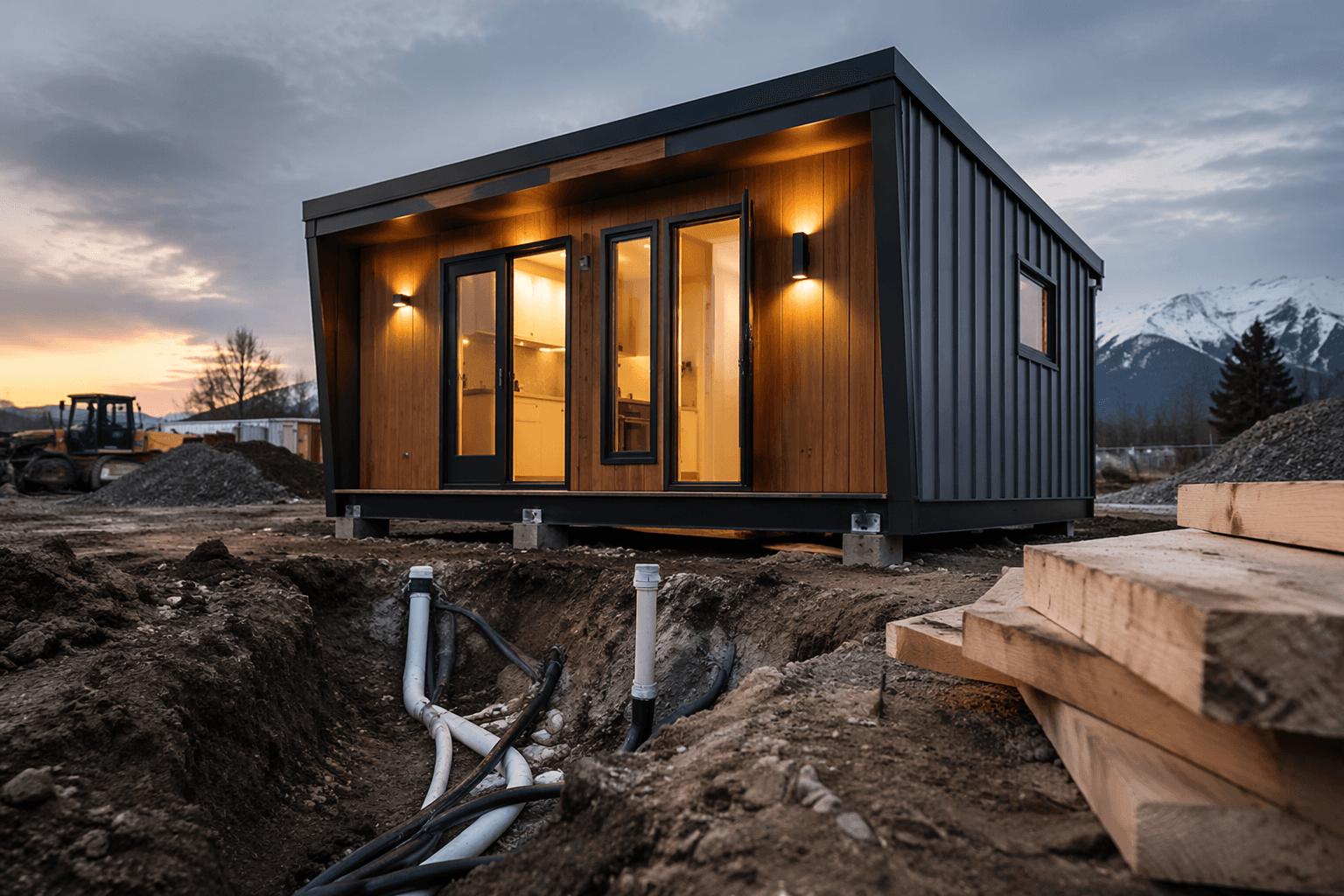
Tasmania Politicians Push to Legalize Tiny Homes, Solving Acute Housing Crisis
Ready-built tiny homes are sitting in Tasmanian storage units because the law treats them as caravans — and a cross-government coalition wants that changed now.
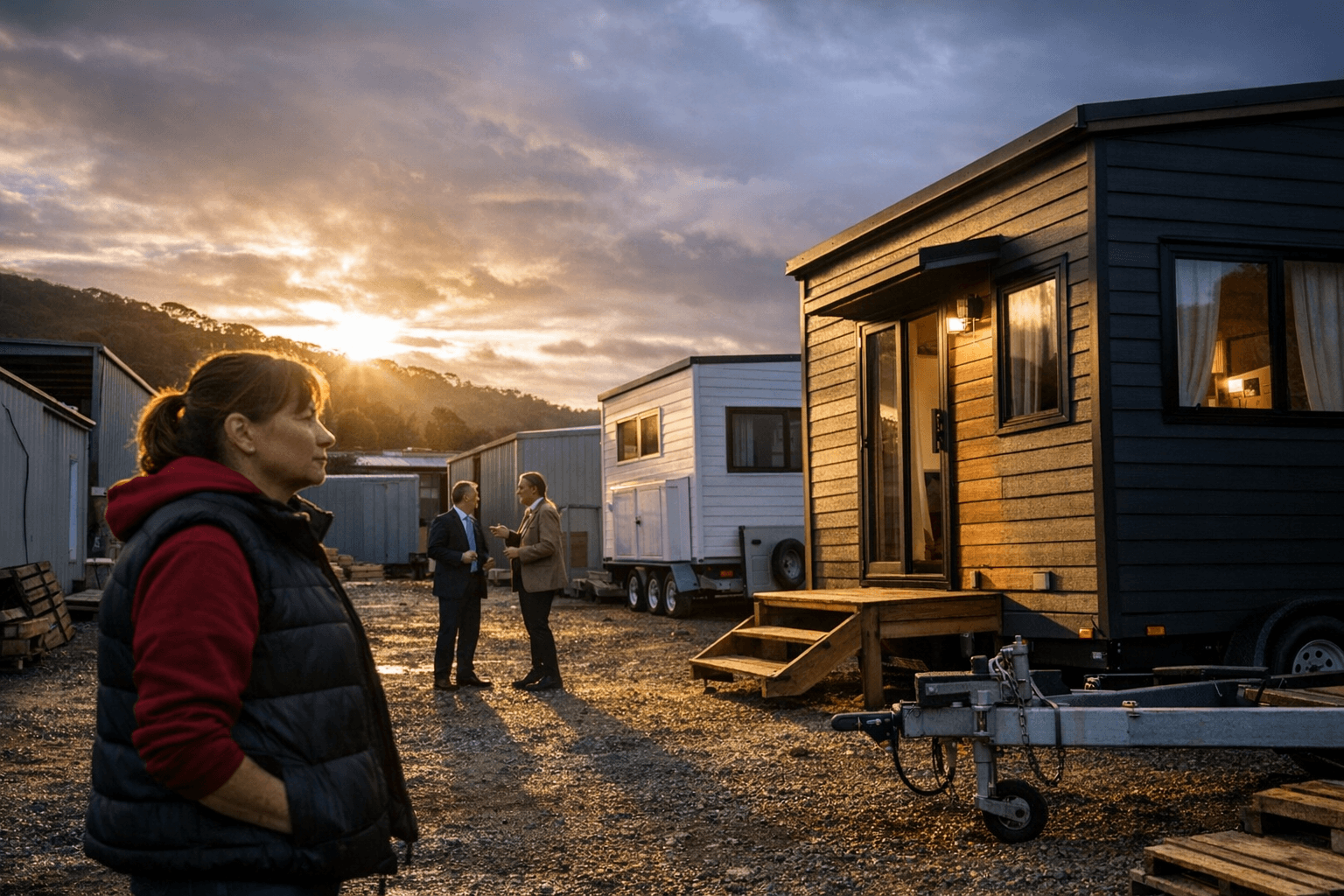
Tiny homes that Tasmanians have already built and paid for are sitting locked in storage. Not because of construction delays or supply chain problems, but because the law has no category for them. Across Tasmania, portable tiny homes on wheels are classified as caravans, which means they fail to meet house building standards the moment someone tries to park one and live in it permanently. There is no approval pathway. There is no workaround. There is just red tape.
That bureaucratic wall is what drove a cross-level coalition of independent politicians to call for urgent reform. Deputy mayor and tiny home advocate Clare Glade-Wright of Kingborough, the municipality stretching across Hobart's south, joined independent state MP Peter George and independent Tasmanian Senator Tammy Tyrrell in demanding that tiny homes on wheels be recognized as their own distinct housing type, separate from the caravan classification that currently blocks them.
"I'm committed to bringing together all levels of government to drive these reforms," Glade-Wright said. "With the right policy settings, tiny homes could become an excellent and affordable housing option for many Tasmanians while easing pressure in the broader housing market."
George was equally direct about the stakes. "Federal and state governments should be working together urgently on a suite of measures that will unlock solutions to our housing crisis," he said. "Tiny home living suits a growing number of people for a whole range of reasons and making that an easier choice simply makes good sense."
Senator Tyrrell framed the problem from the demand side: the housing crisis has worsened precisely because of the expense and complications involved in putting a roof over someone's head. Tiny homes, costing typically between $50,000 and $200,000 to build, represent a fraction of the price of conventional housing. Tasmania also carries no stamp duty charge on them, according to advocates, removing one financial barrier that would otherwise blunt their affordability advantage. Luxury portable builds can push past $200,000, but the entry-level price point is what makes the category compelling for a state in the grip of a genuine housing shortage.
The coalition's core demand is straightforward: solidify tiny homes on wheels as a legally distinct housing type so they stop falling into the caravan classification and start meeting a permanent housing standard. That reclassification would need to happen across local, state and federal levels simultaneously, which is precisely why the push involves politicians from all three tiers. Fast-tracking the approval process is the other half of the ask, given that speed matters when people are already living in housing stress and finished units are sitting idle.
For the tiny house community, this is a familiar fight in a new jurisdiction. The caravan classification problem has stalled THOW owners in various Australian states, and Tasmania's cross-party, cross-government mobilization represents one of the more coordinated pushes yet to resolve it through legislative action rather than individual council variance applications. Whether the Saturday coalition meeting translates into concrete regulatory drafting will be the next test.
This article was produced by Prism’s automated news system from verified source data, official records, and press releases, then run through automated quality and moderation checks before publishing. The system is built and supervised by the people who set the standards it runs under. Read our full AI policy.
Did this article answer your question?