Terre Haute Approves Six 360-Square-Foot Tiny Homes with ISU Construction Help
Terre Haute cleared zoning variances so six 360-square-foot tiny homes can be built for homeless veterans, combining local developer support and ISU construction program labor.

Terre Haute’s Board of Zoning Appeals approved variances on January 20, 2026, that pave the way for six tiny homes aimed at housing homeless veterans. The decision reduces the city’s minimum unit size from 512 square feet to 360 square feet and allows a narrower unit width of 15 feet where a 23-foot minimum stood, clearing two of the most common regulatory hurdles for tiny house projects.
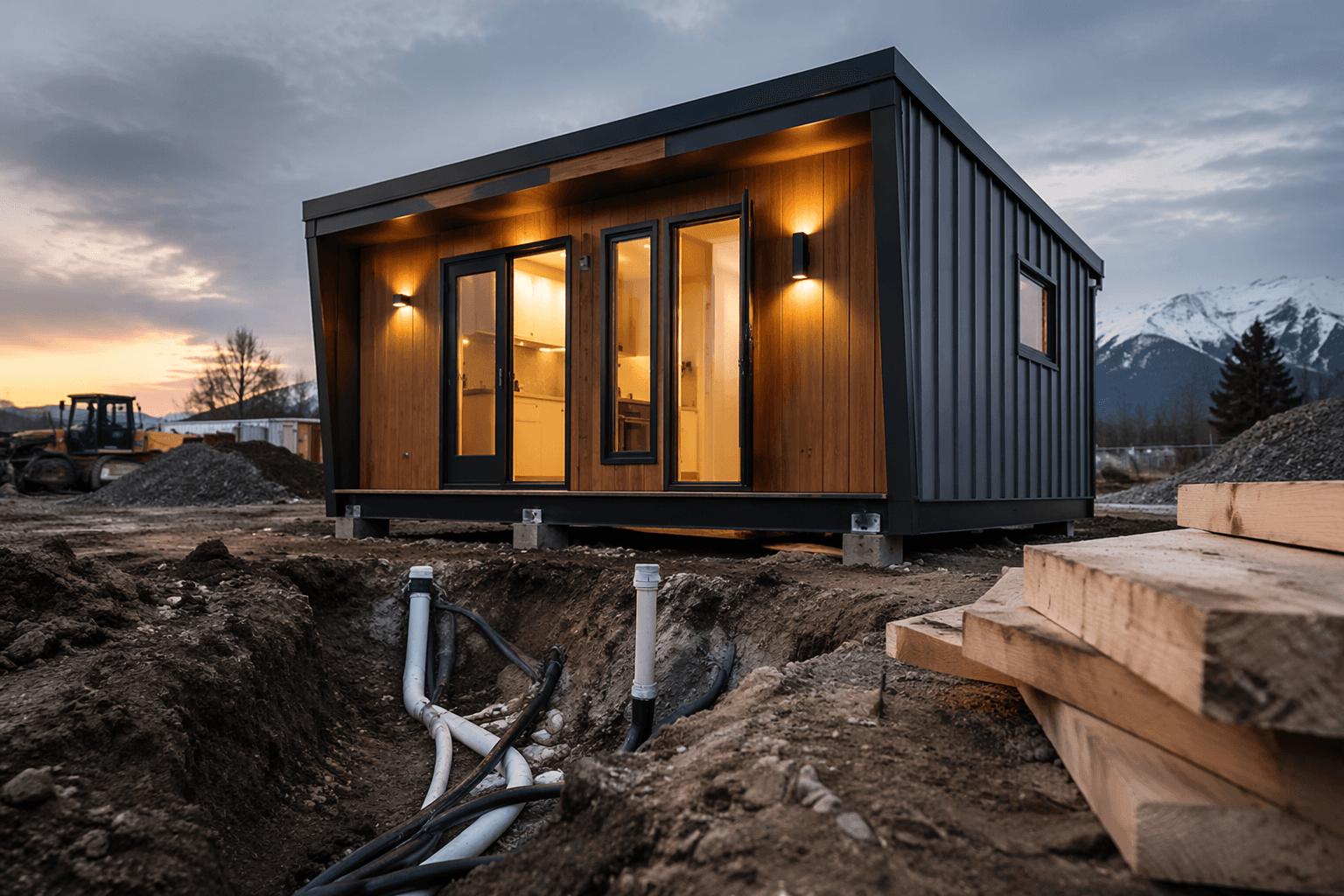
Planned as roughly 15 feet by 24 feet structures with covered porches, the six units will sit on multiple adjacent lots so the development can include shared green space and room for expansion. The landowner and developer on record is the Terre Haute Area Association of Realtors, and Indiana State University’s construction management program is slated to help build the homes, giving students hands-on experience while speeding construction labor and lowering costs.
For tiny-house builders and advocates, the variances matter for practical reasons. Dropping the minimum square footage to 360 and permitting a 15-foot width matches common tiny-house footprints, allowing designers to maximize liveable area with lofts, compact kitchens, and efficient mechanical layouts without costly custom waivers. For the community, six units targeted to homeless veterans represent a tactical step toward addressing local veteran homelessness with smaller, quicker-to-deploy housing options that fit into existing neighborhoods.
Regulatory specifics that were approved are significant because many municipalities require larger minimum sizes and widths that effectively ban tiny homes by design. By adjusting those rules in this case, Terre Haute’s Board of Zoning Appeals set a local precedent for flexibility on unit size and lot utilization. Using multiple adjacent lots preserves a neighborhood feel and creates space for a small park or future units, rather than squeezing structures onto single constrained parcels.
Indiana State University’s construction management involvement also brings practical community value: students gain real-project experience in framing, finishing, and code-compliant installation, and local contractors can coordinate with the program for workforce development. The Terre Haute Area Association of Realtors’ role as landowner-developer ties local housing market knowledge to the project’s development approvals and site planning.
Next steps include site preparation, permit issuance, and construction with ISU participation; those processes will determine timelines and occupancy dates. For residents and tiny-house supporters, this project is a test case in fitting compact, veteran-focused housing into midwestern zoning frameworks and shows how university-community partnerships can shrink costs and build capacity while delivering meaningful shelter.
This article was produced by Prism’s automated news system from verified source data, official records, and press releases, then run through automated quality and moderation checks before publishing. The system is built and supervised by the people who set the standards it runs under. Read our full AI policy.
Did this article answer your question?