Texas Woman, 70, Turns Retirement Savings Into All-Women Tiny Home Community
Robyn Yerian, 70, pulled $35,000 from her 401(k) to buy Texas prairie land, then spent $150K more building The Bird's Nest — now 11 women call it home, hundreds more are waiting.
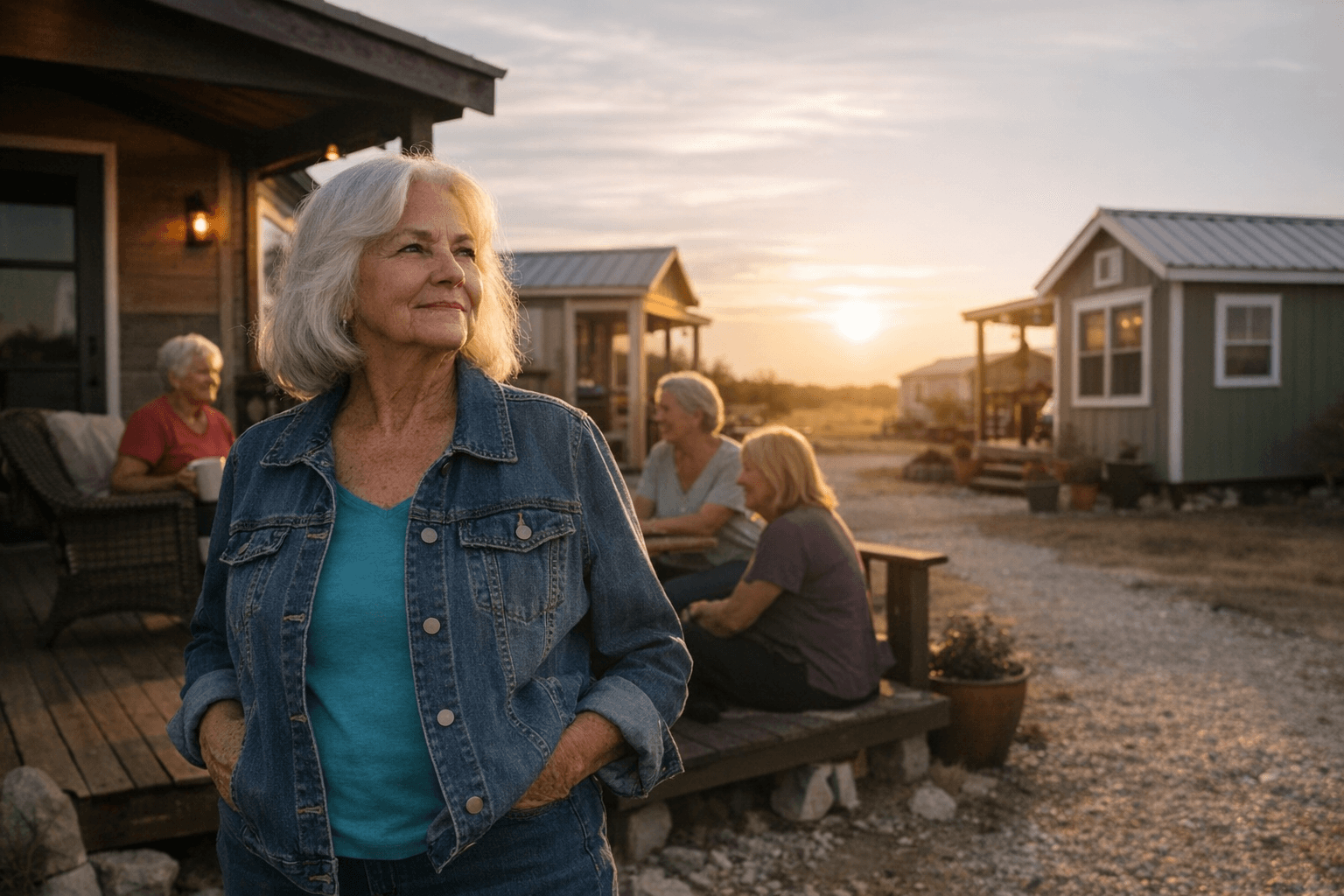
Robyn Yerian had a practical problem: she couldn't afford to retire in Dallas. Her solution became something far larger than a personal exit plan.
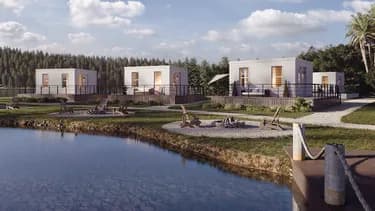
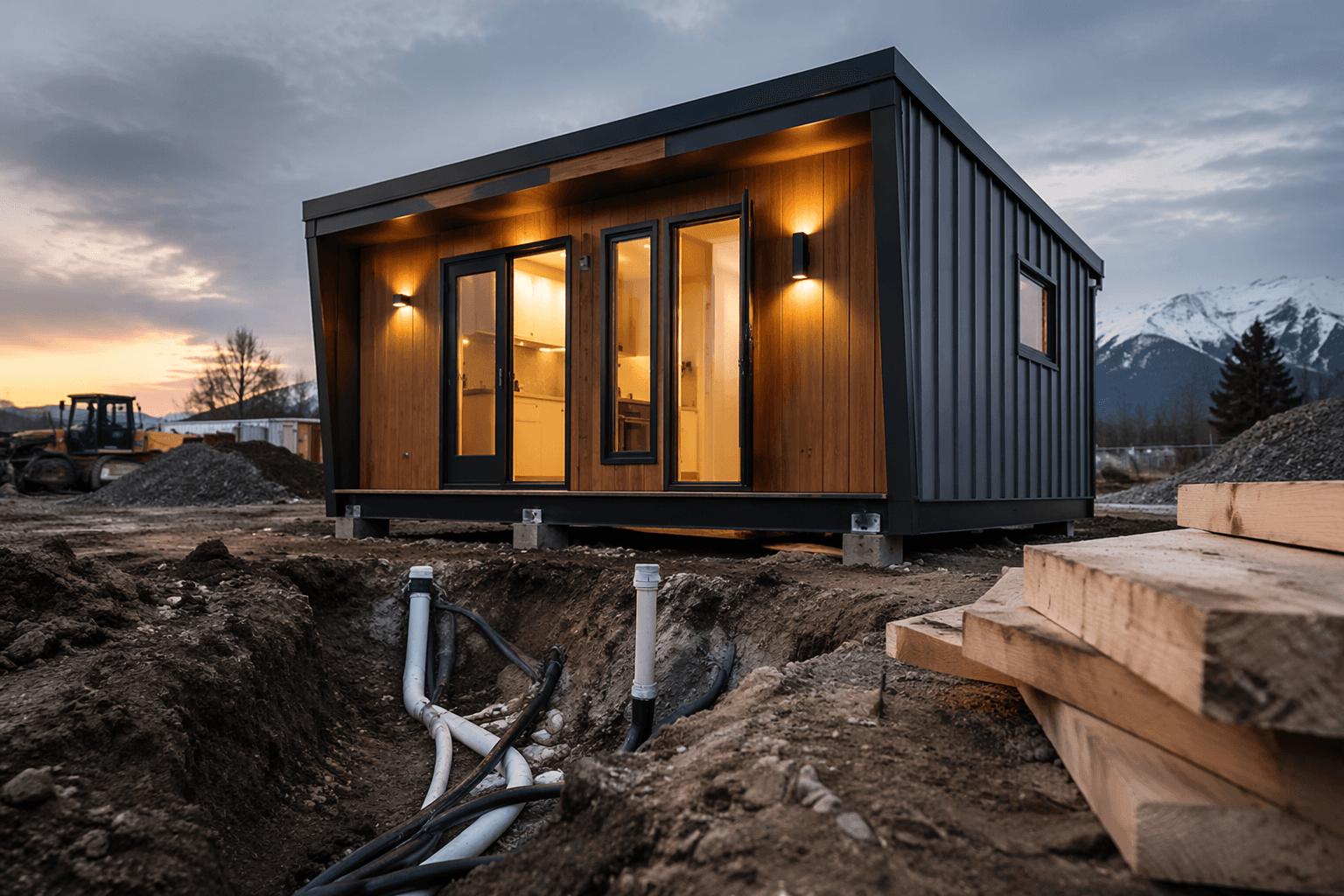
In 2022, the single empty-nester withdrew money from her 401(k) to purchase 5 acres of Texas prairie outside Cumby for $35,000, then poured an additional $150,000 into developing the land into a gated RV park with paved concrete pads, a connecting road, and electric and septic hookups. The result is The Bird's Nest, an all-women tiny home and RV community about an hour northeast of Dallas that now houses 11 residents, all in their 60s and 70s, with hundreds more on the waiting list.
The community wasn't designed to be women-only from the start. "It's all women. It just kind of evolved that way," Yerian told CBS Texas. The demographic math made it feel inevitable: "Eighty-five to 90% of the people living in tiny homes are retired women on a budget, on a fixed income. And so I knew the audience would be big."
Pads at The Bird's Nest rent for $450 a month and can accommodate either an RV or a tiny home, giving residents flexibility in how they set up their space. The gated, dog-friendly site includes at least one visually distinctive resident: a pink-and-polka-dot painted tiny home that has become something of a visual signature for the community.
Yerian's one stated rule for residents is to be kind and respectful, a standard she argues is entirely reasonable for the demographic. "People want to say women can't live together without drama. Well, maybe think about women that are retired. Why would we want drama at this point in our lives?"
The mutual support that has developed among residents goes beyond good neighborliness. Resident Huff described recovering from unexpected heart surgery and what the community's presence meant during that period. "We say you can't come in here needy, but if you get here and you need something, there's somebody there that's gonna help you out because we have that relationship, even if we disagree on some pretty major things," Huff said. Yerian frames that support structure as a core design principle: "We're going to do whatever we can to enable people to stay here as long as they possibly can."
The Bird's Nest sits within a broader wave of tiny home development across North Texas, where rising home prices and property tax burdens have made smaller, lower-cost living arrangements increasingly appealing. Communities like Liberty Tiny Village offer a different model, with movable homes classified as recreational vehicles, lot rent running $950 a month, and coverage that bundles water, sewer, trash, landscaping, and Wi-Fi. The structural differences between these projects illustrate how varied the tiny home community model can be, even within the same region.
For Yerian, the financial logic was straightforward from the beginning: develop the land to generate passive income while building the kind of retirement environment she actually wanted to live in. The demand that followed, hundreds of applicants for 11 pads, suggests she identified something the conventional housing market wasn't providing for older women on fixed incomes.
This article was produced by Prism’s automated news system from verified source data, official records, and press releases, then run through automated quality and moderation checks before publishing. The system is built and supervised by the people who set the standards it runs under. Read our full AI policy.
Did this article answer your question?